

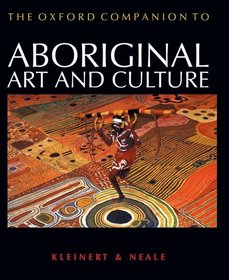
The Oxford Companion to Aboriginal Art and Culture
-
10% KEDVEZMÉNY?
- A kedvezmény csak az 'Értesítés a kedvenc témákról' hírlevelünk címzettjeinek rendeléseire érvényes.
- Kiadói listaár GBP 85.00
-
40 608 Ft (38 675 Ft + 5% áfa)
Az ár azért becsült, mert a rendelés pillanatában nem lehet pontosan tudni, hogy a beérkezéskor milyen lesz a forint árfolyama az adott termék eredeti devizájához képest. Ha a forint romlana, kissé többet, ha javulna, kissé kevesebbet kell majd fizetnie.
- Kedvezmény(ek) 10% (cc. 4 061 Ft off)
- Kedvezményes ár 36 548 Ft (34 808 Ft + 5% áfa)
Iratkozzon fel most és részesüljön kedvezőbb árainkból!
Feliratkozom
40 608 Ft

Beszerezhetőség
Bizonytalan a beszerezhetőség. Érdemes még egyszer keresni szerzővel és címmel. Ha nem talál másik, kapható kiadást, forduljon ügyfélszolgálatunkhoz!
Why don't you give exact delivery time?
A beszerzés időigényét az eddigi tapasztalatokra alapozva adjuk meg. Azért becsült, mert a terméket külföldről hozzuk be, így a kiadó kiszolgálásának pillanatnyi gyorsaságától is függ. A megadottnál gyorsabb és lassabb szállítás is elképzelhető, de mindent megteszünk, hogy Ön a lehető leghamarabb jusson hozzá a termékhez.
A termék adatai:
- Kiadó OUP Australia & New Zealand
- Megjelenés dátuma 2001. január 25.
- ISBN 9780195506495
- Kötéstípus Keménykötés
- Terjedelem804 oldal
- Méret 254x200x58 mm
- Súly 2138 g
- Nyelv angol
- Illusztrációk 40 colour plates, numerous black and white illustrations 0
Kategóriák
Hosszú leírás:
This unique publication will provide a wide-ranging and intellectually challenging reference to indigenous Australian art, covering documented archaeologically traditions, art styles of the early contact period and the nineteenth century, and the development of the remarkably diverse contemporary Aboriginal and Torres Strait Islander art practices that have attracted so much attention in recent years. The Companion will draw upon much original research on art and
culture in remote Aboriginal communities, and on the emergence of Aboriginal art in urban institutions, markets, and exhibitions. Academics, graduates, and general readers will find concise and authoritative analysis on specific topics and regional traditions, unavailable even in specialist databases.
Distinguished indigenous and non-indigenous scholars have been commissioned to write on individuals, artistic traditions, and historical shifts. The Companion will address more fully than any previous book important regional variations and historical developments in relation to colonial occupation and white Australian society over time. The Companion's primary emphasis is upon visual art, though survey entries on indigenous literature, theatre, and music among other areas provide a wider
context.
Essays, 'boxes' and 'voices' will be commissioned from well-established and emerging indigenous and non-indigenous writers. The presence of key historical figures such as Oodgeroo Noonucal and Kevin Gilbert will be heard through excerpts from previously published material or the use of archival sources made available for the first time.
The visual component in the Companion is not viewed as simply an adjunct to or illustration of the written text, but is seen to be vitally important to its rationale. Visuality has contributed to the growing critical acclaim and widespread popularity of Aboriginal and Torres Strait Islander art nationally and internationally. Therefore extensive illustrations in colour and in black and white will be included to not only offer a critical understanding of objects and events but to acknowledge
the key role visuality plays in Aboriginal and Torres Strait Islander culture. The 400 illustrations will be extensively captioned and some of the entries will be read as visual storyboards, equally as important as the essays. Complementing this focus on visuality, there will be additional reference
material: maps, diagrams, chronologies providing a comprehensive listing of the major exhibitions of Aboriginal and Torres Strait Islander art, locally and oveseas and guides to further reading.
the careful arrangement and linkage of information does what a Companion should; it gives the reader a sense of exploring a vibrant Aboriginal landscape in company with a series of highly articulate guides.

