

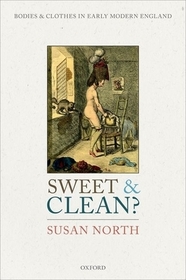
Sweet and Clean?
Bodies and Clothes in Early Modern England
-
10% KEDVEZMÉNY?
- A kedvezmény csak az 'Értesítés a kedvenc témákról' hírlevelünk címzettjeinek rendeléseire érvényes.
- Kiadói listaár GBP 117.50
-
53 051 Ft (50 525 Ft + 5% áfa)
Az ár azért becsült, mert a rendelés pillanatában nem lehet pontosan tudni, hogy a beérkezéskor milyen lesz a forint árfolyama az adott termék eredeti devizájához képest. Ha a forint romlana, kissé többet, ha javulna, kissé kevesebbet kell majd fizetnie.
- Kedvezmény(ek) 10% (kb. 5 305 Ft)
- Kedvezményes ár 47 746 Ft (45 473 Ft + 5% áfa)
Iratkozzon fel most és részesüljön kedvezőbb árainkból!
Feliratkozom
53 051 Ft

Beszerezhetőség
Megrendelésre a kiadó utánnyomja a könyvet. Rendelhető, de a szokásosnál kicsit lassabban érkezik meg.
Why don't you give exact delivery time?
A beszerzés időigényét az eddigi tapasztalatokra alapozva adjuk meg. Azért becsült, mert a terméket külföldről hozzuk be, így a kiadó kiszolgálásának pillanatnyi gyorsaságától is függ. A megadottnál gyorsabb és lassabb szállítás is elképzelhető, de mindent megteszünk, hogy Ön a lehető leghamarabb jusson hozzá a termékhez.
A termék adatai:
- Kiadó OUP Oxford
- Megjelenés dátuma 2020. március 26.
- ISBN 9780198856139
- Kötéstípus Keménykötés
- Terjedelem356 oldal
- Méret 242x164x26 mm
- Súly 752 g
- Nyelv angol
- Illusztrációk 46 figures/illustrations 0
Kategóriák
Rövid leírás:
How dirty were our ancestors, really? Academic history has persuaded us that everyone in the early modern era thought bathing was unhealthy, so they didn't do it. Sweet and Clean? challenges this view, using a range of fascinating evidence to tell a different story about the washing of bodies and scrubbing of clothes in early modern England.
TöbbHosszú leírás:
Sweet and Clean? challenges the widely held beliefs on bathing and cleanliness in the past. For over thirty years, the work of the French historian, George Vigarello, has been hugely influential on early modern European social history, describing an aversion to water and bathing, and the use of linen underwear as the sole cleaning agent for the body. However, these concepts do not apply to early modern England. Sweet and Clean? analyses etiquette and medical literature, revealing repeated recommendations to wash or bathe in order to clean the skin. Clean linen was essential for propriety but advice from medical experts was contradictory. Many doctors were convinced that it prevented the spread of contagious diseases, but others recommended flannel for undergarments, and a few thought changing a fever patient's linens was dangerous. The methodology of material culture helps determine if and how this advice was practiced. Evidence from inventories, household accounts and manuals, and surviving linen garments tracks underwear through its life-cycle of production, making, wearing, laundering, and final recycling. Although the material culture of washing bodies is much sparser, other sources, such as the Old Bailey records, paint a more accurate picture of cleanliness in early modern England than has been previously described. The contrasting analyses of linen and bodies reveal what histories material culture best serves. Finally, what of the diseases-plague, smallpox, and typhus-that cleanliness of body and clothes were thought to prevent? Did following early modern medical advice protect people from these illnesses?
This carefully researched and detailed book is important reading, and not just for those with specific interests in dress or textile history, or the history of washing and hygiene. It encourages historians and student historians with broader interests to think about everyday routines and actions in the past, and how we might seek to recover them despite minimal evidence.
Tartalomjegyzék:
Digging the dirt in the pursuit of cleanliness
PART I - Advice
Manners and health
Clothing and Disease
Clean Bodies
PART II - Practice
Wearing linens
Owning linens
Manufacturing linens
Sewing linens
Washing linen
More washing
Washing Bodies
Conclusion: Sweet and clean
Appendix

