

-
10% KEDVEZMÉNY?
- A kedvezmény csak az 'Értesítés a kedvenc témákról' hírlevelünk címzettjeinek rendeléseire érvényes.
- Kiadói listaár GBP 107.50
-
48 536 Ft (46 225 Ft + 5% áfa)
Az ár azért becsült, mert a rendelés pillanatában nem lehet pontosan tudni, hogy a beérkezéskor milyen lesz a forint árfolyama az adott termék eredeti devizájához képest. Ha a forint romlana, kissé többet, ha javulna, kissé kevesebbet kell majd fizetnie.
- Kedvezmény(ek) 10% (kb. 4 853 Ft)
- Kedvezményes ár 43 683 Ft (41 603 Ft + 5% áfa)
Iratkozzon fel most és részesüljön kedvezőbb árainkból!
Feliratkozom
48 536 Ft

Beszerezhetőség
Becsült beszerzési idő: A Prosperónál jelenleg nincsen raktáron, de a kiadónál igen. Beszerzés kb. 3-5 hét..
A Prosperónál jelenleg nincsen raktáron.
Why don't you give exact delivery time?
A beszerzés időigényét az eddigi tapasztalatokra alapozva adjuk meg. Azért becsült, mert a terméket külföldről hozzuk be, így a kiadó kiszolgálásának pillanatnyi gyorsaságától is függ. A megadottnál gyorsabb és lassabb szállítás is elképzelhető, de mindent megteszünk, hogy Ön a lehető leghamarabb jusson hozzá a termékhez.
A termék adatai:
- Kiadó OUP USA
- Megjelenés dátuma 2021. március 1.
- ISBN 9780197539576
- Kötéstípus Keménykötés
- Terjedelem320 oldal
- Méret 157x239x22 mm
- Súly 680 g
- Nyelv angol
- Illusztrációk 85 87
Kategóriák
Rövid leírás:
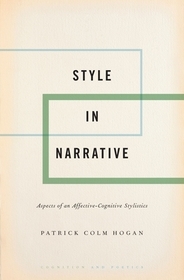
Drawing on recent psychological research, this book proposes a new and clear definition of "style" and provides a systematic theoretical account of style in relation to cognitive and affective science. Patrick Hogan uses rich examples from literature, film, and graphic fiction to explain the narrative, thematic, and emotional functions of style in narrative.
TöbbHosszú leírás:
Literary style is something many people talk about, but few could define. Yet it is crucial for our response to narrative art. Style can facilitate or obscure the events of a story or the motivations of a character, enhance the aesthetic appeal of a narrative or complicate its emotional impact, and even inflect the political or ethical implications of a work. It is precisely this complex operation of style that Patrick Colm Hogan explains in Style in Narrative.
Drawing on recent psychological research, this book proposes a new and clear definition of style and provides a systematic theoretical account of style in relation to cognitive and affective science. Hogan's definition stresses that style varies by both scope, or the range of text or texts that may share a style, and level, the components of an individual work that might involve a shared style. The book uses rich examples from literature, film, and graphic fiction, including analysis of Virginia Woolf's Mrs. Dalloway, Shakespeare's canon, William Faulkner's As I Lay Dying, and Art Spiegelman's Maus, as well as visual analysis of films by Robert Rodriguez, Deepa Mehta, Eric Rohmer, M.F.Husain, Yasujiro Ozu, and Chuan Lu. Through these studies Hogan identifies stylistic concerns common across mediums as well as the most consequential stylistic differences between them.
Bringing together three often separated mediums within a coherent framework, Style in Narrative makes an important contribution to and necessary intervention in the field of stylistics.
Throughout Hogan demonstrates the intellectual and practical value of stylistic analysis as a means of understanding, appreciating, and producing narratives. Recommended. Upper-division undergraduates through faculty and professionals.
Tartalomjegyzék:
Introduction. Cognitive and Affective Stylistics
Part One: Literature
I. Literary Style
II. Story Structure: Shakespeare and the Integration of Genres
III. Verbal Narration: Ambiguities of Faulkner's As I Lay Dying
Part Two: Film
IV. Film Style
V. Perceptual Interface and Painterly Cinema: Three Minutes of Robert Rodriguez's Sin City
VI. Emplotment: Ellipsis and Excess in Yasujiro Ozu's Postwar Films
VII. Visual Narration: Embodiment and Point of View in Lu Chuan's Nanjing! Nanjing!
Part Three: Graphic Narrative
VIII. Stylistic Choices in Graphic Narrative: Particularity and Its Functions
in Art Spiegelman's Maus
Afterword. Keep Stylistics Great: A Note on Politics and the Analysis of Style
Works Cited

