

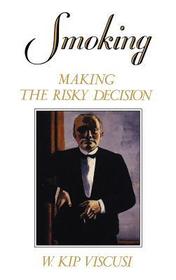
Smoking
Making the Risky Decision
-
10% KEDVEZMÉNY?
- A kedvezmény csak az 'Értesítés a kedvenc témákról' hírlevelünk címzettjeinek rendeléseire érvényes.
- Kiadói listaár GBP 48.49
-
23 166 Ft (22 062 Ft + 5% áfa)
Az ár azért becsült, mert a rendelés pillanatában nem lehet pontosan tudni, hogy a beérkezéskor milyen lesz a forint árfolyama az adott termék eredeti devizájához képest. Ha a forint romlana, kissé többet, ha javulna, kissé kevesebbet kell majd fizetnie.
- Kedvezmény(ek) 10% (cc. 2 317 Ft off)
- Kedvezményes ár 20 849 Ft (19 856 Ft + 5% áfa)
Iratkozzon fel most és részesüljön kedvezőbb árainkból!
Feliratkozom
23 166 Ft

Beszerezhetőség
Megrendelésre a kiadó utánnyomja a könyvet. Rendelhető, de a szokásosnál kicsit lassabban érkezik meg.
Why don't you give exact delivery time?
A beszerzés időigényét az eddigi tapasztalatokra alapozva adjuk meg. Azért becsült, mert a terméket külföldről hozzuk be, így a kiadó kiszolgálásának pillanatnyi gyorsaságától is függ. A megadottnál gyorsabb és lassabb szállítás is elképzelhető, de mindent megteszünk, hogy Ön a lehető leghamarabb jusson hozzá a termékhez.
A termék adatai:
- Kiadó OUP USA
- Megjelenés dátuma 1993. február 18.
- ISBN 9780195074864
- Kötéstípus Keménykötés
- Terjedelem184 oldal
- Méret 241x165x22 mm
- Súly 450 g
- Nyelv angol
- Illusztrációk line illustrations, tables 0
Kategóriák
Hosszú leírás:
This is a book on smoking that uses rigorous empirical data to explore in detail the character of the tradeoffs that people make in choosing whether to smoke or not to smoke. It is, therefore, not strictly about the hazards of smoking but about how people's perceptions of the risk of smoking affects their smoking behaviour.
Some of the interesting and potentially controversial conclusions include: 1) People overestimate the risk of lung cancer compared to the actual incidence of the disease; 2) if people had an accurate perception of the risk of lung cancer national smoking rates would rise by 8%; 3) excise taxes on cigarettes increase people's risk perceptions and decrease smoking rates; 4) people who smoke are more likely to accept work in hazardous professions, and require less extra compensation for hazardous work than non-smokers; 5) young people, who are making the decision whether to smoke have a higher perception of the risks of smoking than older people.
`thought provoking book that will be of interest to researchers and policy makers concerned with smoking and public health'
British Medical Journal

