

-
10% KEDVEZMÉNY?
- A kedvezmény csak az 'Értesítés a kedvenc témákról' hírlevelünk címzettjeinek rendeléseire érvényes.
- Kiadói listaár GBP 9.99
-
4 510 Ft (4 295 Ft + 5% áfa)
Az ár azért becsült, mert a rendelés pillanatában nem lehet pontosan tudni, hogy a beérkezéskor milyen lesz a forint árfolyama az adott termék eredeti devizájához képest. Ha a forint romlana, kissé többet, ha javulna, kissé kevesebbet kell majd fizetnie.
- Kedvezmény(ek) 10% (kb. 451 Ft)
- Kedvezményes ár 4 059 Ft (3 866 Ft + 5% áfa)
Iratkozzon fel most és részesüljön kedvezőbb árainkból!
Feliratkozom
4 510 Ft

Beszerezhetőség
Becsült beszerzési idő: A Prosperónál jelenleg nincsen raktáron, de a kiadónál igen. Beszerzés kb. 3-5 hét..
A Prosperónál jelenleg nincsen raktáron.
Why don't you give exact delivery time?
A beszerzés időigényét az eddigi tapasztalatokra alapozva adjuk meg. Azért becsült, mert a terméket külföldről hozzuk be, így a kiadó kiszolgálásának pillanatnyi gyorsaságától is függ. A megadottnál gyorsabb és lassabb szállítás is elképzelhető, de mindent megteszünk, hogy Ön a lehető leghamarabb jusson hozzá a termékhez.
A termék adatai:
- Kiadó OUP Oxford
- Megjelenés dátuma 2018. augusztus 23.
- ISBN 9780198778752
- Kötéstípus Puhakötés
- Terjedelem160 oldal
- Méret 176x113x10 mm
- Súly 124 g
- Nyelv angol
- Illusztrációk A number of black and white images 0
Kategóriák
Rövid leírás:
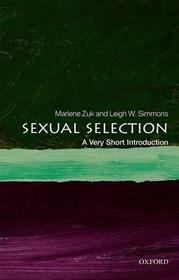
Sexual selection, Darwin's other big idea, is the selection for particular traits and behaviours that results from (usually) female choice and male competition. It can produce flamboyant features, such as the peacock's tail, which would seem to be detrimental to survival. This book explores our understanding of how sexual selection works.
TöbbHosszú leírás:
What is responsible for the differences between the sexes in so many animals, from the brilliant plumage of birds of paradise to the antlers on deer? And why are the traits that distinguish the sexes sometimes apparently detrimental to survival? Even when they look more or less alike, why do males and females sometimes behave differently? Questions like these have intrigued scientists and the public alike for many years, and new discoveries are showing us both how wildly variable the natural world is, and how some basic principles can help explain much of that variation. Like natural selection, sexual selection is a process that results from differential representation of genes in successive generations. Under sexual selection, however, the crucial characteristics that determine whether an individual reproduces depend on sexual competition, rather than survival ability.
This Very Short Introduction considers the history of our understanding of sexual selection, from Darwin's key insights to the modern day. Considering the investment animals place on reproduction, variation in mating systems, sexual conflict, and the origin of sexual dimorphism, Marlene Zuk and Leigh Simmons discuss questions such as whether females can really choose between males on aesthetic grounds, and how sexual conflict is resolved in different species. They conclude with a consideration of the thorny question of how, and even if, sexual selection theory applies to humans.
ABOUT THE SERIES: The Very Short Introductions series from Oxford University Press contains hundreds of titles in almost every subject area. These pocket-sized books are the perfect way to get ahead in a new subject quickly. Our expert authors combine facts, analysis, perspective, new ideas, and enthusiasm to make interesting and challenging topics highly readable.
[A] delightful book ... informative and insightful ... Sexual Selection is thin and relatively cheap, but it's packed with more information than other books four times the size and price.
Tartalomjegyzék:
Darwin's Other Big Idea
Choosing from the field of competitors
Sex roles and stereotypes
Sexual selection after mating
Sexual conflict
Mating systems, or who goes with whom, and for how long
How Sex Makes Species Survive
Further Reading
Index

