
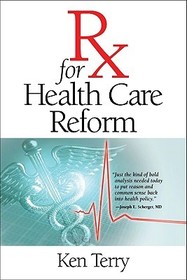
Rx for Health Care Reform
-
10% KEDVEZMÉNY?
- A kedvezmény csak az 'Értesítés a kedvenc témákról' hírlevelünk címzettjeinek rendeléseire érvényes.
- Kiadói listaár GBP 32.00
-
15 288 Ft (14 560 Ft + 5% áfa)
Az ár azért becsült, mert a rendelés pillanatában nem lehet pontosan tudni, hogy a beérkezéskor milyen lesz a forint árfolyama az adott termék eredeti devizájához képest. Ha a forint romlana, kissé többet, ha javulna, kissé kevesebbet kell majd fizetnie.
- Kedvezmény(ek) 10% (cc. 1 529 Ft off)
- Kedvezményes ár 13 759 Ft (13 104 Ft + 5% áfa)
Iratkozzon fel most és részesüljön kedvezőbb árainkból!
Feliratkozom
15 288 Ft
Beszerezhetőség
Még nem jelent meg, de rendelhető. A megjelenéstől számított néhány héten belül megérkezik.
Why don't you give exact delivery time?
A beszerzés időigényét az eddigi tapasztalatokra alapozva adjuk meg. Azért becsült, mert a terméket külföldről hozzuk be, így a kiadó kiszolgálásának pillanatnyi gyorsaságától is függ. A megadottnál gyorsabb és lassabb szállítás is elképzelhető, de mindent megteszünk, hogy Ön a lehető leghamarabb jusson hozzá a termékhez.
A termék adatai:
- Kiadás sorszáma 1
- Kiadó University of Chicago Press
- Megjelenés dátuma 2026. március 25.
- Kötetek száma Paperback
- ISBN 9780826515711
- Kötéstípus Puhakötés
- Terjedelem344 oldal
- Méret 228x152 mm
- Súly 333 g
- Nyelv angol
- Illusztrációk index 700
Kategóriák
Rövid leírás:
Analyzes the state of health care reform and finds it wanting. Instead of tackling the core problems in our failing system, this work argues, politicians, insurance executives, and health care leaders have embraced ideologically driven initiatives that pursue impractical objectives or will take too long to bear fruit.
TöbbHosszú leírás:
In this readable and well-researched book, Ken Terry analyzes the current state of health care reform and finds it wanting. Instead of tackling the core problems in our failing system, he argues, politicians, insurance executives, and health care leaders have embraced ideologically driven initiatives that pursue impractical objectives or will take too long to bear fruit. Among these are such widely hailed trends as disease management, pay for performance, cost and price ""transparency,"" consumer-directed care, and health information technology, none of which will reverse the rising tide of health spending. What is creating this nightmare scenario, according to Terry, is the sheer profitability of the health care industry. Insurers, physicians, hospitals, pharmaceutical companies, and device manufacturers are all striving to maximize their profits, and there is no effective competition or regulation to restrain them. Only a complete overhaul of our system for financing and delivering health care can get us out of this mess, the author maintains. In the second half of his book, he presents a bold vision of how to do this: first, he says, all primary care physicians should join group practices that are large enough to take financial responsibility for professional services. And second, competition among those physician groups, based on cost and quality, should replace competition among health plans. There should be only one government-regulated insurer per region, he says, and it should have no role in managing care. The book is introduced by Paul B. Ginsburg, President of the Center for Studying Health System Change.
Több