

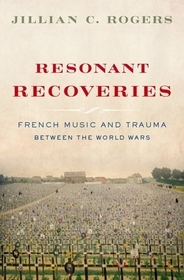
Resonant Recoveries
French Music and Trauma Between the World Wars
-
10% KEDVEZMÉNY?
- A kedvezmény csak az 'Értesítés a kedvenc témákról' hírlevelünk címzettjeinek rendeléseire érvényes.
- Kiadói listaár GBP 41.49
-
18 732 Ft (17 840 Ft + 5% áfa)
Az ár azért becsült, mert a rendelés pillanatában nem lehet pontosan tudni, hogy a beérkezéskor milyen lesz a forint árfolyama az adott termék eredeti devizájához képest. Ha a forint romlana, kissé többet, ha javulna, kissé kevesebbet kell majd fizetnie.
- Kedvezmény(ek) 10% (kb. 1 873 Ft)
- Kedvezményes ár 16 859 Ft (16 056 Ft + 5% áfa)
Iratkozzon fel most és részesüljön kedvezőbb árainkból!
Feliratkozom
18 732 Ft

Beszerezhetőség
Becsült beszerzési idő: A Prosperónál jelenleg nincsen raktáron, de a kiadónál igen. Beszerzés kb. 3-5 hét..
A Prosperónál jelenleg nincsen raktáron.
Why don't you give exact delivery time?
A beszerzés időigényét az eddigi tapasztalatokra alapozva adjuk meg. Azért becsült, mert a terméket külföldről hozzuk be, így a kiadó kiszolgálásának pillanatnyi gyorsaságától is függ. A megadottnál gyorsabb és lassabb szállítás is elképzelhető, de mindent megteszünk, hogy Ön a lehető leghamarabb jusson hozzá a termékhez.
A termék adatai:
- Kiadó OUP USA
- Megjelenés dátuma 2021. március 17.
- ISBN 9780190658298
- Kötéstípus Keménykötés
- Terjedelem400 oldal
- Méret 157x236x40 mm
- Súly 699 g
- Nyelv angol
- Illusztrációk 5 illustrations and 15 music samples 71
Kategóriák
Rövid leírás:
In Resonant Recoveries, author Jillian C. Rogers shows what a profound effect World War I had on French musical life as musicians and their audiences turned to music as a consolatory practice to help them mourn their losses and heal their wounds.
TöbbHosszú leírás:
Coping with trauma and the losses of World War I was a central concern for French musicians in the interwar period. Almost all of them were deeply affected by the war as they fought in the trenches, worked in military hospitals, or mourned a friend or relative who had been wounded, killed, or taken prisoner. In Resonant Recoveries, author Jillian C. Rogers argues that French modernist composers processed this experience of unprecedented violence by turning their musical activities into locations for managing and performing trauma.
Through analyses of archival materials, French medical, philosophical, and literary texts, and the music produced between the wars, Rogers frames World War I as a pivotal moment in the history of music therapy. When musicians and their audiences used music to remember lost loved ones, perform grief, create healing bonds of friendship, and find consolation in soothing sonic vibrations and rhythmic bodily movements, they reconfigured music into an embodied means of consolation--a healer of wounded minds and bodies. This in-depth account of the profound impact that postwar trauma had on French musical life makes a powerful case for the importance of addressing trauma, mourning, and people's emotional lives in music scholarship.
This is an open access title available under the terms of a CC BY-NC-ND 4.0 licence. It is free to read at Oxford Scholarship Online and offered as a free PDF download from OUP and selected open access locations.
Highly recommended.
Tartalomjegyzék:
List of Figures
List of Tables
List of Musical Examples
List of Abbreviations
Acknowledgements
Preface
Introduction: "La Plus Grande Consolatrice": Music as a Corporeal Technology of Consolation in Interwar France
Chapter 1: Music Making as Emotional Care: Negotiating Trauma, Expressional Norms, and Politics in Wartime France
Chapter 2: Embodying Sonic Resonance As/After Trauma: Vibration, Music, and Medicine
Chapter 3: Soothing Movements: The Consolatory Potential of Musique D--pouill--e's Rhythm and Repetition
Chapter 4: In Search of a Consolatory Past: Grief and Embodied Musical Memory
Chapter 5: Rire as Release and Rapport: Pleasure and Laughter in French Interwar Musical Theater
Conclusion: Touched by Music Making: Intimacy and Love in the Wake of Trauma
Bibliography
Index

