

-
10% KEDVEZMÉNY?
- A kedvezmény csak az 'Értesítés a kedvenc témákról' hírlevelünk címzettjeinek rendeléseire érvényes.
- Kiadói listaár GBP 65.00
-
29 347 Ft (27 950 Ft + 5% áfa)
Az ár azért becsült, mert a rendelés pillanatában nem lehet pontosan tudni, hogy a beérkezéskor milyen lesz a forint árfolyama az adott termék eredeti devizájához képest. Ha a forint romlana, kissé többet, ha javulna, kissé kevesebbet kell majd fizetnie.
- Kedvezmény(ek) 10% (kb. 2 934 Ft)
- Kedvezményes ár 26 413 Ft (25 155 Ft + 5% áfa)
Iratkozzon fel most és részesüljön kedvezőbb árainkból!
Feliratkozom
29 347 Ft

Beszerezhetőség
Megrendelésre a kiadó utánnyomja a könyvet. Rendelhető, de a szokásosnál kicsit lassabban érkezik meg.
Why don't you give exact delivery time?
A beszerzés időigényét az eddigi tapasztalatokra alapozva adjuk meg. Azért becsült, mert a terméket külföldről hozzuk be, így a kiadó kiszolgálásának pillanatnyi gyorsaságától is függ. A megadottnál gyorsabb és lassabb szállítás is elképzelhető, de mindent megteszünk, hogy Ön a lehető leghamarabb jusson hozzá a termékhez.
A termék adatai:
- Kiadó Clarendon Press
- Megjelenés dátuma 1988. március 17.
- ISBN 9780198229377
- Kötéstípus Keménykötés
- Terjedelem310 oldal
- Méret 224x146x24 mm
- Súly 538 g
- Nyelv angol
- Illusztrációk figures, tables, maps 0
Kategóriák
Hosszú leírás:
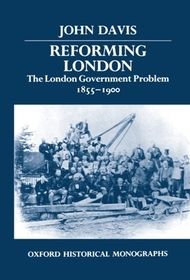
This book analyses the process of reform that led to the formation of the London County Council; the forces that shaped it; and the role played by local and national politicians in its establishment.
In the middle of the nineteenth century London was the world's largest city, and the Victorians were the first to face a task which has become familiar to other generations and other advanced societies - how to provide for its government. The divergent political and material interests within a metropolis have to be reconciled; where previously separate communities are joined together by the spread of the city, traditional local rivalries are likely to be deepened by the growing differentiation of rich and poor areas, and to take political shape. This fascinating account of the economic, social, and administrative complexities of Victorian London will appeal to all those interested in the intractable `metropolitan problem.'
Dr Davis' contribution lies in his analysis of London's particular social and political characteristics and their affect on the process of reform during the nineteenth century. His conclusions on the role of political and other loyalties and interests add a new and important dimension to the debate on the process of London government reform.

