

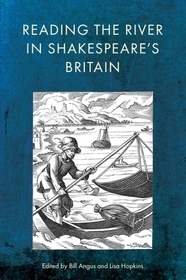
Reading the River in Shakespeare’s Britain
-
8% KEDVEZMÉNY?
- A kedvezmény csak az 'Értesítés a kedvenc témákról' hírlevelünk címzettjeinek rendeléseire érvényes.
- Kiadói listaár GBP 24.99
-
11 938 Ft (11 370 Ft + 5% áfa)
Az ár azért becsült, mert a rendelés pillanatában nem lehet pontosan tudni, hogy a beérkezéskor milyen lesz a forint árfolyama az adott termék eredeti devizájához képest. Ha a forint romlana, kissé többet, ha javulna, kissé kevesebbet kell majd fizetnie.
- Kedvezmény(ek) 8% (cc. 955 Ft off)
- Kedvezményes ár 10 983 Ft (10 460 Ft + 5% áfa)
Iratkozzon fel most és részesüljön kedvezőbb árainkból!
Feliratkozom
11 938 Ft

Beszerezhetőség
Még nem jelent meg, de rendelhető. A megjelenéstől számított néhány héten belül megérkezik.
Why don't you give exact delivery time?
A beszerzés időigényét az eddigi tapasztalatokra alapozva adjuk meg. Azért becsült, mert a terméket külföldről hozzuk be, így a kiadó kiszolgálásának pillanatnyi gyorsaságától is függ. A megadottnál gyorsabb és lassabb szállítás is elképzelhető, de mindent megteszünk, hogy Ön a lehető leghamarabb jusson hozzá a termékhez.
A termék adatai:
- Kiadó Edinburgh University Press
- Megjelenés dátuma 2026. február 28.
- Kötetek száma Print PDF
- ISBN 9781399534499
- Kötéstípus Puhakötés
- Terjedelem296 oldal
- Méret 234x156 mm
- Nyelv angol
- Illusztrációk 12 black and white illustrations 700
Kategóriák
Rövid leírás:
Explores how perceptions of rivers shaped identity and culture in Shakespeare’s Britain
TöbbHosszú leírás:
In Shakespeare’s Britain rivers were not only a crucial form of travel and important natural resources which sustained communities and provided employment but were also sites to which myths and memories accrued and which could be used to figure religious ideas of cleansing and the waters of life. Pageants were performed on them, legends grew up about their names and led to plays and poems being written about personified river gods and goddesses, and stories were told of historic battles which had been fought on their banks. These essays explore the cultural and literary geography of rivers in the early modern period and the ways in which they shaped the lives and identities of those who lived near them. By charting changes (both manmade and natural) to the way in which rivers ebb and flow the book also reminds us of the urgency of the climate crisis.
TöbbTartalomjegyzék:
Acknowledgements
Introduction: Theologies, Economies and Ecologies of the River, Bill Angus and Lisa Hopkins
Part I: Conceptualising the River
1. Rivers of Milk, Honey, Tears, and Treasures: Mapping Salvation in Early Modern English Devotional Poetry, Brice Peterson
2. ‘Plenteous rivers’: Waterways as Resources, Threats and the Heart of the Community in Early Modern England, Daniel Gettings
3. Rivers and Contested Territories in the Works of Shakespeare, Rebecca Welshman
Part II: Writing the River
4. The Navigation of the Trent and William Sampson’s The Vow-Breaker (1636), Lisa Hopkins
5. Ship of Fools and Slow Boat to Hell: the Literary Voyages of the Gravesend Barge, Lindsay Ann Reid
6. Rivers, Monstrosity and National Identity in Izaak Walton’s The Compleat Angler, Melissa Caldwell
Part III: Rivers and Money
7. ‘Your Innes and Alehouses are Brookes and Rivers’: John Taylor and Free-flowing Rivers of Ale, Bill Angus
8. The Rose and the Riverside, Cecilia Lindskog Whiteley
9. ‘As Water mill, made rags and shreds to sweate’: Fluvial Bodies and Fluminous Geographies, Jemima Matthews
Part IV: Ecocritical Approaches
10. ‘Insatiable [Gourmandize] thus all things doth devour’: Reading the Threat of Human Greed along the Rivers of Early Modern England, Emily J. Naish
11. Powtes, Protest and (Eco)politics in the English Fens, Esther Water
12. Shakespeare’s Waterways: Premonitions of an Environmental Collapse, Sophie Chiari
Conclusions: Rivers of life and death, Lisa Hopkins and Bill Angus
Notes on Contributors

