

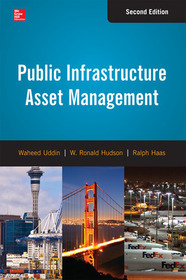
Public Infrastructure Asset Management, Second Edition
Sorozatcím: P/L CUSTOM SCORING SURVEY;
-
10% KEDVEZMÉNY?
- A kedvezmény csak az 'Értesítés a kedvenc témákról' hírlevelünk címzettjeinek rendeléseire érvényes.
- Kiadói listaár GBP 105.99
-
50 636 Ft (48 225 Ft + 5% áfa)
Az ár azért becsült, mert a rendelés pillanatában nem lehet pontosan tudni, hogy a beérkezéskor milyen lesz a forint árfolyama az adott termék eredeti devizájához képest. Ha a forint romlana, kissé többet, ha javulna, kissé kevesebbet kell majd fizetnie.
- Kedvezmény(ek) 10% (cc. 5 064 Ft off)
- Kedvezményes ár 45 573 Ft (43 403 Ft + 5% áfa)
Iratkozzon fel most és részesüljön kedvezőbb árainkból!
Feliratkozom
50 636 Ft

Beszerezhetőség
Becsült beszerzési idő: A Prosperónál jelenleg nincsen raktáron, de a kiadónál igen. Beszerzés kb. 3-5 hét..
A Prosperónál jelenleg nincsen raktáron.
Why don't you give exact delivery time?
A beszerzés időigényét az eddigi tapasztalatokra alapozva adjuk meg. Azért becsült, mert a terméket külföldről hozzuk be, így a kiadó kiszolgálásának pillanatnyi gyorsaságától is függ. A megadottnál gyorsabb és lassabb szállítás is elképzelhető, de mindent megteszünk, hogy Ön a lehető leghamarabb jusson hozzá a termékhez.
A termék adatai:
- Kiadás sorszáma 2
- Kiadó McGraw Hill
- Megjelenés dátuma 2013. szeptember 16.
- ISBN 9780071820110
- Kötéstípus Keménykötés
- Terjedelem544 oldal
- Méret 233x172x33 mm
- Súly 866 g
- Nyelv angol 0
Kategóriák
Rövid leírás:
This comprehensive resource provides thorough coverage of the tools and techniques used in planning, building, maintaining, and fixing civil infrastructure.
TöbbHosszú leírás:
Publisher's Note: Products purchased from Third Party sellers are not guaranteed by the publisher for quality, authenticity, or access to any online entitlements included with the product.
The Latest Tools and Techniques for Managing Infrastructure Assets
Fully updated throughout, this practical resource provides a proven, cost-effective infrastructureasset management framework that integrates planning, design, construction, maintenance, rehabilitation, and renovation. Public Infrastructure Asset Management,Second Edition, describes the most current methodologies for effectively managing roads, bridges, airports, utility services, water and waste facilities, parks, public buildings, and sports complexes.
This comprehensive guide covers information management and decision support systems, including proprietary solutions and new technological developments such ascloud storage. The book discusses total quality management, economics, life-cycle analysis, and maintenance, rehabilitation, and reconstruction programming. Up-to-date examples and real-world case studies illustrate the practical applications of the concepts presented in this thoroughly revised reference.
This new edition features:
- Planning, needs assessment, and performance indicators
- Database management, data needs, and analysis
- Inventory, historical, and environmental data
- In-service monitoring and evaluation data
- Performance modeling and failure analysis
- Design for infrastructure service life
- Construction
- Maintenance, rehabilitation, and reconstruction strategies, policies, and treatment alternatives
- Dealing with new or alternate concepts
- Prioritization, optimization, and work programs
- Integrated infrastructure asset management systems
- Visual IMS: an illustrative infrastructure management system and applications
- Available asset management system and commercial off-the-shelf providers
- Benefits of implementing an asset management system
- Sustainability, environmental stewardship, and asset management
- Future directions for infrastructure asset management
Publisher's Note: Products purchased from Third Party sellers are not guaranteed by the publisher for quality, authenticity, or access to any online entitlements included with the product.
The Latest Tools and Techniques for Managing Infrastructure Assets
Fully updated throughout, this practical resource provides a proven, cost-effective infrastructureasset management framework that integrates planning, design, construction, maintenance, rehabilitation, and renovation. Public Infrastructure Asset Management,Second Edition, describes the most current methodologies for effectively managing roads, bridges, airports, utility services, water and waste facilities, parks, public buildings, and sports complexes.
This comprehensive guide covers information management and decision support systems, including proprietary solutions and new technological developments such ascloud storage. The book discusses total quality management, economics, life-cycle analysis, and maintenance, rehabilitation, and reconstruction programming. Up-to-date examples and real-world case studies illustrate the practical applications of the concepts presented in this thoroughly revised reference.
This new edition features:
- Planning, needs assessment, and performance indicators
- Database management, data needs, and analysis
- Inventory, historical, and environmental data
- In-service monitoring and evaluation data
- Performance modeling and failure analysis
- Design for infrastructure service life
- Construction
- Maintenance, rehabilitation, and reconstruction strategies, policies, and treatment alternatives
- Dealing with new or alternate concepts
- Prioritization, optimization, and work programs
- Integrated infrastructure asset management systems
- Visual IMS: an illustrative infrastructure management system and applications
- Available asset management system and commercial off-the-shelf providers
- Benefits of implementing an asset management system
- Sustainability, environmental stewardship, and asset management
- Future directions for infrastructure asset management
Tartalomjegyzék:
Foreword
Preface to the Second Edition
Preface to the First Edition
Part 1 The Challenge of Managing Infrastructure
1 The Big Picture
1.1 Infrastructure and Society
1.2 Infrastructure Definition
1.3 Historical Overview of Infrastructure Development
1.4 Infrastructure Assets
1.5 Life-Cycle Analysis in Planning and Design
1.6 Magnitude of Infrastructure “Crisis”
1.7 Maintenance, Preservation, and Innovation Challenges
1.8 Infrastructure Asset Management—An Integrated Approach
1.9 References
2 Framework for Infrastructure Asset Management
2.1 Background
2.2 Key Issues for Infrastructure Asset Management
2.3 Application of Systems Methodology
2.4 Development of an Infrastructure Asset Management System
2.5 Life-Cycle Analysis Concept
2.6 References
3 Planning, Needs Assessment, and Performance Indicators
3.1 Infrastructure Planning
3.2 Examples of Planning Studies
3.3 Life-Cycle Management
3.4 Infrastructure Service Life
3.5 Infrastructure Needs Assessment
3.6 Infrastructure Performance
3.7 References
Part 2 Information Management and Decision Support Systems
4 Database Management, Data Needs, Analysis
4.1 Overview of Information Management
4.2 Database Development and Management
4.3 Data Needs
4.4 Analysis and Modeling Techniques
4.5 Database Security
4.6 Data-Quality Control and Quality-Assurance Issues
4.7 References
5 Inventory, Historical, and Environmental Data
5.1 Infrastructure Asset Management Data Needs
5.2 Network Partitioning and Inventory Data
5.3 Technologies for Inventory and Historic Data Collection
5.4 Inventory Data Collection and Processing
5.5 Institutional Issues
5.6 Examples of Inventory-Data Systems for Transportation Assets
5.7 Example of Transportation-Safety Assets
5.8 Example of Inventory Data for Buildings
5.9 References
6 In-Service Monitoring and Evaluation Data
6.1 In-Service Evaluation Data Needs
6.2 In-Service Evaluation of Physical Assets
6.3 Technologies for In-Service Monitoring and Evaluation
6.4 Inspection, Photographic, and Optical Evaluation
6.5 Nondestructive and Noncontact Structural Evaluation
6.6 Combined Evaluation Data
6.7 Institutional Issues
6.8 References
7 Uses of Monitoring Data and Examples of In-Service Evaluation
7.1 In-Service Evaluation of Road and Airport Pavements
7.2 In-Service Evaluation of Railroad Tracks
7.3 In-Service Evaluation of Underground Utilities
7.4 Evaluation of Bridges
7.5 Evaluation of Water Pipelines
7.6 Evaluation of Gas Pipelines
7.7 Evaluation of Buildings
7.8 Landuse Evaluation for Heat-Island Effects and Flood Risk Assessment
7.9 References
8 Performance Modeling and Failure Analysis
8.1 Performance Evaluation
8.2 Performance Modeling
8.3 Failure Analysis
8.4 Summary
8.5 References
Part 3 Concepts of Total Quality Management
9 Design for Infrastructure Service Life
9.1 Introduction
9.2 Design Objectives and Constraints
9.3 Design Framework and Components
9.4 Design Effectiveness
9.5 Value-Engineering Applications in Design
9.6 Summary
9.7 References
10 Construction
10.1 Introduction
10.2 Construction as Related to Other Phases of Management
10.3 Constructability
10.4 Construction Quality Control and Quality Assurance
10.5 New Technologies in Construction Management
10.6 Summary
10.7 References
11 Maintenance, Rehabilitation, and Reconstruction Strategies, Including Operations
11.1 Introduction
11.2 Definitions
11.3 Maintainability
11.4 Trade-Offs among Design Objectives in Relation to Maintenance
11.5 Rehabilitation
11.6 Reliability-Centered Maintenance
11.7 Maintenance Management
11.8 Operations as a Part of Infrastructure Management
11.9 References
12 Dealing with New or Alternate Concepts
12.1 Introduction
12.2 Examples of New Material Usage
12.3 Handling Diminishing Resources
12.4 Considering New Methods and Materials for Infrastructure Use
12.5 Dealing with Shrinking Natural-Aggregate Sources
12.6 Energy-Related Issues
12.7 Summary
12.8 References
Part 4 Economics, Life-Cycle Analysis, and M,R&R Programming
13 Maintenance, Rehabilitation, and Reconstruction Policies and Treatment Alternatives
13.1 Introduction
13.2 Maintenance Management Systems
13.3 Private Contracts for Maintenance
13.4 Identifying M,R&R Alternative Treatment Policies
13.5 Example M,R&R Treatment Alternatives for Roads
13.6 Example M,R&R Alternatives for Water Mains
13.7 Example M,R&R Alternatives for Sewer Mains
13.8 Example M,R&R Alternatives for Buildings
13.9 Evaluating the Effectiveness of M,R&R Alternatives
13.10 Collection and Reporting of M,R&R Data
13.11 Recognizing Environmental Stewardship and Sustainability
13.12 Summary
13.13 References
14 Life-Cycle Cost and Benefit Analysis
14.1 Introduction
14.2 Basic Principles
14.3 Cost and Benefit Factors
14.4 Analysis or Life-Cycle Period
14.5 Discount Rate, Interest Rate, and Inflation
14.6 Salvage or Residual Value
14.7 Methods of Economic Analysis
14.8 Selecting an Appropriate Economic Analysis Method
14.9 Effect of Discount Rate
14.10 Application to Transportation and Built Infrastructure
14.11 Application to Water and Sewer Mains
14.12 Application to Buildings and Land-Use Changes
14.13 Summary
14.14 References
15 Prioritization, Optimization, and Work Programs
15.1 Introduction
15.2 Framework for Prioritization: From Simple Ranking to Multifactor Optimization
15.3 Priority Analysis Methods
15.4 Budgeting and Financial Planning Issues
15.5 Budget Allocation Issues
15.6 Financing Models
15.7 Work Programs
15.8 Institutional Issues
15.9 References
Part 5 IAMS Development and Implementation, Examples
16 Concept of Integrated Infrastructure Asset Management Systems
16.1 Background
16.2 Framework of Integrated Systems
16.3 Common Aspects of Management Systems
16.4 Common Aspects of PMS and BMS
16.5 State-Level Management Systems
16.6 Municipal Infrastructure Asset Management Systems
16.7 Unitized Facilities Management Systems
16.8 Implementation and Institutional Issues
16.9 Outline of a Comprehensive IIAMS
16.10 Smaller Agency Case Studies
16.11 Summary
16.12 References
17 Visual IMS: An Illustrative Infrastructure Management System and Applications
17.1 Introduction
17.2 General Description of Visual IMS
17.3 Analytical Operation of Visual IMS
17.4 Visualizing/Mapping Operation of Visual IMS
17.5 Hardware, Operating System, and Memory
17.6 User Training
17.7 Application of Working Infrastructure Management Systems
17.8 References
18 Available Asset Management System and Commercial Off-the-Shelf Providers
18.1 Introduction
18.2 Review of COTS Asset Management Software
18.3 References
19 Benefits of Implementing an AMS
19.1 Introduction
19.2 Sources of Concern on Asset Management
19.3 Costs Related to AMS
19.4 Benefits Associated with AMS
19.5 Evaluation Methodologies
19.6 Summary
19.7 References
20 Sustainability, Environmental Stewardship, and Asset Management
20.1 Introduction
20.2 Sustainability Related to Climate Change Adaptations
20.3 Environmental Stewardship
20.4 Incorporating Sustainability and Environmental Concerns into Asset Management
20.5 Summary
20.6 References
21 Future Directions for Infrastructure Asset Management
21.1 Introduction
21.2 Advances in Technology to Assist the AMS Process
21.3 Improvements in AMS Resulting from Its Continued Use
21.4 Advances Made Possible by the Broader Use of AMS
21.5 Better Education, Implementation, and Adaptation of AMS
21.6 Improvement in Technologies
21.7 Summary
Acronyms
Index

