

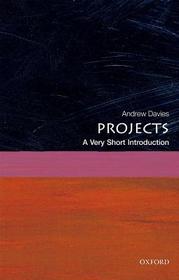
-
10% KEDVEZMÉNY?
- A kedvezmény csak az 'Értesítés a kedvenc témákról' hírlevelünk címzettjeinek rendeléseire érvényes.
- Kiadói listaár GBP 9.99
-
4 772 Ft (4 545 Ft + 5% áfa)
Az ár azért becsült, mert a rendelés pillanatában nem lehet pontosan tudni, hogy a beérkezéskor milyen lesz a forint árfolyama az adott termék eredeti devizájához képest. Ha a forint romlana, kissé többet, ha javulna, kissé kevesebbet kell majd fizetnie.
- Kedvezmény(ek) 10% (cc. 477 Ft off)
- Kedvezményes ár 4 295 Ft (4 091 Ft + 5% áfa)
Iratkozzon fel most és részesüljön kedvezőbb árainkból!
Feliratkozom
4 772 Ft

Beszerezhetőség
Becsült beszerzési idő: A Prosperónál jelenleg nincsen raktáron, de a kiadónál igen. Beszerzés kb. 3-5 hét..
A Prosperónál jelenleg nincsen raktáron.
Why don't you give exact delivery time?
A beszerzés időigényét az eddigi tapasztalatokra alapozva adjuk meg. Azért becsült, mert a terméket külföldről hozzuk be, így a kiadó kiszolgálásának pillanatnyi gyorsaságától is függ. A megadottnál gyorsabb és lassabb szállítás is elképzelhető, de mindent megteszünk, hogy Ön a lehető leghamarabb jusson hozzá a termékhez.
A termék adatai:
- Kiadó OUP Oxford
- Megjelenés dátuma 2017. október 26.
- ISBN 9780198727668
- Kötéstípus Puhakötés
- Terjedelem176 oldal
- Méret 176x112x10 mm
- Súly 136 g
- Nyelv angol
- Illusztrációk 10 black and white images 0
Kategóriák
Rövid leírás:
A project is a temporary organization of people and resources brought together to achieve a one-off objective. Andrew Davies explains how and why the project approach is central to success in creating products and services, constructing major infrastructure, launching entrepreneurial ventures, implementing strategies, even landing a man on the moon.
TöbbHosszú leírás:
What is a project? How are projects organized to deal with a complex, rapidly changing, and uncertain world? Why are projects the organization of the future?
A project is a temporary organization and one-time process established to achieve a desired outcome. Projects range in size from small teams to large international joint-ventures and temporary coalitions of public and private organizations. What distinguishes projects from all other organizational activities - such as mass produced products and services - is that a project is finite in duration, lasting from hours, days, or weeks to years, and in some cases decades. Each project is disposable. It brings together people and resources to accomplish a goal and when the goal is accomplished, the organization disappears. When projects are complex, unpredictable, and changing, their plans have to be flexible and able to adjust to situations that cannot foreseen at the outset.
In this Very Short Introduction Andrew Davies looks at how projects have developed since the industrial revolution to create the human-built world in which we live, work, and play. Considering some of our greatest endeavours such as the Erie Canal, Apollo Moon landing, Japanese product development, and Chinese ecocity projects, Davies identifies how projects are organized and managed to design and produce large and complex systems, cope with fast changing conditions, and deal with the immense uncertainties required to create breakthrough innovations in products and services. He concludes by considering how projects could be organized to address the challenges facing the post-industrial society of the 21st century.
ABOUT THE SERIES: The Very Short Introductions series from Oxford University Press contains hundreds of titles in almost every subject area. These pocket-sized books are the perfect way to get ahead in a new subject quickly. Our expert authors combine facts, analysis, perspective, new ideas, and enthusiasm to make interesting and challenging topics highly readable.
A goldmine of insights into project management -- how it is actually done and how it could be done better. Andrew Davies should be read by anyone interested in understanding and improving the management of projects.
Tartalomjegyzék:
Preface
Introduction
America's venture into the unknown
From Manhattan to the Moon
Arup's adhocracy and projects in theory
Lean, heavy, and disruptive projects
London's megaproject ecology
Back to the future
References
Further Reading
Index

