

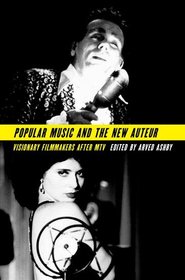
Popular Music and the New Auteur
Visionary Filmmakers after MTV
-
10% KEDVEZMÉNY?
- A kedvezmény csak az 'Értesítés a kedvenc témákról' hírlevelünk címzettjeinek rendeléseire érvényes.
- Kiadói listaár GBP 137.50
-
65 690 Ft (62 562 Ft + 5% áfa)
Az ár azért becsült, mert a rendelés pillanatában nem lehet pontosan tudni, hogy a beérkezéskor milyen lesz a forint árfolyama az adott termék eredeti devizájához képest. Ha a forint romlana, kissé többet, ha javulna, kissé kevesebbet kell majd fizetnie.
- Kedvezmény(ek) 10% (cc. 6 569 Ft off)
- Kedvezményes ár 59 121 Ft (56 306 Ft + 5% áfa)
Iratkozzon fel most és részesüljön kedvezőbb árainkból!
Feliratkozom
65 690 Ft

Beszerezhetőség
Megrendelésre a kiadó utánnyomja a könyvet. Rendelhető, de a szokásosnál kicsit lassabban érkezik meg.
Why don't you give exact delivery time?
A beszerzés időigényét az eddigi tapasztalatokra alapozva adjuk meg. Azért becsült, mert a terméket külföldről hozzuk be, így a kiadó kiszolgálásának pillanatnyi gyorsaságától is függ. A megadottnál gyorsabb és lassabb szállítás is elképzelhető, de mindent megteszünk, hogy Ön a lehető leghamarabb jusson hozzá a termékhez.
A termék adatai:
- Kiadó OUP USA
- Megjelenés dátuma 2013. december 5.
- ISBN 9780199827336
- Kötéstípus Keménykötés
- Terjedelem232 oldal
- Méret 163x239x17 mm
- Súly 465 g
- Nyelv angol
- Illusztrációk 32 b&w film stills 0
Kategóriák
Rövid leírás:
Popular Music and the New Auteur looks at seven contemporary directors whose feature films are characterized by music-video aesthetics. Demonstrating a fresh kind of cinematic musicality, these filmmakers write against music rather than against script, and allow pop songs a determining role in narrative and imagery.
TöbbHosszú leírás:
Movies have never been the same since MTV. While the classic symphonic film score promised direct insight into a character's mind, the expanded role of popular music has made more ambiguous the question of when, if ever, we are allowed to see or share a character's emotions. As a result, the potential for irony and ambiguity has multiplied exponentially, and characterization and narrative capacities have fragmented. At the most basic level, this new aesthetic has required filmgoers to renegotiate some of their most basic instinctual connections with the human voice and with any sense of a filmmaking self.
Music videos widened the creative vocabulary of filmmaking: they increased speeds of event in cinema and deflecting filmmakers from narrative, characterization, and storytelling toward a concentration on situation, feeling, mood, and time. Popular Music and the New Auteur charts the impact of music videos on seven visionary directors: Martin Scorsese, Sofia Coppola, David Lynch, Wong Kar-Wai, the Coen brothers, Quentin Tarantino, and Wes Anderson. Ashby and his contributors define these filmmakers' relation to the soundtrack as their key authorial gesture. These filmmakers demonstrate a fresh kind of cinematic musicality by writing against music rather than against script, and allowing pop songs a determining role in narrative and imagery. Featuring important new theoretical work by some of the most stimulating and provocative writers in the area today, Popular Music and the New Auteur will be required reading for all who study film music and sound. It will also be particularly relevant for readers in popular music studies, and its intervention in the ongoing debate on auteurism will make it necessary reading in film studies.
Popular Music and the New Auteur is an important collection. These essays demonstrate how certain contemporary directors use the selection of popular music in startling and innovative ways to imprint their films with a distinct musical signature.
Tartalomjegyzék:
Table of Contents
Introduction / Arved Ashby
Music and Cinematic Time
1. "Without Music I Would Be Lost": Scorsese, Goodfellas, and a New Soundtrack Practice / Julie Hubbert
2. Lost in Translation: Popular Music and The Melodramatic Mode of Sofia Coppola / Tim Anderson
Music and the Image
3. A Musical Tour of the Bizarre: Popular Music as Fantasy in David Lynch / Gene Willet
4. Songs of Delusion: Popular Music and the Aesthetics of the Self in Wong Kar-wai's Cinema / Giorgio Biancorosso
Music as Instrument of Irony and Authenticity
5. O Brother Where Chart Thou?: Pop Music and the Coen Brothers / Jeff Smith
6. You've Heard This One Before: Quentin Tarantino's Scoring Practices from Kill Bill to Inglourious Basterds / Ken Garner
7. Wes Anderson, Ironist and Auteur / Arved Ashby
Bibliography
Index

