

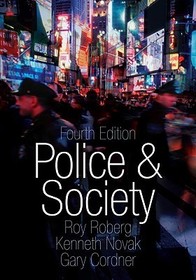
Police & Society
-
10% KEDVEZMÉNY?
- A kedvezmény csak az 'Értesítés a kedvenc témákról' hírlevelünk címzettjeinek rendeléseire érvényes.
- Kiadói listaár GBP 55.00
-
26 276 Ft (25 025 Ft + 5% áfa)
Az ár azért becsült, mert a rendelés pillanatában nem lehet pontosan tudni, hogy a beérkezéskor milyen lesz a forint árfolyama az adott termék eredeti devizájához képest. Ha a forint romlana, kissé többet, ha javulna, kissé kevesebbet kell majd fizetnie.
- Kedvezmény(ek) 10% (cc. 2 628 Ft off)
- Kedvezményes ár 23 649 Ft (22 523 Ft + 5% áfa)
Iratkozzon fel most és részesüljön kedvezőbb árainkból!
Feliratkozom
26 276 Ft

Beszerezhetőség
Bizonytalan a beszerezhetőség. Érdemes még egyszer keresni szerzővel és címmel. Ha nem talál másik, kapható kiadást, forduljon ügyfélszolgálatunkhoz!
Why don't you give exact delivery time?
A beszerzés időigényét az eddigi tapasztalatokra alapozva adjuk meg. Azért becsült, mert a terméket külföldről hozzuk be, így a kiadó kiszolgálásának pillanatnyi gyorsaságától is függ. A megadottnál gyorsabb és lassabb szállítás is elképzelhető, de mindent megteszünk, hogy Ön a lehető leghamarabb jusson hozzá a termékhez.
A termék adatai:
- Kiadás sorszáma 4
- Kiadó OUP USA
- Megjelenés dátuma 2008. július 31.
- ISBN 9780195370355
- Kötéstípus Kötés ismeretlen
- Terjedelem544 oldal
- Méret xx20 mm
- Súly 848 g
- Nyelv angol 0
Kategóriák
Hosszú leírás:
Now in a new edition, Police & Society offers a descriptive and analytical look at the process of policing, from police behavior and organization to operations and historical perspectives. With an emphasis on the relationship between the police and the community and how this relationship has changed through the years, coauthors Roy Roberg, Kenneth Novak, and Gary Cordner explore the most important theoretical foundations and incisive research on contemporary
policing practices.
To draw students into this complex subject, the authors provide many fascinating examples of policing at work: Inside Policing boxes address real-world police issues and operations and also offer biographical sketches of important police leaders. Voices From the Field boxes feature insights from nationally recognized police executives who
discuss current policing practices in a lively Q&A format.
Revised throughout, the fourth edition incorporates such timely new topics as media relations, intelligence-led policing, and changes in CompStat procedures. The authors also address the impact of society's evolution on current policing practices, paying special attention to the challenges of community policing and policing in the post-9/11 era. The book's rich pedagogical features include an expanded glossary, which provides clear definitions of key terms. An
Interactive Student Study Guide CD is packaged with the text, and an Instructor's Manual is also available.
An essential resource for policing in the twenty-first century, Police & Society, Fourth Edition, provides a dynamic introduction to this compelling field.
Tartalomjegyzék:
Acknowledgements
About the Authors
Foreword
Preface
Part I: Policing Foundations
1: POLICE IN A DEMOCRACY
The Concept of Democratic Policing
The Democracy-Police Conflict
Democracy and the Rule of Law
Policing, Terrorism, and Homeland Security
The Policing System
Organizational Structure
Police in a Democracy
The Expectation-Integration Model
The Role of the Police
Police Values, Goals, and Strategies
Summary
Critical Thinking Questions
References
Suggested Websites for Further Study
2: POLICE HISTORY
Foundations of Policing
The Emergence of Modern Policing in the United States
Modern Policing: The Political Model
Modern Policing: The Legalistic Model
State Police
Federal Law Enforcement
Summary
Critical Thinking Questions
References
Suggested Websites for Further Study
3: COMMUNITY POLICING
Transition Toward Community Policing
Community Policing
The Philosophical Dimension
The Strategic Dimension
The Tactical Dimension
Community Policing Today: Rhetoric or Reality?
Summary
Critical Thinking Questions
References
Suggested Websites for Further Study
Part II: Police Administration
4: POLICE MANAGEMENT
The Managerial Process
The Development of Police Management
Organizational Design
Managing Group Behavior
Summary
Critical Thinking Questions
References
Suggested Websites for Further Study
5: POLICE ORGANIZATION AND CHANGE
Organizational Change
The Madison Experience
The Chicago Experience
Job Redesign and Community Policing
Innovation
Summary
Critical Thinking Questions
References
Suggested Websites for Further Study
6: SELECTION AND DEVELOPMENT
Recruitment
Selection
Development
Summary
Critical Thinking Questions
References
Suggested Websites for Further Study
7: FIELD OPERATIONS
The Patrol Function
Selected Research on Patrol Operations
Directed Patrol, Drug Hot Spots, and Enforcement
Reactive Arrests and Domestic Violence
The Investigative Function
Selected Research on Investigative Operations
Summary
Critical Thinking Questions
References
Suggested Websites for Further Study
Part III: Police Behavior
8: BEHAVIOR AND MISCONDUCT
Perspectives of Police Behavior
Studies of Police Behavior
Decision-Making and Police Discretion
Police Deviance
Summary
Critical Thinking Questions
References
Suggested Websites for Further Study
9: FORCE AND COERCION
Police-Citizen Interactions
The Use of Force
Inappropriate Force
Summary
Critical Thinking Questions
References
Suggested Websites for Further Study
10: ACCOUNTABILITY AND ETHICS
Internal Accountability Mechanisms
External Accountability Mechanisms
The Limits of Oversight Mechanisms
Professional Standards
Ethical Standards
The Limits of Professional and Ethical Standards
Summary
Critical Thinking Questions
References
Suggested Websites for Further Study
11: LEGAL ISSUES
Criminal Procedure
Civil Liability
Summary
Critical Thinking Questions
References
Suggested Websites for Further Study
Part IV: Contemporary Issues
12: CULTURAL DIVERSITY
Minorities in Policing
Women in Policing
Affirmative Action
Equal Employment Opportunity
Reverse Discrimination
Increasing Diversity in Police Departments
Integration of Minorities and Women Into Policing
Future Prospects
Summary
Discussion Questions
References
Suggested Websites for Further Study
13: STRESS AND OFFICER SAFETY
The Concept of Stress
Occupational Stress
Historical Overview of Stressors
Categories of Stressors
Stress and Emotional Problems
Officer Safety
Summary
Critical Thinking Questions
References
Suggested Websites for Further Study
14: HIGHER EDUCATION
The Development of Higher Education Programs for Police
The Impact of Higher Education on Policing
Validating Higher Education for Police
College Education Standards for Employment
Summary
Critical Thinking Questions
References
Suggested Websites for Further Study
15: CONTEMPORARY AND EMERGING ISSUES
Changes in American Society
Significant Trends
Technology
Terrorism and Homeland Security
Police Strategies Post-9/11
Summary
Critical Thinking Questions
References
Suggested Websites for Further Study
Glossary

