
• Kapcsolat

  • Hírlevél

  • Rólunk

  • Szállítási lehetőségek

  • Prospero könyvpiaci podcast

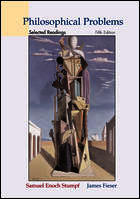
  • Philosophical Problems: Selected Readings with Free Philosophy PowerWeb

    Philosophical Problems: Selected Readings with Free Philosophy PowerWeb by Stumpf, Samuel Enoch; Fieser, James;

      • 10% KEDVEZMÉNY?

      • A kedvezmény csak az 'Értesítés a kedvenc témákról' hírlevelünk címzettjeinek rendeléseire érvényes.
      • Kiadói listaár GBP 57.99
      • Az ár azért becsült, mert a rendelés pillanatában nem lehet pontosan tudni, hogy a beérkezéskor milyen lesz a forint árfolyama az adott termék eredeti devizájához képest. Ha a forint romlana, kissé többet, ha javulna, kissé kevesebbet kell majd fizetnie.

        27 704 Ft (26 385 Ft + 5% áfa)
      • Kedvezmény(ek) 10% (cc. 2 770 Ft off)
      • Kedvezményes ár 24 934 Ft (23 747 Ft + 5% áfa)

    27 704 Ft

    Beszerezhetőség

    Bizonytalan a beszerezhetőség. Érdemes még egyszer keresni szerzővel és címmel. Ha nem talál másik, kapható kiadást, forduljon ügyfélszolgálatunkhoz!

    Why don't you give exact delivery time?

    A beszerzés időigényét az eddigi tapasztalatokra alapozva adjuk meg. Azért becsült, mert a terméket külföldről hozzuk be, így a kiadó kiszolgálásának pillanatnyi gyorsaságától is függ. A megadottnál gyorsabb és lassabb szállítás is elképzelhető, de mindent megteszünk, hogy Ön a lehető leghamarabb jusson hozzá a termékhez.

    A termék adatai:

    • Kiadás sorszáma 5
    • Kiadó McGraw-Hill Higher Education
    • Megjelenés dátuma 2002. július 1.

    • ISBN 9780072833515
    • Kötéstípus Puhakötés
    • Terjedelem416 oldal
    • Méret 231x162x17 mm
    • Súly 522 g
    • Nyelv angol
    • 0

    Kategóriák

    Hosszú leírás:

    This topically organized introductory philosophy reader features a chronological organization within the topics and a wide selection of readings. Primarily a selection of Western philosophy, the fifth edition also includes classic Eastern philosophy texts. New co-author James Fieser contributes fresh introductions to this respected anthology.

    This topically organized introductory philosophy reader features a chronological organization within the topics and a wide selection of readings. Primarily a selection of Western philosophy, the fifth edition also includes classic Eastern philosophy texts. New co-author James Fieser contributes fresh introductions to this respected anthology.

    Több

    Tartalomjegyzék:

    * indicates new to this edition

    PART ONE: THE MEANING OF LIFE

    Plato (427-347BCE), APOLOGY: "A Life Worth Living"

    *Chuang-tzu (c. 250 BCE), THE CHUANG-TZU: "Living in Accord with the Tao"

    Leo Tolstoy (1828-1910), MY CONFESSION: "The Inevitability of the Question, 'What is the Aim of Life?'"

    Jean-Paul Sartre (1905-1980), EXISTENTIALISM AND HUMANISM: "The Human Condition"

    PART TWO: PHILOSOPHY OF MIND

    Plato(427-347), PHAEDO: "Do Minds Survive after Death?"

    *KATHA UPANISHAD (c. 500 BCE): "The Self-God"

    *QUESTIONS OF KING MILIINDA(c. 100 CE): "The Self in Flux"

    Lucretius (c. 94-55 BCE), ON THE NATURE OF THINGS: "The Mind as Body"

    Rene Descartes (1569-1650), MEDITATIONS and THE PASSIONS OF THE SOUL: "The Distinction between Mind and Body"

    *Anne Conway (1631-1678), THE PRINCIPLES OF THE MOST ANCIENT AND MODERN PHILOSOPHY: "Blurring the Distinction Between Mind and Body"

    George Berkeley (1685-1753), THREE DIALOGUES BETWEEN HYLAS AND PHILONOUS: "Consciousness, not Matter, the True Reality"

    *David Hume (1711-1776), TREATISE OF HUMAN NATURE: "The Mind as a Bundle of Perceptions"

    Gilbert Ryle (1900-1976), THE CONCEPT OF MIND: "Descartes' Myth"

    John Searle (b. 1932), MINDS, BRAINS, AND SCIENCE: "The Mind-Body Problem"

    PART THREE: PHILOSOPHY OF RELIGION

    Anselm (1033-1109), PROSLOGIUM: "The Ontological Argument"

    Thomas Aquinas (1224-1274), SUMMA THEOLOGICA: "Five Ways of Proving God's Existence"

    *Blaise Pascal (1623-1662), THOUGHTS: "Waging on Belief in God"

    *David Hume (1711-1776), AN EQUIRY CONCERNING HUMAN UNDERSTANDING: "The Irrationality of Believing in Miricles"

    *David Hume (1711-1776), DIALOGUES CONCERNING NATURAL RELIGION: "Against the Design and Cosmological Arguments"

    *J.L. Mackie (1917-1981), EVIL AND OMNIPOTENCE: "The Logical Problem of Evil"

    PART FOUR: EPISTEMOLOGY

    Plato (427-347), THE REPUBLIC: "The Ascent to True Knowledge: The Divided Line and Cave"

    *Sextus Empiricus (c. 200 CE), OUTLINES OF PYRRHONISM: "The Goals and Methods of Skepticism"

    Rene Descartes (1569-1650), MEDITATIONS: "Certainty and the Limits of Doubt"

    John Locke (1632-1704), ESSAY CONCERNING HUMAN UNDERSTANDING: "The Origin of All Our Ideas in Experience"

    *David Hume (1711-1776), ENQUIRY CONCERNING HUMAN UNDERSTANDING, Sections 4 and 5: "Empiricism and the Limits of Knowledge"

    Immanuel Kant (1724-1804), CRITIQUE OF PURE REASON: "How Knowledge is Possible"

    William James (1842-1910), PRAGMATISM: A NEW NAME FOR SOME OLD WAYS OF THINKING: "Pragmatism's Conception of Truth"

    Bertrand Russell (1872-1970), PROBLEMS OF PHILOSOPHY: "Appearance and Reality"

    Arthur Eddington (1882-1944), THE NATURE OF THE PHYSICAL WORLD: "Common Sense Knowledge and Scientific Knowledge"

    *Richard Rorty (b. 1931), PHILOSOPHY AND THE MIRROR OF NATURE: "Critique of Traditional Epistemology"

    PART FIVE: FREE WILL AND DETERMINISM

    *Epictetus (c. 50-c. 120), HANDBOOK: "Resigning Oneself to Fate"

    *David Hume (1711-1776), ENQUIRY CONCERNING HUMAN UNDERSTANDING: "The Argument for Determinism"

    *Thomas Reid (1710-1796), ESSAYS ON THE ACTIVE POWERS OF MAN: "The Argument for Free Will from Common Sense Beliefs"

    William James (1842-1919), THE DILEMMA OF DETERMINISM: "How Can We Explain Judgements of Regret"

    John Searle (b. 1932), MINDS, BRAINS, AND SCIENCE: "The Freedom of the Will"

    PART SIX: ETHICS

    *Mencius (390-305 BCE) and Hsun-tzu (298-238 BCE), THE MENCIUS and THE HSUN-TZU: "Is Human Nature Inherently Good or Evil?"

    Plato (427-347 BCE), EUTHYPHRO: "Does God Create Morality?"

    Aristotle (384-322 BCE), NICHOMACHEAN ETHICS: "Morality and Virtue"

    *Epicurus (341-271 BCE), LETTER TO MENOECEUS: "Pleasure and Life's Aim"

    Immanual Kant (1724-1804), FUNDAMENTAL PRINCIPLES OF THE METAPHYSICS OF MORALS: "The Categorical Imperative"

    John Stuart Mill (1806-1873), UTILITARIANISM: "Utilitarianism: Basing Morality on Consequences"

    Friederich Nietzsche (1844-1900), BEYOND GOOD AND EVIL, THE TWILIGHT OF THE IDOLS, and THE WILL TO POWER: "Turning Values Upside Down"

    Carol Gilligan (b. 1936), IN A DIFFERENT VOICE: "Is there a Characteristically Feminine Voice Defining Morality?"

    *James Fieser, (b. 1958), MORAL PHILOSOPHY THROUGH THE AGES: "Cultural Relativism"

    PART SEVEN: POLITICAL PHILOSOPHY

    Plato (427-347 BCE), CRITO: "Obedience to the State"

    Aristotle (384-322 BCE), POLITICS: "The Natural Basis of Society"

    Thomas Aquinas (1224-1274), THE TREATISE ON LAW: "Natural Law"

    Thomas Hobbes (1588-1678), DE CIVE: "The Social Contract"

    *Mary Wollstonecraft (1759-1797), A VINDICATION OF THE RIGHTS OF WOMAN: "The Rights of Women"

    Karl Marx (1818-1883), MANIFESTO OF THE COMMUNIST PARTY: "The Clash of Class Interests"

    John Stuart Mill (1806-1873), ON LIBERTY: "The Individual and the Limits of Government"

    John Rawls (b. 1921), "Justice as Fairness"

    Több

    0