

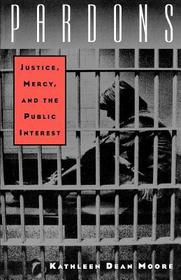
Pardons: Justice, Mercy, and the Public Interest
-
10% KEDVEZMÉNY?
- A kedvezmény csak az 'Értesítés a kedvenc témákról' hírlevelünk címzettjeinek rendeléseire érvényes.
- Kiadói listaár GBP 55.00
-
24 832 Ft (23 650 Ft + 5% áfa)
Az ár azért becsült, mert a rendelés pillanatában nem lehet pontosan tudni, hogy a beérkezéskor milyen lesz a forint árfolyama az adott termék eredeti devizájához képest. Ha a forint romlana, kissé többet, ha javulna, kissé kevesebbet kell majd fizetnie.
- Kedvezmény(ek) 10% (cc. 2 483 Ft off)
- Kedvezményes ár 22 349 Ft (21 285 Ft + 5% áfa)
Iratkozzon fel most és részesüljön kedvezőbb árainkból!
Feliratkozom
24 832 Ft

Beszerezhetőség
Megrendelésre a kiadó utánnyomja a könyvet. Rendelhető, de a szokásosnál kicsit lassabban érkezik meg.
Why don't you give exact delivery time?
A beszerzés időigényét az eddigi tapasztalatokra alapozva adjuk meg. Azért becsült, mert a terméket külföldről hozzuk be, így a kiadó kiszolgálásának pillanatnyi gyorsaságától is függ. A megadottnál gyorsabb és lassabb szállítás is elképzelhető, de mindent megteszünk, hogy Ön a lehető leghamarabb jusson hozzá a termékhez.
A termék adatai:
- Kiadó OUP USA
- Megjelenés dátuma 1997. október 23.
- ISBN 9780195113945
- Kötéstípus Puhakötés
- Terjedelem288 oldal
- Méret 207x139x23 mm
- Súly 354 g
- Nyelv angol 0
Kategóriák
Rövid leírás:
Kathleen Dean Moore begins with a review of the history of thought and practice on the subject of legal pardons, illustrated with a rich and fascinating variety of historical cases. She then addresses many crucial issues surrounding acts of clemency, including what justifies pardoning power, who should be pardoned, and the definition of an unforgivable crime. She carefully analyses the moral justification of pardons, discussing how to distinguish between justifiable, even morally obligatory, cases and unjustifiable abuses of clemency power.
TöbbHosszú leírás:
Kathleen Dean Moore begins with a review of the history of thought and practice on the subject of legal pardons, illustrated with a rich and fascinating variety of historical cases. She then addresses many crucial issues surrounding acts of clemency, including what justifies pardoning power, who should be pardoned, and the definition of an unforgivable crime. She carefully analyses the moral justification of pardons, discussing how to distinguish between justifiable, even morally obligatory, cases and unjustifiable abuses of clemency power.
Moore has made an important contribution to punishment theory in general and to an all too frequently neglected aspect of punishment in particular, namely, the role of the pardon in the criminal justice system. All terms, concepts, and arguments are clearly defined and logically developed. The endnotes, bibliography, and index are excellent. Highly recommended for public and undergraduate libraries.

