

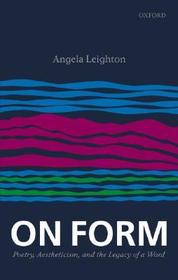
On Form
Poetry, Aestheticism, and the Legacy of a Word
-
10% KEDVEZMÉNY?
- A kedvezmény csak az 'Értesítés a kedvenc témákról' hírlevelünk címzettjeinek rendeléseire érvényes.
- Kiadói listaár GBP 64.00
-
28 896 Ft (27 520 Ft + 5% áfa)
Az ár azért becsült, mert a rendelés pillanatában nem lehet pontosan tudni, hogy a beérkezéskor milyen lesz a forint árfolyama az adott termék eredeti devizájához képest. Ha a forint romlana, kissé többet, ha javulna, kissé kevesebbet kell majd fizetnie.
- Kedvezmény(ek) 10% (kb. 2 890 Ft)
- Kedvezményes ár 26 006 Ft (24 768 Ft + 5% áfa)
Iratkozzon fel most és részesüljön kedvezőbb árainkból!
Feliratkozom
28 896 Ft

Beszerezhetőség
Bizonytalan a beszerezhetőség. Érdemes még egyszer keresni szerzővel és címmel. Ha nem talál másik, kapható kiadást, forduljon ügyfélszolgálatunkhoz!
Why don't you give exact delivery time?
A beszerzés időigényét az eddigi tapasztalatokra alapozva adjuk meg. Azért becsült, mert a terméket külföldről hozzuk be, így a kiadó kiszolgálásának pillanatnyi gyorsaságától is függ. A megadottnál gyorsabb és lassabb szállítás is elképzelhető, de mindent megteszünk, hogy Ön a lehető leghamarabb jusson hozzá a termékhez.
A termék adatai:
- Kiadó OUP Oxford
- Megjelenés dátuma 2007. március 29.
- ISBN 9780199290604
- Kötéstípus Keménykötés
- Terjedelem304 oldal
- Méret 223x143x22 mm
- Súly 486 g
- Nyelv angol 0
Kategóriák
Rövid leírás:
On Form assesses both the legacy of Victorian aestheticism and the nature of the literary. It tracks the development of the word 'form' since the Romantics and offers readings of, among others, Tennyson, Yeats, Stevens, and Plath. Original readings of poetry are combined with a powerful argument about the nature of aesthetic pleasure.
TöbbHosszú leírás:
What is form? Why does form matter? In this imaginative and ambitious study, Angela Leighton assesses not only the legacy of Victorian aestheticism, and its richly resourceful keyword, 'form', but also the very nature of the literary. She shows how writers, for two centuries and more, have returned to the idea of form as something which contains the secret of art itself. She tracks the development of the word from the Romantics to contemporary poets, and offers close
readings of, among others, Tennyson, Pater, Woolf, Yeats, Stevens, and Plath, to show how form has provided the single most important way of accounting for the movements of literary language itself. She investigates, for instance, the old debate of form and content, of form as music or sound-shape,
as the ghostly dynamic and dynamics of a text, as well as its long association with the aestheticist principle of being 'for nothing'. In a wide-ranging and inventive argument, she suggests that form is the key to the pleasure of the literary text, and that that pleasure is part of what literary criticism itself needs to answer and convey.
Angela Leighton's carefully argued defence of form and aestheticism is an extremely useful account of the debates surrounding these terms and the uses to which they have been put - by critics and poets - from 19th century France onwards, while also offering a resource for poets and teachers
Tartalomjegyzék:
Form's Matter: A Retrospective
Art for Art: On Pots, Crocks, Lyres, and Flutes
Touching Forms: Tennyson and Aestheticism
Aesthetic Conditions: Pater's Re-Forming Style
Seeing Nothing: Vernon Lee's Ghostly Aesthetics
Just a Word: On Woolf
Yeats's Feet
Wallace Stevens' Eccentric Souvenirs
W. S. Graham: In the Mind's Ear
Forms of Elegy: Stevenson, Muldoon, Hill, Fisher
Elegies of Form: Bishop, Plath, Stevenson
Nothing, but: An Afterword

