

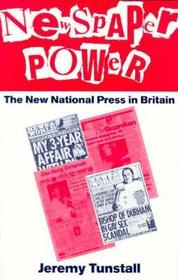
Newspaper Power
The New National Press in Britain
-
10% KEDVEZMÉNY?
- A kedvezmény csak az 'Értesítés a kedvenc témákról' hírlevelünk címzettjeinek rendeléseire érvényes.
- Kiadói listaár GBP 63.99
-
28 891 Ft (27 515 Ft + 5% áfa)
Az ár azért becsült, mert a rendelés pillanatában nem lehet pontosan tudni, hogy a beérkezéskor milyen lesz a forint árfolyama az adott termék eredeti devizájához képest. Ha a forint romlana, kissé többet, ha javulna, kissé kevesebbet kell majd fizetnie.
- Kedvezmény(ek) 10% (kb. 2 889 Ft)
- Kedvezményes ár 26 002 Ft (24 764 Ft + 5% áfa)
Iratkozzon fel most és részesüljön kedvezőbb árainkból!
Feliratkozom
28 891 Ft

Beszerezhetőség
Megrendelésre a kiadó utánnyomja a könyvet. Rendelhető, de a szokásosnál kicsit lassabban érkezik meg.
Why don't you give exact delivery time?
A beszerzés időigényét az eddigi tapasztalatokra alapozva adjuk meg. Azért becsült, mert a terméket külföldről hozzuk be, így a kiadó kiszolgálásának pillanatnyi gyorsaságától is függ. A megadottnál gyorsabb és lassabb szállítás is elképzelhető, de mindent megteszünk, hogy Ön a lehető leghamarabb jusson hozzá a termékhez.
A termék adatai:
- Kiadó OUP Oxford
- Megjelenés dátuma 1996. március 28.
- ISBN 9780198711339
- Kötéstípus Puhakötés
- Terjedelem452 oldal
- Méret 215x136x27 mm
- Súly 571 g
- Nyelv angol
- Illusztrációk line figures, tables 0
Kategóriák
Rövid leírás:
The first authoritative account of the British national press since the Rupert Murdoch-triggered `Death of Fleet Street' in 1986. Drawing on interviews with 200 senior newspaper people, Jeremy Tunstall argues that the major newspapers are now fatter and more aggressively competitive, while editors and journalist stars are more prominent. In an era of video entertainment, politicians and princesses as well as business moguls may love television, but it is the newspapers that they fear.
TöbbHosszú leírás:
This is the first authoritative account of the British national press since the Rupert Murdoch-triggered `Death of Flee Street' in 1986. Since then competition has intensified with more titles, fatter papers, more sections, and aggressive marketing. All areas of journalism - from sport to politics - have been transformed. A star system has developed for columnists and there is now a bigger and more powerful top echelon of senior executives, star writers, and section heads. The Editor has taken on a newly dominant role as impresario and entrepreneur.
Newspaper Power is based on 200 interviews with senior newspaper people in the 1990s. Jeremy Tunstall also studied pre-Murdoch Fleet Street and he makes illuminating comparisons between the 1960s and the 1990s.
The author argues that it is the newspapers (not TV) which define political crises and severely wound Prime Ministers; that the broadsheets have increasingly regarded finance as the new core of serious journalism; and that the tabloids have re-defined the British monarchy as soap opera. He also analyses the control over policy-making for the press, broadcasting, and cross-media ownership, which is exercised by the Prime Minister in consultation with the press. The book provides a valuable introduction to the national Press of our time and the issues that surround current and recent British journalism.
Tunstall has studied journalists, journalism and the newspaper industry for decades, and one great strength of his new book is that he is able to compare.

