

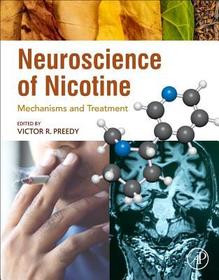
Neuroscience of Nicotine
Mechanisms and Treatment
-
10% KEDVEZMÉNY?
- A kedvezmény csak az 'Értesítés a kedvenc témákról' hírlevelünk címzettjeinek rendeléseire érvényes.
- Kiadói listaár EUR 154.00
-
63 871 Ft (60 830 Ft + 5% áfa)
Az ár azért becsült, mert a rendelés pillanatában nem lehet pontosan tudni, hogy a beérkezéskor milyen lesz a forint árfolyama az adott termék eredeti devizájához képest. Ha a forint romlana, kissé többet, ha javulna, kissé kevesebbet kell majd fizetnie.
- Kedvezmény(ek) 10% (cc. 6 387 Ft off)
- Kedvezményes ár 57 484 Ft (54 747 Ft + 5% áfa)
Iratkozzon fel most és részesüljön kedvezőbb árainkból!
Feliratkozom
63 871 Ft

Beszerezhetőség
Megrendelésre a kiadó utánnyomja a könyvet. Rendelhető, de a szokásosnál kicsit lassabban érkezik meg.
Why don't you give exact delivery time?
A beszerzés időigényét az eddigi tapasztalatokra alapozva adjuk meg. Azért becsült, mert a terméket külföldről hozzuk be, így a kiadó kiszolgálásának pillanatnyi gyorsaságától is függ. A megadottnál gyorsabb és lassabb szállítás is elképzelhető, de mindent megteszünk, hogy Ön a lehető leghamarabb jusson hozzá a termékhez.
A termék adatai:
- Kiadó Elsevier Science
- Megjelenés dátuma 2019. március 21.
- ISBN 9780128130353
- Kötéstípus Puhakötés
- Terjedelem566 oldal
- Méret 276x216 mm
- Súly 1540 g
- Nyelv angol 0
Kategóriák
Hosszú leírás:
Neuroscience of Nicotine: Mechanisms and Treatment presents the fundamental information necessary for a thorough understanding of the neurobiological underpinnings of nicotine addiction and its effects on the brain. Offering thorough coverage of all aspects of nicotine research, treatment, policy and prevention, and containing contributions from internationally recognized experts, the book provides students, early-career researchers, and investigators at all levels with a fundamental introduction to all aspects of nicotine misuse.
With an estimated one billion individuals worldwide classified as tobacco users-and tobacco use often being synonymous with nicotine addiction-nicotine is one of the world's most common addictive substances, and a frequent comorbidity of misuse of other common addictive substances. Nicotine alters a variety of neurological processes, from molecular biology, to cognition, and quitting is exceedingly difficult because of the number of withdrawal symptoms that accompany the process.
TöbbTartalomjegyzék:
1. Understanding Tobacco Use in Different Countries
2. Maternal Smoking and Fetal Brain Outcome: Mechanisms and Possible Solutions
3. Nicotine Effects in Adolescents
4. The Impact of Traditional Cigarettes and ECigarettes on the Brain
5. Reduction of Nicotine in Tobacco and Impact
6. Prenatal Nicotine Exposure and Neuronal Progenitor Cells
7. Synaptically Located Nicotinic Acetylcholine Receptor Subunits in Neurons Involved in Dependency to Nicotine
8. Cotinine as a Possible Allosteric Modulator of Nicotine Effects in Various Models
9. Nicotine, Neural Plasticity, and Nicotine's Therapeutic Potential
10. Habenular Synapses and Nicotine
11. Nicotine Neuroprotection of Brain Neurons: The Other Side of Nicotine Addiction
12. Linking Nicotine, Menthol, and Brain Changes
13. Cigarette Smoking and Nicotine: Effects on Multiple Sclerosis
14. Tobacco and Positron-Emission Tomography (PET) of the Dopaminergic System: A Review of Human Studies
15. Resting-State Functional Connectivity Imaging and Nicotine Dependence
16. Functional Magnetic Resonance Imaging of Acute Nicotine Effects
17. Nicotine Dependence in Schizophrenia: Contributions of Nicotinic Acetylcholine Receptors
18. Attentional Bias and Smoking
19. Effects of Nicotine on Inhibitory Control in Humans
20. Nicotine, Corticotropin-Releasing Factor, and Anxiety-Like Behavior
21. 6-Hydroxy-L-Nicotine and Memory Impairment
22. Cotinine and Memory: Remembering to Forget
23. Nicotine in Aberrant Learning and Corticostriatal Plasticity
24. Prenatal Nicotine Exposure and Impact on the Behaviors of Offspring
25. Craving in Substance Use Disorders With a Focus on Cigarette Smoking
26. The Acute Effect of Exercise on Cravings and Withdrawal Symptoms
27. CRF2 Receptor Agonists and Nicotine Withdrawal
28. Delirium and Nicotine Withdrawal
29. Postoperative Nicotine Withdrawal
30. Nicotine and Alpha3beta2 Neuronal Nicotinic Acetylcholine Receptors
31. Nicotine Addiction and Alpha4beta2* Nicotinic Acetylcholine Receptors
32. The Medial Habenula-Interpeduncular Nucleus Pathway in Nicotine Sensitization: The Role of ?3?4 Nicotinic
Acetylcholine Receptors and Substance P
33. Targeting Nicotinic Acetylcholine Receptors for the Treatment of Pain
34. Pharmacology of Muscle-Type Nicotinic Receptors
35. Involvement of Opioid Receptors in Nicotine-Related Reinforcement and Pleasure
36. Nicotine-Induced Kindling: Influences of Age, Sex, and Prevention by Antioxidants
37. Nicotine Reward and Abstinence: Role of the CB1 Receptors
38. The Therapeutic Potential of the Cognitive- Enhancing Effects of Nicotine and Other Nicotinic Acetylcholine Receptor Agonists
39. Nicotine and Dopamine DA1 Receptor Pharmacology
40. Brain Gene Expression in the Context of Nicotine Rewards: A Focus on Cholinergic Genes
41. HIV-Infected Subjects and Tobacco Smoking: A Focus on Nicotine Effects in the Brain
42. Renin-Angiotensin System Genes and Nicotine Dependence
43. Nicotine Dependence and the CHRNA5/CHRNA3/CHRNB4 Nicotinic Receptor Regulome
44. Brain, Nrf2, and Tobacco: Mechanisms and Countermechanisms Underlying Oxidative-Stress-Mediated Cerebrovascular Effects of Cigarette Smoking
45. Effects of Nicotine and Histone Deacetylase Inhibitors on the Brain
46. L-Type Calcium Channels and Nicotine
47. The Co-occurrence of Nicotine With Other Substance Use and Addiction: Risks, Mechanisms, onsequences, and Implications for Practice,With a Focus on Youth
48. Comorbid Smoking and Gambling Disorder: Potential Underlying Mechanisms and Future Explorations
49. Neuroscience of Tobacco and Crack Cocaine Use: Metabolism, Effects, and Symptomatology
50. Salivary Cotinine Assays
51. Overview of Cotinine Cutoff Values for Smoking Status Classification
52. Smoking Abstinence Expectancies Questionnaire
53. Pharmacist-led Smoking Cessation Services: Current and Future Perspectives
54. Nicotine Use and Weight Control in Young People: Implications for Prevention and Early Intervention
55. Exercise as a Smoking Cessation Aid
56. Varenicline: Treating Smoking Addiction and Schizophrenia
57. Nicotine Vaccines: The Past, the Present, and the Future
58. Treating Nicotine Dependence in Psychiatric Hospitals
59. Oral 18-Methoxycoronaridine (18-MC) Decreases Nicotine Self-Administration in Rats
60. Pharmacogenetics and Smoking Cessation
61. The Orexin System and Nicotine Addiction: Preclinical Insights
62. Tobacco Control Policies and Smokers' Responses
63. Resources for the Neuroscience of Nicotine

