

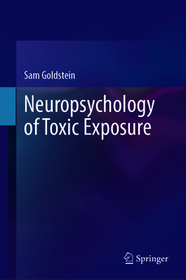
Neuropsychology of Toxic Exposure
-
12% KEDVEZMÉNY?
- Kiadói listaár EUR 160.49
-
62 687 Ft (59 702 Ft + 5% áfa)
Az ár azért becsült, mert a rendelés pillanatában nem lehet pontosan tudni, hogy a beérkezéskor milyen lesz a forint árfolyama az adott termék eredeti devizájához képest. Ha a forint romlana, kissé többet, ha javulna, kissé kevesebbet kell majd fizetnie.
- Kedvezmény(ek) 12% (cc. 7 522 Ft off)
- Kedvezményes ár 55 165 Ft (52 538 Ft + 5% áfa)
55 165 Ft

Beszerezhetőség
Még nem jelent meg, de rendelhető. A megjelenéstől számított néhány héten belül megérkezik.
Why don't you give exact delivery time?
A beszerzés időigényét az eddigi tapasztalatokra alapozva adjuk meg. Azért becsült, mert a terméket külföldről hozzuk be, így a kiadó kiszolgálásának pillanatnyi gyorsaságától is függ. A megadottnál gyorsabb és lassabb szállítás is elképzelhető, de mindent megteszünk, hogy Ön a lehető leghamarabb jusson hozzá a termékhez.
A termék adatai:
- Kiadó Springer Nature Switzerland
- Megjelenés dátuma 2026. augusztus 14.
- ISBN 9783032299611
- Kötéstípus Keménykötés
- Terjedelem755 oldal
- Méret 235x155 mm
- Nyelv angol
- Illusztrációk XLIII, 755 p. 1 illus. 700
Kategóriák
Hosszú leírás:
Environmental and occupational toxic exposures rarely leave a single, unmistakable mark on the brain. Instead, they quietly, cumulatively, and often invisibly alter cognition, emotion, and behavior. Neuropsychology of Toxic Exposure brings clarity to this complex terrain, offering a comprehensive framework for understanding how toxic agents disrupt brain–behavior relationships across the lifespan and how those effects can be assessed, treated, and prevented.
Bridging neurotoxicology, neuroscience, and clinical neuropsychology, this volume translates biological injury into functional meaning. It examines how metals, pesticides, solvents, gases, biological toxins, and extreme exposures affect attention, memory, executive functioning, and emotional regulation. The emphasis is on subtle neurocognitive change, longitudinal assessment, and the integration of neuropsychological data with neuroimaging, biomarkers, and exposure history.
Written for clinicians, researchers, and policy professionals, the book goes beyond mechanisms of injury to address rehabilitation, recovery, forensic evaluation, and public health implications. Case examples illustrate diagnostic challenges and differential considerations, and later chapters explore lifespan vulnerability, environmental justice, and the role of neuropsychology in litigation and policy development.
At its core, Neuropsychology of Toxic Exposure argues that brain health is a shared responsibility—one that requires scientific rigor, clinical precision, and informed policy. By integrating science, practice, and prevention, this book offers essential guidance for protecting cognitive function in an increasingly toxic world.
This book provides in-depth coverage of:
• Neuropsychological principles for assessing toxic exposure
• Brain–behavior effects of metals, pesticides, solvents, gases, and biological toxins
• Acute versus chronic exposure and cumulative neurotoxicity
• Developmental and lifespan vulnerability, from prenatal exposure to aging
• Neuroimaging and biomarker integration in exposure assessment
• Cognitive rehabilitation and recovery following toxic injury
• Occupational and environmental health considerations
• Forensic neuropsychology and toxic exposure litigation
• Environmental justice, prevention, and public policy implications
Neuropsychology of Toxic Exposure is an essential resource for professionals seeking to understand, assess, and respond to the cognitive and emotional consequences of toxic exposure in humans.
TöbbTartalomjegyzék:
"
Preface.- Chapter 1. Foundations of Neurotoxicology and Neuropsychology.- Chapter 2. Principles of Neuropsychological Assessment in Toxic Exposure.- Chapter 3. Heavy Metals and the Brain: From Childhood to Aging.- Chapter 4. Emerging Metal Neurotoxicants: Aluminum, Cadmium, Manganese, and Thallium.- Chapter 5. Organophosphates and Pesticides: Mechanisms and Acute Neurobehavioral Effects.- Chapter 6. Chronic Pesticide and Insecticide Neurotoxicity.- Chapter 7. Solvents and Neurocognition: From Acute Intoxication to Chronic Deficits.- Chapter 8. Hydrocarbons, Halogenated Solvents, and Inhalant Abuse.- Chapter 9. Gaseous Neurotoxins: Carbon Monoxide, Hydrogen Sulfide, and Related Agents.- Chapter 10. Occupational Gas and Chemical Safety in Healthcare and Industry.- Chapter 11. Glycols, Volatile Compounds, and Peripheral Neurotoxicity.- Chapter 12. Airborne Pollutants and Environmental Neurodegeneration.- Chapter 13. Biological and Infectious Neurotoxins.- Chapter 14. Nerve Agents and Chemical Warfare Exposure.- Chapter 15. Electrical Injury and Neuropsychological Sequelae.- Chapter 16. Mechanisms of Neuroinflammation and Oxidative Stress.- Chapter 17. Cognitive Rehabilitation and Recovery After Toxic Injury.- Chapter 18. Developmental and Lifespan Perspectives in Neurotoxicology.- Chapter 19. Forensic Neuropsychology and Toxic Exposure Litigation.- Chapter 20. Integrating Science, Practice, and Policy.
" Több
