

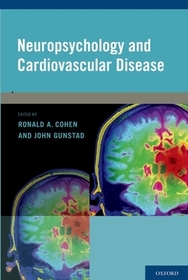
Neuropsychology and Cardiovascular Disease
-
10% KEDVEZMÉNY?
- A kedvezmény csak az 'Értesítés a kedvenc témákról' hírlevelünk címzettjeinek rendeléseire érvényes.
- Kiadói listaár GBP 110.00
-
49 665 Ft (47 300 Ft + 5% áfa)
Az ár azért becsült, mert a rendelés pillanatában nem lehet pontosan tudni, hogy a beérkezéskor milyen lesz a forint árfolyama az adott termék eredeti devizájához képest. Ha a forint romlana, kissé többet, ha javulna, kissé kevesebbet kell majd fizetnie.
- Kedvezmény(ek) 10% (kb. 4 967 Ft)
- Kedvezményes ár 44 699 Ft (42 570 Ft + 5% áfa)
Iratkozzon fel most és részesüljön kedvezőbb árainkból!
Feliratkozom
49 665 Ft

Beszerezhetőség
Megrendelésre a kiadó utánnyomja a könyvet. Rendelhető, de a szokásosnál kicsit lassabban érkezik meg.
Why don't you give exact delivery time?
A beszerzés időigényét az eddigi tapasztalatokra alapozva adjuk meg. Azért becsült, mert a terméket külföldről hozzuk be, így a kiadó kiszolgálásának pillanatnyi gyorsaságától is függ. A megadottnál gyorsabb és lassabb szállítás is elképzelhető, de mindent megteszünk, hogy Ön a lehető leghamarabb jusson hozzá a termékhez.
A termék adatai:
- Kiadó OUP USA
- Megjelenés dátuma 2010. április 8.
- ISBN 9780195341188
- Kötéstípus Keménykötés
- Terjedelem432 oldal
- Méret 160x236x35 mm
- Súly 870 g
- Nyelv angol 0
Kategóriák
Hosszú leírás:
Roughly one of every three Americans has some form of cardiovascular disease (CVD), including more than 70% of persons older than 75 years of age. Long associated with increased risk for mortality and disability, CVD is also a major risk factor for stroke and cerebrovascular disease. There has been growing consensus that CVD is also an important contributor to poor neurocognitive outcome in own right. Numerous studies now link CVD to accelerated cognitive decline, structural and functional brain abnormalities, including neurodegnerative conditions in the elderly. While vascular dementia is the most obvious example of severe brain dysfunction directly tied to chronic vascular disease, evidence is also mounting that Alzheimer's disease may be linked to some of the same pathophysiological mechanisms that underlie cardiovascular disease.
This book was written to provide up-to-date insight into these heart-brain connections and the neuropsychology of CVD. Highlights include:
BL Controversies in vascular dementia and vascular cognitive impairment (VCI)
BL Effects of aging on cerebral hemodynamics and autoregulation
BL How blood vessel function contributes to cognitive decline
BL Updates on the cognitive impact of cardiosurgical procedures
BL Neurocognitive aspects of heart failure
BL Neuropsychological evaluation of persons with CVD
BL Mechanisms by which neurological changes produce cardiac dysfunction
BL Recent findings in the structural and functional neuroimaging in CVD
Both clinicians and researchers in neuropsychology, health psychology, cardiology, neurology, psychiatry, geriatrics and many others will find this book an important resource.
Readers would be hard pressed to find a more comprehensive review of cardiovascular disease and the neuropsychological sequelae. This book exceeds the goal of providing a useful reference for neuropsychologists or behavioural neurologists working with patients with vascular disorders. It should accompany any general neuropsychology book for its expert coverage of this critical area.

