

-
10% KEDVEZMÉNY?
- A kedvezmény csak az 'Értesítés a kedvenc témákról' hírlevelünk címzettjeinek rendeléseire érvényes.
- Kiadói listaár GBP 230.00
-
103 845 Ft (98 900 Ft + 5% áfa)
Az ár azért becsült, mert a rendelés pillanatában nem lehet pontosan tudni, hogy a beérkezéskor milyen lesz a forint árfolyama az adott termék eredeti devizájához képest. Ha a forint romlana, kissé többet, ha javulna, kissé kevesebbet kell majd fizetnie.
- Kedvezmény(ek) 10% (kb. 10 385 Ft)
- Kedvezményes ár 93 461 Ft (89 010 Ft + 5% áfa)
Iratkozzon fel most és részesüljön kedvezőbb árainkból!
Feliratkozom
103 845 Ft

Beszerezhetőség
Megrendelésre a kiadó utánnyomja a könyvet. Rendelhető, de a szokásosnál kicsit lassabban érkezik meg.
Why don't you give exact delivery time?
A beszerzés időigényét az eddigi tapasztalatokra alapozva adjuk meg. Azért becsült, mert a terméket külföldről hozzuk be, így a kiadó kiszolgálásának pillanatnyi gyorsaságától is függ. A megadottnál gyorsabb és lassabb szállítás is elképzelhető, de mindent megteszünk, hogy Ön a lehető leghamarabb jusson hozzá a termékhez.
A termék adatai:
- Kiadó OUP Oxford
- Megjelenés dátuma 1999. szeptember 2.
- ISBN 9780198524052
- Kötéstípus Keménykötés
- Terjedelem336 oldal
- Méret 242x163x22 mm
- Súly 612 g
- Nyelv angol
- Illusztrációk line figures 0
Kategóriák
Rövid leírás:
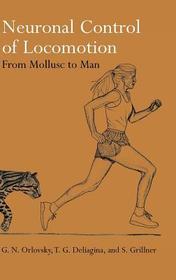
What does a swimming leech have to do with a running human? The evolution of the nervous system relates to a large extent to the evolution of locomotion. Neuronal Control of Locomotion: From Mollusc to Man describes how the brains in very diverse and evolutionarily removed species control the animal's locomotion. In doing so, the authors reveal unifying principles of brain function, making the book essential reading for students and researchers in neurobiology generally, and motor control in particular.
TöbbHosszú leírás:
What does the swimming leech have to do with the running human? The ability to move actively in space is essential to members of the animal kingdom, and the evolution of the nervous system relates to a large extent to the evolution of locomotion. The extreme importance of locomotion has stimulated many studies of the neural mechanisms underlying locomotion across a range of species. For the first time, a group of three leading neurobiologists have undertaken a comparative study of these mechanisms. Neuronal Control of Locomotion: From Mollusc to Man describes how the brains in very diverse and evolutionarily removed species control the animal's locomotion. In doing so, the authors reveal unifying principles of brain function, making it essential reading for students and researchers in neurobiology generally, and motor control in particular. "In my opinion, the authors have produced a masterful and highly readable exposition on the neural control of locomotion. It is timely and relevant to avant- garde neuroscience. It will have a major impact on the field, and is sure to be referenced well into the second half of the next century." Douglas Stuart, University of Arizona College of Medicine
The triumvirate of Orlovsky, Deliagina and Grillner is uniquely placed to produce a unified account of the neural basis of locomotion across the whole animal kingdom...this is an excellent book for those seeking wide background knowledge of neural mechanisms underlying movement. Those already in the field will also find it valuable.
Tartalomjegyzék:
Introduction
Part 1: Locomotion in invertebrates
Swimming in the mollusc Clione limacina based on wing flapping
Other forms of locomotion in molluscs
Swimming in the leech
Walking in the crayfish and lobster
Swimming in the crayfish and lobster
Walking in the stick insect and locust
Flying in the locust
Part 2 : Swimming locomotion in lower vertebrates
Swimming in the lamprey
Swimming in the toad and tadpole
Part 3: Quadrupedal locomotion in mammals
General organisation of the locomotor control system in the cat
Limb controller
Initiation of locomotion
Role of the cerebellum in locomotor coordination
Role of the motor cortex in locomotor coordination
Part 4: Human locomotion
Walking and running in humans
General conclusions

