

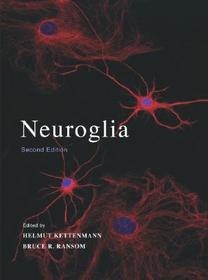
Neuroglia
-
10% KEDVEZMÉNY?
- A kedvezmény csak az 'Értesítés a kedvenc témákról' hírlevelünk címzettjeinek rendeléseire érvényes.
- Kiadói listaár GBP 101.00
-
45 601 Ft (43 430 Ft + 5% áfa)
Az ár azért becsült, mert a rendelés pillanatában nem lehet pontosan tudni, hogy a beérkezéskor milyen lesz a forint árfolyama az adott termék eredeti devizájához képest. Ha a forint romlana, kissé többet, ha javulna, kissé kevesebbet kell majd fizetnie.
- Kedvezmény(ek) 10% (kb. 4 560 Ft)
- Kedvezményes ár 41 041 Ft (39 087 Ft + 5% áfa)
Iratkozzon fel most és részesüljön kedvezőbb árainkból!
Feliratkozom
45 601 Ft

Beszerezhetőség
Bizonytalan a beszerezhetőség. Érdemes még egyszer keresni szerzővel és címmel. Ha nem talál másik, kapható kiadást, forduljon ügyfélszolgálatunkhoz!
Why don't you give exact delivery time?
A beszerzés időigényét az eddigi tapasztalatokra alapozva adjuk meg. Azért becsült, mert a terméket külföldről hozzuk be, így a kiadó kiszolgálásának pillanatnyi gyorsaságától is függ. A megadottnál gyorsabb és lassabb szállítás is elképzelhető, de mindent megteszünk, hogy Ön a lehető leghamarabb jusson hozzá a termékhez.
A termék adatai:
- Kiadás sorszáma 2
- Kiadó OUP USA
- Megjelenés dátuma 2004. október 28.
- ISBN 9780195152227
- Kötéstípus Keménykötés
- Terjedelem624 oldal
- Méret 285x223x37 mm
- Súly 1698 g
- Nyelv angol
- Illusztrációk numerous black & white photographs and line illlustrations 0
Kategóriák
Rövid leírás:
Neuroglia is the only comprehensive reference book on the basic biology and function of glial cells. It covers the entire field of glial research from the basic molecular and cellular properties of these cells to their involvement in neurological diseases including stroke, Alzheimer's Disease, and multiple sclerosis. This long-awaited second edition includes new chapters on transmitter release by extocytosis from glia, glia derived stem cells, glia synaptic transmission,
glia and axon guidance, an entirely new section on mechanisms of glial injury, and several new chapters on the roles of glia in different diseases. It is an essential reference source for newcomers, including graduate students, to neuroanatomy, neurochemistry, neurophysiology, and molecular neurobiology. It
is also a vital companion for established researchers in these fields as well as clinicians in neurology, neurosurgery, psychiatry, neuropathology and neuro-oncology.
Hosszú leírás:
Reflecting the dramatic advances in the field since the first edition was published 10 years ago, this book is the only comprehensive reference on glial cells. The majority of neuroscientists now acknowledge that neuroglia are elemental to most, if not all, brain functions. The second edition covers the entire field of glial research from the basic molecular and cellular structure of these cells to their involvement in neurological diseases including stroke, Alzheimer's disease and
multiple sclerosis. It includes new chapters on transmitter release by exocytosis from glia, glia derived stem cells, glia and synaptic transmission, glia and axon guidance, mechanisms of glial injury, and the roles of glia in different diseases.
The new edition was written with both students and experts in mind. It provides a basic introduction to the entire range of glial topics and detailed information with critical assessment of the research literature. Neuroscience textbooks focus on the properties of neurons, whereas this book fills the information void about the brain's other cells. This book is an essential reference source for newcomers, including graduate students, to neuroanatomy, neurochemistry, neurophysiology and
molecular neurobiology. It is also a vital companion for established researchers in these fields as well as clinicians in neurology, neurosurgery, psychiatry, neuropathology and neuro-oncology.
The book is unquestionably an authoritative and comprehensive compilation of the various aspects on neuroglia.
Tartalomjegyzék:
The Concept of neuroglia: a historical perspective
Part 1: Properties of neuroglial cells
Morphology and ultrastructure of glial cells
Astrocytes and ependymal glia
Structure and function of oligodentrocytes
Schwann cells and myelin
Microglial cells
Lineage
Lineages of astrocytes and oligodendrocytes
The Schwann cell lineage
The role of neurogenic astroglial cells in the developing and adult central nervous system
Physiological and biochemical properties
Voltage-activated ion channels in glial cells
Receptors for neurotransmitters and hormones
Cytokine and chemokine receptors and signalling
Mechanisms of solute transport in glia
Gap junctions and hemichannels
Quantal release of transmitter: not only from neurons but from astrocytes as well?
Enzymes of carbohydrate and energy metabolism
Second messenger systems
Intracellular calcium control mechanisms in glia
Cytoskeletal proteins in astroglia
Part 2: Functions of neuroglial cells
Myelin
Molecular biology of myelination
Factors controlling myelin formation
Myelin function and saltatory conduction
Immune function
Cytokine production
Interaction of glial cells with monocytes
Antigen processing, presentation, and T cell interaction
Blood-brain-barrier
The role of glia in the formation and function of the blood-brain-barrier
Influence on neurons
Extracellular potassium and pH: homeostasis and signalling
Astrocyte neurotransmitter uptake
Glia and synaptic transmission
The central role of astrocytes in neuroenergetics
Growth factors for neurons provided by macroglial cells
Development
Radial glial cells: scaffolding for cortical development and evolution
Axon guidance
Part 3: Disease and neuroglial cells
Mechanisms of glial injury
Astrocyte injury
Oligodendrocyte and Schwann cell injury
Response of microglia to brain injury
Recovery of neural function
Axonal regeneration in the peripheral nervous system of mammals
Axonal regeneration in the central nervous system of mammals
Transplantation of myelin-forming cells
Diseases
Multiple Sclerosis
Human immunodeficiency virus infection of the central nervous system
Focal cerebral ischemia: the multifaceted role of glial cells
Gliomas
Neurological mouse mutants: a molecular-genetic analysis of myelin proteins
Astrocytic swelling in neuropathology
The activation of microglia as an early sign of disease progression in Alzheimer's disease
Peripheral neuropathy and the Schwann cell
Reaction of glial cells in infectious disorders of the central nervous system

