

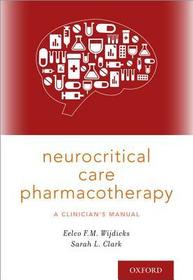
Neurocritical Care Pharmacotherapy
A Clinician's Manual
-
10% KEDVEZMÉNY?
- A kedvezmény csak az 'Értesítés a kedvenc témákról' hírlevelünk címzettjeinek rendeléseire érvényes.
- Kiadói listaár GBP 89.00
-
40 183 Ft (38 270 Ft + 5% áfa)
Az ár azért becsült, mert a rendelés pillanatában nem lehet pontosan tudni, hogy a beérkezéskor milyen lesz a forint árfolyama az adott termék eredeti devizájához képest. Ha a forint romlana, kissé többet, ha javulna, kissé kevesebbet kell majd fizetnie.
- Kedvezmény(ek) 10% (kb. 4 018 Ft)
- Kedvezményes ár 36 165 Ft (34 443 Ft + 5% áfa)
Iratkozzon fel most és részesüljön kedvezőbb árainkból!
Feliratkozom
40 183 Ft

Beszerezhetőség
Megrendelésre a kiadó utánnyomja a könyvet. Rendelhető, de a szokásosnál kicsit lassabban érkezik meg.
Why don't you give exact delivery time?
A beszerzés időigényét az eddigi tapasztalatokra alapozva adjuk meg. Azért becsült, mert a terméket külföldről hozzuk be, így a kiadó kiszolgálásának pillanatnyi gyorsaságától is függ. A megadottnál gyorsabb és lassabb szállítás is elképzelhető, de mindent megteszünk, hogy Ön a lehető leghamarabb jusson hozzá a termékhez.
A termék adatai:
- Kiadó OUP USA
- Megjelenés dátuma 2018. május 31.
- ISBN 9780190684747
- Kötéstípus Puhakötés
- Terjedelem354 oldal
- Méret 203x127x17 mm
- Súly 499 g
- Nyelv angol 0
Kategóriák
Rövid leírás:
Neurocritical Care Pharmacotherapy: A Clinican's Guide is a practical, succinct but comprehensive pharmacy handbook provides up-to-date clinical guidance on the effective selection, prescription, and usage of neurocritical care drugs for patients with acute neurologic illnesses. The treatment of the critically ill neurologic patient is often difficult, specialized, and includes drugs infrequently used in other intensive care units such as antiepileptic drugs, osmotic agents or acute immunotherapy such as intravenous immunoglobulin and plasma exchange.
TöbbHosszú leírás:
Neurocritical Care Pharmacotherapy: A Clinican's Guide is a practical, succinct but comprehensive pharmacy handbook provides up-to-date clinical guidance on the effective selection, prescription, and usage of neurocritical care drugs for patients with acute neurologic illnesses. The treatment of the critically ill neurologic patient is often difficult, specialized, and includes drugs infrequently used in other intensive care units such as antiepileptic drugs, osmotic agents or acute immunotherapy such as intravenous immunoglobulin and plasma exchange.
This text discusses choosing the right combination of drugs; how to correctly prescribe and administer the drugs; how to monitor drug efficacy and side effects; how neurocritical care drugs interact with other medications; and comprehensive coverage of current treatment options.
Key Feature of this Manual Include
· A brief discussion of the basic pharmacology of each neurocritical drug, with an emphasis on how to select and use these drugs in multiple clinical contexts.
· 150 drugs accompanied by a diagram for quick comprehension and drug administration guides.
· Unique blending of expertise of neurointensivist with a critical care pharmacist to provide a vital resource for both specialities
· References for further reading that are oriented toward utility in clinical practice.
Tartalomjegyzék:
Preface
Chapter 1: Drug Delivery, Monitoring and Interactions
Bioavailability of a Drug
Drug Administration Routes
Drug Interactions
Drug Errors
Pharmacogenomics
Neuropharmacology and Critical Care Pharmacology
Chapter 2: Analgosedation and Neuromuscular Blockers
Deciding on Sedation
Sedative Drugs
Analgesics
Neuromuscular Blockers
Neuromuscular Blockers in ICU Practice
Neuromuscular Blockers Reversal
Chapter 3: Agitation and Delirium
Causes of delirium
Clinical Features of Delirium
Pharmacologic Treatment of Agitation
Neuroleptics
Benzodiazepines
Preventive Drugs
Chapter 4: Pain Management
Grading Pain
Types of Pain in the Neurosciences ICU
Indications for Pain Management
Drugs for pain
Non-steroidal Anti-Inflammatory Agents
Patient-controlled Analgesia
Chapter 5: Osmotic Therapy
The Constants of Brain Volume
Hyperosmolar Fluids
Osmotic Agents in Clinical Practice
Chapter 6: Antiepileptic drugs
Seizures in the ICU
Treatment Protocols
Antiepileptic Drugs Used in ICU Practice
Interactions and Adjustments
Chapter 7: Anticoagulation and Reversal Drugs
Anticoagulation and Stroke
Heparin and Warfarin
Factor Xa Inhibitors
Thrombin Inhibitors
Hemorrhage from Anticoagulants
Current Recommendations on Reversal Agents
Chapter 8: Antifibrinolytics and Thrombolytics
Basic Mechanisms and Targets
Antifibrinolytics
Fibrinolytics
Thrombolytics
Post-alteplase Care
Chapter 9: Antiplatelet Agents
Clinical Trials on Antiplatelet Agents in Stroke
Current Indications for Antiplatelet Agents
Antiplatelet Agents
Testing Platelet Function
Antiplatelet Resistance
Discontinuation Antiplatelet Agents before Procedure
Clinical Urgency While on Antiplatelets
Chapter 10: Immunosuppression and Immunotherapy
Corticosteroids
Plasma Exchange
Intravenous Immunoglobulin
Check Point Inhibitor Immunotherapy
Other Therapeutic Targets in Autoimmune Neurology
Chapter 11: Antimicrobial Therapy for CNS infections
Bacterial Meningitis
Viral, Fungal, and Parasitic Infections
The Pharmacology of Antibiotics
Antivirals
Antifungals
Chapter 12: Vasopressors and Inotropes
Mechanisms of Action in Vasopressors and Inotropes
Vasopressors
Inotropes
Use in Clinical Practice
Chapter 13: Antihypertensives and Antiarrhythmics
Definition of Hypertension and Blood Pressure Goals
Best Practice of Antihypertensives
Control of Blood Pressure after Urgent Control
Antiarrhythmic Drugs
Chapter 14: Fluid Therapy
Regulation of Fluid Status
General Principles of Fluid Management
Type of Fluids
Fluid Administration
Fluid Management Principles in the NICU
Acute Fluid Resuscitation
Chapter 15: Drugs to Correct Electrolyte and Acid Base Disorders
Common Electrolyte Replacements
Disorders of Sodium and Water homeostasis
Drugs to manage Sodium Disorders
Chapter 16: Antidotes with Overdose
First Treatment Considerations
Toxins and Major Laboratory Abnormalities
Neurology of Overdose
Commonly Used Agents for Detoxification
Major Toxidromes
Toxic Dysautonomias
Chapter 17: Drugs for Prevention of Complications
Prevention of Deep Venous Thrombosis
Prevention of Hyperglycemia
Prevention of Stress Ulcers
Prevention of Infections
Prevention of Cerebral vasospasm
Chapter 18: Withdrawal Syndromes and Treatment
Alcohol Withdrawal Syndrome
Opioid Withdrawal
Stimulant Withdrawal
Baclofen Withdrawal
Nicotine Withdrawal
Chapter 19: Treatment of Brain Injury-associated Symptoms and Signs
Control of Specific Headaches
Control of Nausea and Vomiting
Control of Hiccups
Control of Secretions
Control of Constipation and Dysmotility
Control of Fever and Shivering
Control of Rhabdomyolysis
Chapter 20: Drugs used in Neurorehabilitation
Neurostimulants
Drugs for post- stroke depression
Drugs for spasticity
Index

