

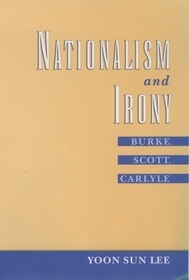
Nationalism and Irony
Burke, Scott, Carlyle
-
10% KEDVEZMÉNY?
- A kedvezmény csak az 'Értesítés a kedvenc témákról' hírlevelünk címzettjeinek rendeléseire érvényes.
- Kiadói listaár GBP 46.49
-
20 990 Ft (19 990 Ft + 5% áfa)
Az ár azért becsült, mert a rendelés pillanatában nem lehet pontosan tudni, hogy a beérkezéskor milyen lesz a forint árfolyama az adott termék eredeti devizájához képest. Ha a forint romlana, kissé többet, ha javulna, kissé kevesebbet kell majd fizetnie.
- Kedvezmény(ek) 10% (cc. 2 099 Ft off)
- Kedvezményes ár 18 891 Ft (17 991 Ft + 5% áfa)
Iratkozzon fel most és részesüljön kedvezőbb árainkból!
Feliratkozom
20 990 Ft

Beszerezhetőség
Megrendelésre a kiadó utánnyomja a könyvet. Rendelhető, de a szokásosnál kicsit lassabban érkezik meg.
Why don't you give exact delivery time?
A beszerzés időigényét az eddigi tapasztalatokra alapozva adjuk meg. Azért becsült, mert a terméket külföldről hozzuk be, így a kiadó kiszolgálásának pillanatnyi gyorsaságától is függ. A megadottnál gyorsabb és lassabb szállítás is elképzelhető, de mindent megteszünk, hogy Ön a lehető leghamarabb jusson hozzá a termékhez.
A termék adatai:
- Kiadó OUP USA
- Megjelenés dátuma 2004. június 10.
- ISBN 9780195162356
- Kötéstípus Keménykötés
- Terjedelem232 oldal
- Méret 229x152x17 mm
- Súly 517 g
- Nyelv angol 0
Kategóriák
Rövid leírás:
Linking together two of the most significant developments of the Romantic period, this study shows how Romantic nationalism in Britain developed irony's potential as a powerful source of civic cohesion. Britain's politics of deference, its traditionalism, and its celebration of productivity all became occasions for the development of loyalist irony by non-English conservatives.
TöbbHosszú leírás:
Nationalism and irony are two of the most significant developments of the Romantic period, yet they have not been linked in depth before now. This study shows how Romantic nationalism in Britain explored irony's potential as a powerful source of civic cohesion. The period's leading conservative voices, self-consciously non-English figures such as Edmund Burke, Walter Scott, and Thomas Carlyle, accentuated rather than disguised the anomalous character of Britain's identity, structure, and history. Their irony publicly fractured while upholding sentimental fictions of national wholeness. Britain's politics of deference, its reverence for tradition, and its celebration of productivity all became not only targets of irony but occasions for its development as a patriotic institution. This study offers a different view of both Romantic irony and Romantic nationalism: irony is examined as an outgrowth of commercial society and as a force that holds together center and periphery, superiors and subordinates, in the culture of nationalism.
...interesting new study...a lucid and compelling account...Lee's argument is drawn tight. There is little digression from its tenets and no waste in a book which offers subtle and persuasive readings in an admirably accessible style...a timely study.

