

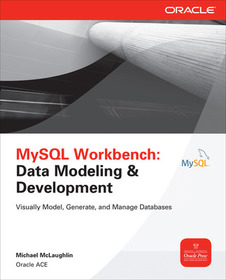
MySQL Workbench: Data Modeling & Development
Sorozatcím: Oracle Press;
-
10% KEDVEZMÉNY?
- A kedvezmény csak az 'Értesítés a kedvenc témákról' hírlevelünk címzettjeinek rendeléseire érvényes.
- Kiadói listaár GBP 49.99
-
23 882 Ft (22 745 Ft + 5% áfa)
Az ár azért becsült, mert a rendelés pillanatában nem lehet pontosan tudni, hogy a beérkezéskor milyen lesz a forint árfolyama az adott termék eredeti devizájához képest. Ha a forint romlana, kissé többet, ha javulna, kissé kevesebbet kell majd fizetnie.
- Kedvezmény(ek) 10% (cc. 2 388 Ft off)
- Kedvezményes ár 21 494 Ft (20 471 Ft + 5% áfa)
Iratkozzon fel most és részesüljön kedvezőbb árainkból!
Feliratkozom
23 882 Ft

Beszerezhetőség
Megrendelésre a kiadó utánnyomja a könyvet. Rendelhető, de a szokásosnál kicsit lassabban érkezik meg.
Why don't you give exact delivery time?
A beszerzés időigényét az eddigi tapasztalatokra alapozva adjuk meg. Azért becsült, mert a terméket külföldről hozzuk be, így a kiadó kiszolgálásának pillanatnyi gyorsaságától is függ. A megadottnál gyorsabb és lassabb szállítás is elképzelhető, de mindent megteszünk, hogy Ön a lehető leghamarabb jusson hozzá a termékhez.
A termék adatai:
- Kiadó McGraw Hill
- Megjelenés dátuma 2013. május 16.
- ISBN 9780071791885
- Kötéstípus Puhakötés
- Terjedelem480 oldal
- Méret 228x188x25 mm
- Súly 771 g
- Nyelv angol 0
Kategóriák
Rövid leírás:
The only Oracle Press guide to MySQL Workbench explains how to design and model MySQL databases.
TöbbHosszú leírás:
Publisher's Note: Products purchased from Third Party sellers are not guaranteed by the publisher for quality, authenticity, or access to any online entitlements included with the product.
The only Oracle Press guide to MySQL Workbench explains how to design and model MySQL databases.
MySQL Workbench Data Modeling and Development helps developers learn how to effectively use this powerful product for database modeling, reverse engineering, and interaction with the database without writing SQL statements. MySQL Workbench is a graphical user interface that can be used to create and maintain MySQL databases without coding. The book covers the interface and explains how to accomplish each step by illustrating best practices visually.
Clear examples, instructions, and explanations reveal, in a single volume, the art of database modeling. This Oracle Press guide shows you how to get the tool to do what you want. Annotated screen shots demonstrate all interactions with the tool, and text explains the how, what, and why of each step.
Complete coverage
Installation and Configuration; Creating and Managing Connections; Data Modeling Concepts; Creating an ERD; Defining the Physical Schemata; Creating and Managing Tables; Creating and Managing Relationships; Creating and Managing Views; Creating and Managing Routines; Creating and Managing Routine Groups; Creating and Managing User & Groups; Creating and Managing SQL Scripts; Generating SQL Scripts; Forward Engineering a Data Model; Synchronize a Model with a Database; Reverse Engineering a Database; Managing Differences in the Data Catalog; Creating and Managing Model Notes; Editing Table Data; Editing Generated Scripts; Creating New Instances; Managing Import and Export; Managing Security; Managing Server Instances
Publisher's Note: Products purchased from Third Party sellers are not guaranteed by the publisher for quality, authenticity, or access to any online entitlements included with the product.
The only Oracle Press guide to MySQL Workbench explains how to design and model MySQL databases.
MySQL Workbench Data Modeling and Development helps developers learn how to effectively use this powerful product for database modeling, reverse engineering, and interaction with the database without writing SQL statements. MySQL Workbench is a graphical user interface that can be used to create and maintain MySQL databases without coding. The book covers the interface and explains how to accomplish each step by illustrating best practices visually.
Clear examples, instructions, and explanations reveal, in a single volume, the art of database modeling. This Oracle Press guide shows you how to get the tool to do what you want. Annotated screen shots demonstrate all interactions with the tool, and text explains the how, what, and why of each step.
Complete coverage
Installation and Configuration; Creating and Managing Connections; Data Modeling Concepts; Creating an ERD; Defining the Physical Schemata; Creating and Managing Tables; Creating and Managing Relationships; Creating and Managing Views; Creating and Managing Routines; Creating and Managing Routine Groups; Creating and Managing User & Groups; Creating and Managing SQL Scripts; Generating SQL Scripts; Forward Engineering a Data Model; Synchronize a Model with a Database; Reverse Engineering a Database; Managing Differences in the Data Catalog; Creating and Managing Model Notes; Editing Table Data; Editing Generated Scripts; Creating New Instances; Managing Import and Export; Managing Security; Managing Server Instances
Tartalomjegyzék:
Part 1: Configuration
Chapter 1: Installing and Configuring
Chapter 2: Creating and Managing Connections
Part 2: Data Modeling
Chapter 3: Data Modeling Concepts
Chapter 4: Creating an ERD
Chapter 5: Defining the Physical Schemata
Chapter 6: Creating and Managing Tables
Chapter 7: Creating and Managing Relationships
Chapter 8: Creating and Managing Views
Chapter 9: Creating and Managing Routines
Chapter 10: Creating and Managing Routine Groups
Chapter 11: Creating and Managing User & Groups
Chapter 12: Creating and Managing SQL Scripts
Chapter 13: Generating SQL Scripts
Chapter 14: Forward Engineering a Data Model
Chapter 15: Synchronize a Model with a Database
Chapter 16: Reverse Engineering a Database
Chapter 17: Managing Differences in the Data Catalog
Chapter 18: Creating and Managing Model Notes
Part 3: SQL Development
Chapter 19: Editing Table Data
Chapter 20: Editing Generated Scripts
Part 4: Server Administration
Chapter 21: Creating New Instances
Chapter 22: Managing Import and Export
Chapter 23: Managing Security
Chapter 24: Managing Server Instances

