

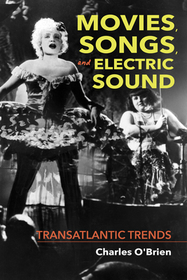
Movies, Songs, and Electric Sound – Transatlantic Trends
Transatlantic Trends
-
10% KEDVEZMÉNY?
- A kedvezmény csak az 'Értesítés a kedvenc témákról' hírlevelünk címzettjeinek rendeléseire érvényes.
- Kiadói listaár GBP 68.00
-
32 487 Ft (30 940 Ft + 5% áfa)
Az ár azért becsült, mert a rendelés pillanatában nem lehet pontosan tudni, hogy a beérkezéskor milyen lesz a forint árfolyama az adott termék eredeti devizájához képest. Ha a forint romlana, kissé többet, ha javulna, kissé kevesebbet kell majd fizetnie.
- Kedvezmény(ek) 10% (cc. 3 249 Ft off)
- Kedvezményes ár 29 238 Ft (27 846 Ft + 5% áfa)
Iratkozzon fel most és részesüljön kedvezőbb árainkból!
Feliratkozom
32 487 Ft

Beszerezhetőség
Becsült beszerzési idő: A Prosperónál jelenleg nincsen raktáron, de a kiadónál igen. Beszerzés kb. 3-5 hét..
A Prosperónál jelenleg nincsen raktáron.
Why don't you give exact delivery time?
A beszerzés időigényét az eddigi tapasztalatokra alapozva adjuk meg. Azért becsült, mert a terméket külföldről hozzuk be, így a kiadó kiszolgálásának pillanatnyi gyorsaságától is függ. A megadottnál gyorsabb és lassabb szállítás is elképzelhető, de mindent megteszünk, hogy Ön a lehető leghamarabb jusson hozzá a termékhez.
A termék adatai:
- Kiadó MH – Indiana University Press
- Megjelenés dátuma 2019. február 8.
- Kötetek száma Print PDF
- ISBN 9780253040398
- Kötéstípus Keménykötés
- Terjedelem228 oldal
- Méret 236x160x19 mm
- Súly 518 g
- Nyelv angol
- Illusztrációk 21 b&w illus., 2 music exx. Printed music items 0
Kategóriák
Hosszú leírás:
How did the introduction of recorded music affect the production, viewing experience, and global export of movies? In Movies, Songs, and Electric Sound, Charles O'Brien examines American and European musical films created circa 1930, when the world's sound-equipped theaters screened movies featuring recorded songs and filmmakers in the United States and Europe struggled to meet the artistic and technical challenges of sound production and distribution. The presence of singers in films exerted special pressures on film technique, lending a distinct look and sound to the films' musical sequences. Rather than advancing a film's plot, songs in these films were staged, filmed, and cut to facilitate the singer's engagement with her or his public. Through an examination of the export market for sound films in the early 1930s, when German and American companies used musical films as a vehicle for competing to control the world film trade, this book delineates a new transnational context for understanding the Hollywood musical. Combining archival research with the cinemetric analysis of hundreds of American, German, French, and British films made between 1927 and 1934, O'Brien provides the historical context necessary for making sense of the aesthetic impact of changes in film technology from the past to the present.
Több
