

-
10% KEDVEZMÉNY?
- A kedvezmény csak az 'Értesítés a kedvenc témákról' hírlevelünk címzettjeinek rendeléseire érvényes.
- Kiadói listaár GBP 9.99
-
4 510 Ft (4 295 Ft + 5% áfa)
Az ár azért becsült, mert a rendelés pillanatában nem lehet pontosan tudni, hogy a beérkezéskor milyen lesz a forint árfolyama az adott termék eredeti devizájához képest. Ha a forint romlana, kissé többet, ha javulna, kissé kevesebbet kell majd fizetnie.
- Kedvezmény(ek) 10% (kb. 451 Ft)
- Kedvezményes ár 4 059 Ft (3 866 Ft + 5% áfa)
Iratkozzon fel most és részesüljön kedvezőbb árainkból!
Feliratkozom
4 510 Ft

Beszerezhetőség
Becsült beszerzési idő: A Prosperónál jelenleg nincsen raktáron, de a kiadónál igen. Beszerzés kb. 3-5 hét..
A Prosperónál jelenleg nincsen raktáron.
Why don't you give exact delivery time?
A beszerzés időigényét az eddigi tapasztalatokra alapozva adjuk meg. Azért becsült, mert a terméket külföldről hozzuk be, így a kiadó kiszolgálásának pillanatnyi gyorsaságától is függ. A megadottnál gyorsabb és lassabb szállítás is elképzelhető, de mindent megteszünk, hogy Ön a lehető leghamarabb jusson hozzá a termékhez.
A termék adatai:
- Kiadó OUP Oxford
- Megjelenés dátuma 2018. november 22.
- ISBN 9780198783442
- Kötéstípus Puhakötés
- Terjedelem192 oldal
- Méret 176x109x10 mm
- Súly 150 g
- Nyelv angol
- Illusztrációk 29 black and white images 0
Kategóriák
Rövid leírás:
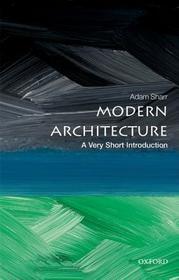
Adam Sharr tells the story of how modern architecture developed and produced its powerful cultural images. Considering the new building materials and techniques which shaped the movement, such as innovations in steel and concrete and the advent of air conditioning, he concludes by asking whether contemporary architecture remains modern at heart.
TöbbHosszú leírás:
Somewhere between 1910 and 1970, architecture changed. Now that modern architecture has become familiar (sometimes celebrated, sometimes vilified), it's hard to imagine how novel it once seemed. Expensive buildings were transformed from ornamental fancies which referred to the classical and medieval pasts into strikingly plain reflections of novel materials, functions, and technologies. Modern architecture promised the transformation of cities from overcrowded conurbations characterised by packed slums and dirty industries to spacious realms of generous housing and clean mechanised production set in parkland. At certain times and in certain cultures, it stood for the liberation of the future from the past.
This Very Short Introduction explores the technical innovations that opened-up the cultural and intellectual opportunities for modern architecture to happen. Adam Sharr shows how the invention of steel and reinforced concrete radically altered possibilities for shaping buildings, transforming what architects were able to imagine, as did new systems for air conditioning and lighting. While architects weren't responsible for these innovations, they were among the first to appreciate how they could make the world look and feel different, in connection with imagery from other spheres like modern art and industrial design. Focusing on a selection of modern buildings that also symbolize bigger cultural ideas, Sharr discusses what modern architecture was like, why it was like that, and how it was imagined. Considering the work of some of the historians and critics who helped to shape modern architecture, he demonstrates how the field owes as much to its storytellers as to its buildings.
ABOUT THE SERIES: The Very Short Introductions series from Oxford University Press contains hundreds of titles in almost every subject area. These pocket-sized books are the perfect way to get ahead in a new subject quickly. Our expert authors combine facts, analysis, perspective, new ideas, and enthusiasm to make interesting and challenging topics highly readable.
Adam Sharr has succeeded in making modern architecture modern again, with this refreshing and original account of the technological revolutions and individual designers that shaped our world from the 1850s to the 1970s. Rather than concentrate on questions and debates over style and ideology, or follow the self-promotional versions of the architects themselves, he has preferred to go to the root of the revolution: the technologies and their innovative utilization. This little book will have an effect far beyond its size, providing more than an introduction for students and the public, and for architects themselves a salutary set of careful worked case studies, from Miess IIT Campus to Rogers and Pianos Centre Pompidou.
Tartalomjegyzék:
Introduction
Iron and steel
Reinforced concrete
Brick
Light and air
Conclusion
Further reading
Bibliography
Index

