

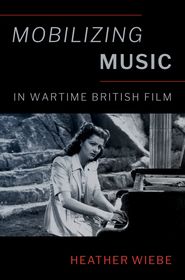
Mobilizing Music in Wartime British Film
Sorozatcím: Oxford Music / Media;
-
10% KEDVEZMÉNY?
- A kedvezmény csak az 'Értesítés a kedvenc témákról' hírlevelünk címzettjeinek rendeléseire érvényes.
- Kiadói listaár GBP 29.99
-
13 540 Ft (12 895 Ft + 5% áfa)
Az ár azért becsült, mert a rendelés pillanatában nem lehet pontosan tudni, hogy a beérkezéskor milyen lesz a forint árfolyama az adott termék eredeti devizájához képest. Ha a forint romlana, kissé többet, ha javulna, kissé kevesebbet kell majd fizetnie.
- Kedvezmény(ek) 10% (cc. 1 354 Ft off)
- Kedvezményes ár 12 186 Ft (11 606 Ft + 5% áfa)
Iratkozzon fel most és részesüljön kedvezőbb árainkból!
Feliratkozom
13 540 Ft

Beszerezhetőség
Becsült beszerzési idő: A Prosperónál jelenleg nincsen raktáron, de a kiadónál igen. Beszerzés kb. 3-5 hét..
A Prosperónál jelenleg nincsen raktáron.
Why don't you give exact delivery time?
A beszerzés időigényét az eddigi tapasztalatokra alapozva adjuk meg. Azért becsült, mert a terméket külföldről hozzuk be, így a kiadó kiszolgálásának pillanatnyi gyorsaságától is függ. A megadottnál gyorsabb és lassabb szállítás is elképzelhető, de mindent megteszünk, hogy Ön a lehető leghamarabb jusson hozzá a termékhez.
A termék adatai:
- Kiadó OUP USA
- Megjelenés dátuma 2024. december 19.
- ISBN 9780197631720
- Kötéstípus Puhakötés
- Terjedelem208 oldal
- Méret 231x155x7 mm
- Súly 340 g
- Nyelv angol
- Illusztrációk 41 b/w halftones 555
Kategóriák
Rövid leírás:
Mobilizing Music in Wartime British Film examines the preoccupation with art music and total war that animated British films of the 1940s.
TöbbHosszú leírás:
InMobilizing Music in Wartime British Film,author Heather Wiebe traces a preoccupation with art music and total war that animated British films of the 1940s. In acclaimed films such asThe Red ShoesandBrief Encounteras well as experimental documentaries, colonial propaganda films, and largely forgotten melodramas, music was persistently given a central role in the action. As this book demonstrates, these films were driven by questions around the efficacy of art music, not just in the conventional sense of uplift or morale-building, but as a sonic force acting on bodies, minds, and materials, and as a resource to be mobilized or demobilized. Wiebe explores what these films tell us about the experience of World War Two, but also about more contemporary pressures on the arts to be useful and productive. In their concerns with music and wartime life away from the battle front, these films offer insight into the affective experience of war: not just as violence and trauma, but as everyday boredom and melancholy, as loneliness, helplessness, and disappointment. Most of all, they show how music was used to test the limits of "total war," and to conceptualize its new reach into all corners of life
TöbbTartalomjegyzék:
Introduction
1. Music, Feeling, and Total War: Listen to Britain and Millions Like Us
2. “A Classic of the Masses:” The Warsaw Concerto and Dangerous Moonlight
3. Recuperating Selfhood: Love Story and Men of Two Worlds
4. Sounding Out Civilian Trauma: The Seventh Veil and Brief Encounter
5. Possessed by Music: The Glass Mountain and The Red Shoes
Filmography
Bibliography
Index

