

-
10% KEDVEZMÉNY?
- A kedvezmény csak az 'Értesítés a kedvenc témákról' hírlevelünk címzettjeinek rendeléseire érvényes.
- Kiadói listaár GBP 20.99
-
9 476 Ft (9 025 Ft + 5% áfa)
Az ár azért becsült, mert a rendelés pillanatában nem lehet pontosan tudni, hogy a beérkezéskor milyen lesz a forint árfolyama az adott termék eredeti devizájához képest. Ha a forint romlana, kissé többet, ha javulna, kissé kevesebbet kell majd fizetnie.
- Kedvezmény(ek) 10% (kb. 947 Ft)
- Kedvezményes ár 8 529 Ft (8 123 Ft + 5% áfa)
Iratkozzon fel most és részesüljön kedvezőbb árainkból!
Feliratkozom
9 476 Ft

Beszerezhetőség
Becsült beszerzési idő: A Prosperónál jelenleg nincsen raktáron, de a kiadónál igen. Beszerzés kb. 3-5 hét..
A Prosperónál jelenleg nincsen raktáron.
Why don't you give exact delivery time?
A beszerzés időigényét az eddigi tapasztalatokra alapozva adjuk meg. Azért becsült, mert a terméket külföldről hozzuk be, így a kiadó kiszolgálásának pillanatnyi gyorsaságától is függ. A megadottnál gyorsabb és lassabb szállítás is elképzelhető, de mindent megteszünk, hogy Ön a lehető leghamarabb jusson hozzá a termékhez.
A termék adatai:
- Kiadás sorszáma 3, New edition
- Kiadó Modern Language Association
- Megjelenés dátuma 2026. március 6.
- ISBN 9781603297394
- Kötéstípus Puhakötés
- Terjedelem218 oldal
- Méret 229x152 mm
- Súly 338 g
- Nyelv angol
- Illusztrációk 28 figures 879
Kategóriák
Rövid leírás:
Updated edition empowering students with practical strategies to evaluate online content, spot fake news, and analyze data. It guides learners in navigating social media and research tools while tackling ethical challenges, deepfakes, and the evolving media landscape with engaging, hands-on activities.
TöbbHosszú leírás:
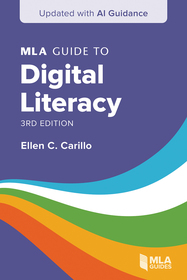
Updated edition with AI Guidance providing students with hands-on strategies for digital literacy.
The third edition of this best-selling classroom guide helps students understand why digital literacy is a crucial skill for their education, future careers, and participation in democracy. Offering practical guidance for assessing information online, this guide provides students with the tools to locate reliable sources among the clickbait and viral videos that pervade the web. The guide's hands-on activities, germane readings, and lesson plans give students strategies for reading and analyzing data visualizations; finding and evaluating credible sources; learning how to spot fake news; fact-checking; crafting a research question; effectively conducting searches on Google and on library catalogs and databases; finding peer-reviewed publications; evaluating primary sources; and understanding disinformation and misinformation, filter bubbles, propaganda, and satire in a variety of sources?including websites, social media posts, infographics, videos, and more, on platforms like Facebook, X (formerly Twitter), Instagram, TikTok, and YouTube.
New to the third edition:
? a chapter on generative AI (GenAI) including information on how GenAI is trained, uses of GenAI tools, GenAI-powered search engines, prompting GenAI, and evaluating GenAI output
? a consideration of ethical issues related to GenAI, including impacts on the environment and on intellectual property, privacy, and bias in searches
? a discussion of GenAI and plagiarism
? an updated discussion of deepfakes, fake headlines, and other forms of misinformation
? student exercises on using GenAI
? a lesson plan that invites students to reflect on the benefits and limitations of using GenAI to support their reading practices
Updated with AI Guidance
Tartalomjegyzék:
"
Acknowledgments
List of Illustrations
Preface for Instructors
Why Digital Literacy?
Features of This Guide
New to the Third Edition
The Crucial Role of Librarians
1. What Is Digital Literacy?
Principles That Inform This Guide
How This Guide Is Organized
2. Understanding Filters and Algorithms, Bots, and Visual Manipulation
Filters and Algorithms
Algorithmic Bias
Bots
Visual Manipulation
Read about It
""The Polarization of Extremes,"" by Cass R. Sunstein
3. Understanding Generative Artificial Intelligence (GenAI) Tools
What is GenAI?
How Is GenAI Trained?
Uses of GenAI Tools
GenAI and Reading
Search Engines and Additional Research Tools Powered by GenAI
Prompting GenAI
Evaluating GenAI Output
Ethical Considerations Surrounding GenAI
TRY IT
1. Ponder the benefits and limits of GenAI.
2. Research and try out a GenAI tool.
3. Practice prompting a text-based GenAI tool.
4. Create an image using GenAI.
5. Use a GenAI tool to locate sources.
4. Understanding Online Searches
What Is the Difference between the World Wide Web and the Internet?
Understanding Domain Names
Scholarly Peer Review
TRY IT
1. Represent the relation between the Internet and the World Wide Web.
2. Practice keeping track of your daily website visits.
3. Test your knowledge of domain names.
4. Ponder the role of domain names in judging credibility.
5. Review types of online information sources.
5. Conducting Online Research
Choosing Keywords to ""Catch the Tenor"" of the Conversation
Conducting Broad Searches
Conducting Narrow Searches
Navigating Google Scholar
Practicing Inclusive Search and Citation Habits
Using a Search Engine's Help Features
Searching Library Catalogs and Databases
Reviewing Your Search Results
Determining a Source's Relevance
TRY IT
1. Contemplate your role in source-driven writing.
2. Understand relevance.
3. Recognize the value of inclusive search and citation practices.
4. Practice documenting a broad search.
5. Practice narrowing online searches.
6. Go to the (Primary) Source!
What Are Primary and Secondary Sources?
I Found the Primary Source?Now What?
TRY IT
1. Practice finding primary sources.
2. Practice distinguishing primary sources from secondary sources.
3. Practice rhetorical reading.
4. Compose a rhetorical analysis of a visual source.
5. Practice writing a twenty-five-word summary.
7. Surveying the Conversation by Reading Laterally
What Is Reading Laterally?
Lateral and Vertical Reading Compared
Planning Where to Go Next
Understanding Your Biases and Emotional Responses As You Read Laterally
Recognizing Psychological Phenomena As You Read
TRY IT
1. Understand what it means to read laterally.
2. Practice reading laterally.
3. Practice recognizing your emotional responses to sources.
4. Address the implications of psychological phenomena on your research.
8. Exploring the Credibility of Sources
Exploring an Author's Credibility
Exploring a Source's Credibility through Publication Context
Recognizing Bias: A Closer Look
What about the Credibility of Wikipedia and Other Wikis?
Can GenAI Technologies Like ChatGPT Help Me Find Credible Sources?
Recognizing Misinformation and Disinformation
TRY IT
1. Practice determining an author's credibility.
2. Practice determining sources' biases.
3. Pay attention to an author's word choice.
4. Notice labeling.
5. Explore Wikipedia.
Read about It
""A Real History of Fake News,"" by John Maxwell Hamilton and Heidi Tworek
9. Working with Your Sources
How to Use Sources
Synthesizing Your Sources
Avoiding Plagiarism
TRY IT
1. Explore how an author uses sources.
2. Explore how an author contributes ideas to a conversation.
3. Practice using sources for more than support.
4. Annotate to reflect on your use of sources.
5. Conduct research about how a discipline uses sources.
10. Additional Strategies and Resources
Fact-Checking Websites and Chatbots
Conducting Reverse Searches
GenAI Resources
TRY IT
1. Ponder the uses of reverse searches.
2. Practice conducting a reverse image search.
3. Practice using fact-checking sites.
4. Locate other fact-checking sites and determine their biases.
5. Determine hoaxes.
11. Composing in Digital Spaces
Drawing on What You Already Know about Digital Composition
Creating Multimodal Projects in Digital Spaces
Rhetorical Considerations for Multimodal Composing in Digital Spaces
Additional Considerations for Composing in Digital Spaces
TRY IT
1. Identify the five modes of communication.
2. Practice working with the modes of communication.
3. Practice conveying a visual argument.
4. Understand accessibility.
5. Define Creative Commons licensing.
12. Customizing Your Online Experience
Adjusting Your Preferences
Making Informed Decisions about Social Media Platforms
Using Sharing, Liking, and Other Social Signals to Your Advantage
Avoiding Clickbait
TRY IT
1. Ponder the value of customizing your online experience.
2. Research social media platforms.
3. Practice adjusting filters
4. Develop clickbait headlines.
5. Recognize how clickbait works.
Appendix: Sample Lesson Plans
Lesson Plan 1: Searching for Sources and Analyzing Their Credibility
Lesson Plan 2: Reading Sources
Lesson Plan 3: Exploring the Concept of Fake News
Lesson Plan 4: Understanding Algorithmic Bias and Personalization
Lesson Plan 5: Reading Rhetorically with GenAI
Works Cited
Index

