
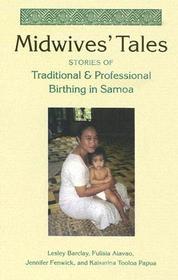
Midwives` Tales – Stories of Traditional and Professional Birthing in Samoa
Stories of Traditional and Professional Birthing in Samoa
-
10% KEDVEZMÉNY?
- A kedvezmény csak az 'Értesítés a kedvenc témákról' hírlevelünk címzettjeinek rendeléseire érvényes.
- Kiadói listaár GBP 80.00
-
38 220 Ft (36 400 Ft + 5% áfa)
Az ár azért becsült, mert a rendelés pillanatában nem lehet pontosan tudni, hogy a beérkezéskor milyen lesz a forint árfolyama az adott termék eredeti devizájához képest. Ha a forint romlana, kissé többet, ha javulna, kissé kevesebbet kell majd fizetnie.
- Kedvezmény(ek) 10% (cc. 3 822 Ft off)
- Kedvezményes ár 34 398 Ft (32 760 Ft + 5% áfa)
Iratkozzon fel most és részesüljön kedvezőbb árainkból!
Feliratkozom
38 220 Ft
Beszerezhetőség
Még nem jelent meg, de rendelhető. A megjelenéstől számított néhány héten belül megérkezik.
Why don't you give exact delivery time?
A beszerzés időigényét az eddigi tapasztalatokra alapozva adjuk meg. Azért becsült, mert a terméket külföldről hozzuk be, így a kiadó kiszolgálásának pillanatnyi gyorsaságától is függ. A megadottnál gyorsabb és lassabb szállítás is elképzelhető, de mindent megteszünk, hogy Ön a lehető leghamarabb jusson hozzá a termékhez.
A termék adatai:
- Kiadó University of Chicago Press
- Megjelenés dátuma 2026. március 25.
- Kötetek száma Hardback
- ISBN 9780826514967
- Kötéstípus Keménykötés
- Terjedelem248 oldal
- Méret 228x152 mm
- Súly 333 g
- Nyelv angol
- Illusztrációk 15 b&w photos 700
Kategóriák
Rövid leírás:
The result of a ten-year collaboration between Australian and Samoan researchers and midwives, this book compiles the first-person stories of several generations of Samoan midwives, both those who use traditional techniques for home birth and those who use Western techniques in a hospital
TöbbHosszú leírás:
The result of a ten-year collaboration between Australian and Samoan researchers and midwives, this book compiles the first-person stories of several generations of Samoan midwives, both those who use traditional techniques for home birth and those who use Western techniques in a hospital. The voices are vivid and varied, often displaying the Samoan gift for storytelling. The overall picture of changing birthing practices is complex and sometimes tinged with ironies. As the introduction says, ""These Samoan nurses and midwives did not immediately attempt to mediate new and old ways of birthing after the colonial leadership of their profession left. They themselves became cultural agents for change as they continued the role of 'colonizing' their own birth tradition and taught the fa'atosaga [Samoan for midwife] Western techniques, at the same time trying to provide a professional midwife for all women. Paradoxically they often chose a social midwife for their own births and supported or at least condoned the social midwives close to them...Kaisarina, while working as the leading professional midwife in the country, and working almost totally in hospital practice herself, simultaneously assisted her mother-in-law with her social practice of midwifery. Vipulo's story shows how a professional midwife preferred to have her mother, a social midwife, deliver her at home."" A particular objective of the authors is to encourage a reconception of maternity care in countries where professional services are rare and not available to all women. The book challenges common assumptions, still held in many postcolonial countries, that a simple migration of Western-style, hospital-focused care is necessarily always an achievable or desirable goal. It also demonstrates the considerable progress that one group has made in rethinking and developing a model of maternity care that works within their society and culture. As these midwives' stories suggest, solutions to some of the problems caused by gaps in the kinds of resources that Westerners take for granted can be found in partnerships and cultural wisdom that already exist in Samoa and, by extension, other developing countries.
Több