

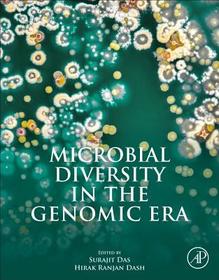
Microbial Diversity in the Genomic Era
-
10% KEDVEZMÉNY?
- A kedvezmény csak az 'Értesítés a kedvenc témákról' hírlevelünk címzettjeinek rendeléseire érvényes.
- Kiadói listaár EUR 131.00
-
54 332 Ft (51 745 Ft + 5% áfa)
Az ár azért becsült, mert a rendelés pillanatában nem lehet pontosan tudni, hogy a beérkezéskor milyen lesz a forint árfolyama az adott termék eredeti devizájához képest. Ha a forint romlana, kissé többet, ha javulna, kissé kevesebbet kell majd fizetnie.
- Kedvezmény(ek) 10% (cc. 5 433 Ft off)
- Kedvezményes ár 48 899 Ft (46 571 Ft + 5% áfa)
Iratkozzon fel most és részesüljön kedvezőbb árainkból!
Feliratkozom
54 332 Ft

Beszerezhetőség
Megrendelésre a kiadó utánnyomja a könyvet. Rendelhető, de a szokásosnál kicsit lassabban érkezik meg.
Why don't you give exact delivery time?
A beszerzés időigényét az eddigi tapasztalatokra alapozva adjuk meg. Azért becsült, mert a terméket külföldről hozzuk be, így a kiadó kiszolgálásának pillanatnyi gyorsaságától is függ. A megadottnál gyorsabb és lassabb szállítás is elképzelhető, de mindent megteszünk, hogy Ön a lehető leghamarabb jusson hozzá a termékhez.
A termék adatai:
- Kiadó Elsevier Science
- Megjelenés dátuma 2018. október 18.
- ISBN 9780128148495
- Kötéstípus Puhakötés
- Terjedelem710 oldal
- Méret 276x215 mm
- Súly 1950 g
- Nyelv angol 0
Kategóriák
Hosszú leírás:
Microbial Diversity in the Genomic Era presents insights on the techniques used for microbial taxonomy and phylogeny, along with their applications and respective pros and cons. Though many advanced techniques for the identification of any unknown bacterium are available in the genomics era, a far fewer number of the total microbial species have been discovered and identified to date. The assessment of microbial taxonomy and biosystematics techniques discovered and practiced in the current genomics era with suitable recommendations is the prime focus of this book.
TöbbTartalomjegyzék:
Section I: Overview of microbial diversity
1.1 Methods of assessment of microbial diversity in natural environments
1.2 Metagenomic Achievements in Microbial Diversity Determination in Croplands: A Review
1.3 Genomic diversity and evolution of rhizobia
1.4 Microbial biodiversity study of a brackish water ecosystem in eastern India: The Chilika Lake
1.5 Microbial diversity and community analysis of Sundarban mangrove, the world heritage site
Section II: Molecular tools in microbial diversity
2.1Analysing Functional Microbial Diversity: An Overview of Techniques
2.2 Genetic analysis of the bacterioplankton biology and ecology through next-generation high-throughput molecular techniques
ï¿1⁄2 Gurdeep Rastogi, Pratiksha Behera, and Madhusmita Mohapatra
2.3 Molecular tools in microbial diversity: Functional assessment tool of genome and metagenome by MAPLE
2.4 A polyphasic taxonomic approach for designation and description of novel microbial species
2.5 Biochemical strategies to counter nitrosative stress: Nanofactories for value-added products
2.6 Exploring microbial diversity and function in petroleum hydrocarbon associated environments through Omics approaches
Section III: Extremophilic microbial diversity
3.1 Diversity of Psychrophilic Bacteria in Sea and Glacier Ice environments - Insights through Genomics, Metagenomics and Proteomics Approaches
3.2 Microbial diversity of thermophiles through the lens of next generation sequencing
3.3 Microbial ecology in extreme acidic environments: use of molecular tools
3.4 Alkaliphiles: Diversity and bioprospection
3.5Cyanobacteria from Brazilian extreme environments: toward functional exploitation
3.6 Comparative genomics of Halobacterium strains from diverse locations
3.7 Microbial community dynamics of extremophiles/extreme environment
3.8 Opening the black box of thermophilic autotrophic bacterial diversity
Section IV: Functional Microbial Diversity
4.1Functional microbial diversity in context to agriculture
4.2 Functional microbial diversity in contaminated environment and application in bioremediation
4.3 Structural and functional diversity of microbial metallothionein genes
4.4 Functional diversity of bacterial strategies to cope with metal toxicity
4.5 Functional microbial diversity: Functional genomics and metagenomics using MAPLE
4.6 Linking the environmental microbial diversity and antibiotic resistance
4.7 Applications of metagenomics in microbial bioremediation of pollutants: From genomics to environmental cleanup
Section V: Microbial diversity and infectious diseases
5.1 Molecular techniques for diagnosis of bacterial plant pathogens
5.2 Molecular techniques for the study of microbial diversity with special emphasis on drug resistant microbes
5.3 Exploring human bacterial diversity towards prevention of infectious disease and health promotion
5.4 Prevalence of Multidrug Resistance Efflux Pumps (MDREPs) in Environmental Communities
5.5 Pathogenic microbial genetic diversity with reference to significant medical and public health
Section VI: Future directions of microbial diversity studies
6.1 Understanding the structure and function of extreme microbiome through genomics: scope and challenges
6.2 The role and future possibilities of next-generation sequencing in studying microbial diversity
6.3 Taxonomical diversity of extremophiles in the deep biosphere
6.4 Molecular evolution of Xenobiotic-degrading genes and mobile DNA elements in soil bacteria

