

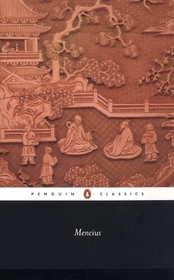
Mencius
Sorozatcím: Penguin Classics;
-
20% KEDVEZMÉNY?
- Kiadói listaár GBP 12.99
-
6 205 Ft (5 910 Ft + 5% áfa)
Az ár azért becsült, mert a rendelés pillanatában nem lehet pontosan tudni, hogy a beérkezéskor milyen lesz a forint árfolyama az adott termék eredeti devizájához képest. Ha a forint romlana, kissé többet, ha javulna, kissé kevesebbet kell majd fizetnie.
- Kedvezmény(ek) 20% (cc. 1 241 Ft off)
- Kedvezményes ár 4 964 Ft (4 728 Ft + 5% áfa)
- A kedvezmény érvényes eddig: 2026. május 31.
4 964 Ft

Beszerezhetőség
Bizonytalan a beszerezhetőség. Érdemes még egyszer keresni szerzővel és címmel. Ha nem talál másik, kapható kiadást, forduljon ügyfélszolgálatunkhoz!
Why don't you give exact delivery time?
A beszerzés időigényét az eddigi tapasztalatokra alapozva adjuk meg. Azért becsült, mert a terméket külföldről hozzuk be, így a kiadó kiszolgálásának pillanatnyi gyorsaságától is függ. A megadottnál gyorsabb és lassabb szállítás is elképzelhető, de mindent megteszünk, hogy Ön a lehető leghamarabb jusson hozzá a termékhez.
A termék adatai:
- Kiadás sorszáma Revised
- Kiadó Penguin Books Ltd
- Megjelenés dátuma 2004. október 28.
- Kötetek száma B-format paperback
- ISBN 9780140449716
- Kötéstípus Puhakötés
- Terjedelem304 oldal
- Méret 198x129x17 mm
- Súly 226 g
- Nyelv angol 0
Kategóriák
Hosszú leírás:
Mencius was one of the great philosophers of ancient China, second only in influence to Confucius, whose teachings he defended and expanded. The Mencius, in which he recounts his dialogues with kings, dukes and military men, as well as other philosophers, is one of the Four Books that make up the essential Confucian corpus. It takes up Confucius's theories of jen, or goodness and yi, righteousness, explaining that the individual can achieve harmony with mankind and the universe by perfecting his innate moral nature and acting with benevolence and justice. Mencius' strikingly modern views on the duties of subjects and their rulers or the evils of war, created a Confucian orthodoxy that has remained intact since the third century BCE.
Több
