

-
10% KEDVEZMÉNY?
- A kedvezmény csak az 'Értesítés a kedvenc témákról' hírlevelünk címzettjeinek rendeléseire érvényes.
- Kiadói listaár GBP 42.99
-
19 409 Ft (18 485 Ft + 5% áfa)
Az ár azért becsült, mert a rendelés pillanatában nem lehet pontosan tudni, hogy a beérkezéskor milyen lesz a forint árfolyama az adott termék eredeti devizájához képest. Ha a forint romlana, kissé többet, ha javulna, kissé kevesebbet kell majd fizetnie.
- Kedvezmény(ek) 10% (kb. 1 941 Ft)
- Kedvezményes ár 17 468 Ft (16 637 Ft + 5% áfa)
Iratkozzon fel most és részesüljön kedvezőbb árainkból!
Feliratkozom
19 409 Ft

Beszerezhetőség
Becsült beszerzési idő: A Prosperónál jelenleg nincsen raktáron, de a kiadónál igen. Beszerzés kb. 3-5 hét..
A Prosperónál jelenleg nincsen raktáron.
Why don't you give exact delivery time?
A beszerzés időigényét az eddigi tapasztalatokra alapozva adjuk meg. Azért becsült, mert a terméket külföldről hozzuk be, így a kiadó kiszolgálásának pillanatnyi gyorsaságától is függ. A megadottnál gyorsabb és lassabb szállítás is elképzelhető, de mindent megteszünk, hogy Ön a lehető leghamarabb jusson hozzá a termékhez.
A termék adatai:
- Kiadás sorszáma 3
- Kiadó OUP USA
- Megjelenés dátuma 2019. november 15.
- ISBN 9780190926670
- Kötéstípus Puhakötés
- Terjedelem192 oldal
- Méret 277x213x10 mm
- Súly 499 g
- Nyelv angol 0
Kategóriák
Rövid leírás:
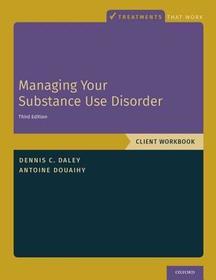
The third edition of Managing Your Substance Use Disorder provides the reader with practical information and skills to help them understand and change a drug or alcohol problem.
TöbbHosszú leírás:
Managing Your Substance Use Disorder: Client Workbook is an interactive recovery guide that engages readers who have a substance use disorder in an active process of learning strategies to manage the daily challenges of sobriety and recovery and to reduce the risk of lapse and relapse. Designed to accompany Managing Substance Use Disorder: Practitioner Guide, this Workbook provides detailed information about substances of use, reader-friendly checklists, and engaging activities in order to personalize the reader's recovery plan. The book then reviews current trends in substance use and disorders, causes and effects of these disorders, substance related disorders, treatment approaches (medications and psychosocial), mutual support programs, and the impact of substance use on the family and concerned significant others, and integrates the best scientifically-supported interventions with the authors' extensive experiences as scientist-clinicians. This Workbook addresses the most common challenges faced by individuals with substance use disorders, such as managing cravings, resisting social pressures to use, coping with negative emotions and moods, building a social support network, involving family or concerned significant others, and reducing lapse and relapse risk.
This is a terrific book by two authors, Dennis Daley and Antoine Douaihy, who are both well-known experts in the field. Its interactive nature, reader-friendly style, and up-to-date information about the best current evidence in the field, all add up to a valuable contribution to the literature. I highly recommend this book.
Tartalomjegyzék:
Overview of Substance Use Problems and Assessment
Chapter 1: Introduction and Plan for This Workbook
Chapter 2: Recognizing Your Substance Use Problem
Chapter 3: Recognizing Consequences of Your Substance Use
Change Issues and Strategies
Chapter 4: Treatment Settings for Substance Use Problems
Chapter 5: Stages of Change
Chapter 6: How to Use Therapy or Counseling
Chapter 7: Overview of Goal Planning
Chapter 8: Managing Cravings and Urges to Use Substances
Chapter 9: Managing Thoughts of Using Substances
Chapter 10: Managing Emotions
Chapter 11: Refusing Offers to Use Substances
Chapter 12: Dealing With Family and Interpersonal Problems
Chapter 13: Building a Recovery Support System
Chapter 14: Mutual Support Programs and Recovery Clubs
Chapter 15: Medications for Substance Use Disorders
Relapse Prevention, Progress Measurement, and Co-occurring Psychiatric Disorders
Chapter 16: Relapse Prevention: Reducing the Risk of Relapse
Chapter 17: Relapse Management: What to Do if You Lapse or Relapse
Chapter 18: Strategies for Balanced Living
Chapter 19: Measuring Your Progress
Chapter 20: Managing a Co-occurring Psychiatric Disorder
Appendix
References and Suggested Readings
About the Authors

