

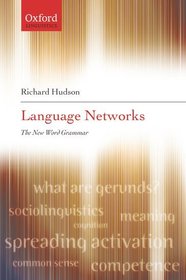
-
10% KEDVEZMÉNY?
- A kedvezmény csak az 'Értesítés a kedvenc témákról' hírlevelünk címzettjeinek rendeléseire érvényes.
- Kiadói listaár GBP 63.00
-
28 444 Ft (27 090 Ft + 5% áfa)
Az ár azért becsült, mert a rendelés pillanatában nem lehet pontosan tudni, hogy a beérkezéskor milyen lesz a forint árfolyama az adott termék eredeti devizájához képest. Ha a forint romlana, kissé többet, ha javulna, kissé kevesebbet kell majd fizetnie.
- Kedvezmény(ek) 10% (kb. 2 844 Ft)
- Kedvezményes ár 25 600 Ft (24 381 Ft + 5% áfa)
Iratkozzon fel most és részesüljön kedvezőbb árainkból!
Feliratkozom
28 444 Ft

Beszerezhetőség
Megrendelésre a kiadó utánnyomja a könyvet. Rendelhető, de a szokásosnál kicsit lassabban érkezik meg.
Why don't you give exact delivery time?
A beszerzés időigényét az eddigi tapasztalatokra alapozva adjuk meg. Azért becsült, mert a terméket külföldről hozzuk be, így a kiadó kiszolgálásának pillanatnyi gyorsaságától is függ. A megadottnál gyorsabb és lassabb szállítás is elképzelhető, de mindent megteszünk, hogy Ön a lehető leghamarabb jusson hozzá a termékhez.
A termék adatai:
- Kiadó OUP Oxford
- Megjelenés dátuma 2006. november 30.
- ISBN 9780199267309
- Kötéstípus Keménykötés
- Terjedelem288 oldal
- Méret 240x160x25 mm
- Súly 579 g
- Nyelv angol
- Illusztrációk numerous figures and tables 0
Kategóriák
Rövid leírás:
This book presents a new theory of how we learn and use our knowledge of language and puts this to work in explorations of morphology, syntax, semantics, and sociolinguistics. It introduces the latest version of the author's influential theory of Word Grammar and shows how it can be used to explain the operations of language and as a key to understanding the associated operations of the mind. Language Networks will interest all those concerned with the acquisition and workings of language.
TöbbHosszú leírás:
This book argues that language is a network of concepts which in turn is part of the general cognitive network of the mind. It challenges the widely-held view that language is an innate mental module with its own special internal organization. It shows that language has the same internal organization as other areas of knowledge such as social relations and action schemas, and reveals the rich links between linguistic elements and contextual categories.
Professor Hudson presents a new theory of how we learn and use our knowledge of language. He puts this to work in a series of extended explorations of morphology, syntax, semantics, and sociolinguistics. Every step of his argument and exposition is illustrated with examples, including the kind mainstream theory finds it hard to analyse. He introduces the latest version of his influential theory of Word Grammar and shows how it can be used to explain the operations of language and as a key to understanding the associated operations of the mind.
Well made and nicely presented...this book is clearly written in accessible prose and the arguments move forwards in a straightforward stepwise manner. There is a useful index and a very full bibliography.
Tartalomjegyzék:
Introduction
Morphology
Syntax
Gerunds
Meaning: Semantics and Sociolinguistics
References
Index

