
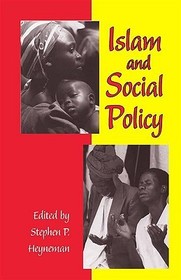
Islam and Social Policy
-
10% KEDVEZMÉNY?
- A kedvezmény csak az 'Értesítés a kedvenc témákról' hírlevelünk címzettjeinek rendeléseire érvényes.
- Kiadói listaár GBP 32.00
-
15 288 Ft (14 560 Ft + 5% áfa)
Az ár azért becsült, mert a rendelés pillanatában nem lehet pontosan tudni, hogy a beérkezéskor milyen lesz a forint árfolyama az adott termék eredeti devizájához képest. Ha a forint romlana, kissé többet, ha javulna, kissé kevesebbet kell majd fizetnie.
- Kedvezmény(ek) 10% (cc. 1 529 Ft off)
- Kedvezményes ár 13 759 Ft (13 104 Ft + 5% áfa)
Iratkozzon fel most és részesüljön kedvezőbb árainkból!
Feliratkozom
15 288 Ft
Beszerezhetőség
Még nem jelent meg, de rendelhető. A megjelenéstől számított néhány héten belül megérkezik.
Why don't you give exact delivery time?
A beszerzés időigényét az eddigi tapasztalatokra alapozva adjuk meg. Azért becsült, mert a terméket külföldről hozzuk be, így a kiadó kiszolgálásának pillanatnyi gyorsaságától is függ. A megadottnál gyorsabb és lassabb szállítás is elképzelhető, de mindent megteszünk, hogy Ön a lehető leghamarabb jusson hozzá a termékhez.
A termék adatai:
- Kiadó University of Chicago Press
- Megjelenés dátuma 2026. február 24.
- Kötetek száma Paperback
- ISBN 9780826514479
- Kötéstípus Puhakötés
- Terjedelem232 oldal
- Méret 203x127x15 mm
- Súly 690 g
- Nyelv angol 700
Kategóriák
Rövid leírás:
A discussion of how Muslim communities respond to social problems, including the rights of women, charity, education and general social welfare. The essays demonstrate how Islam offers guidance on these and other issues.
TöbbHosszú leírás:
At a time when more nuanced understandings of Muslim countries and their legal and social practices are urgently needed in the West, the appearance of this collection is especially welcome. In these illuminating and accessible essays, the contributors explain how Islam sees itself in terms of social policy, how it treats women, and how it encourages charity, education, and general social welfare. The essays encompass many regional cultures and draw on court records and legal debates, field work on government ministries, and an extensive reading of Islamic law. In his overview of waqf (similar to the Western idea of a foundation, in which an endowment is set aside in perpetuity for specified purposes), Ahmad Dallal explains how charity, a central organizing principle in Islam, is itself organized and how waqf, traditionally a source of revenue for charitable purposes, can also become a source of tension and conflict. Donna Lee Bowen, in her essay on the position of women in Islamic law, points out the crucial differences between the Islamic principles of family equity and the Western notion of individual equality. In a subsequent essay, Bowen addresses the problems surrounding family planning and the dilemmas that have arisen within the Muslim world over differing ideas about birth control. The two final essays look at specific instances of how the modern state has treated Islamic social policy. Gall Richardson examines zakat, an Islamic tax used to assist the poor, and its administration in Pakistan. Carol Underwood, meanwhile, explores public health policy in Iran, both before and after the Islamic revolution that deposed the Shah. Addressing some of the most profound misunderstandings between Islamic and Western societies, Islam And Social Policy will be of vital interest not only to scholars and policymakers but to anyone concerned with Islam's critical place in the modern world. Stephen P. Heyneman is a professor of international education policy at Vanderbilt University. From 1976 to 1998, he helped design and implement education policies for the World Bank. He is the editor or author of a number of reports on international education, economic and social policy.
Több