

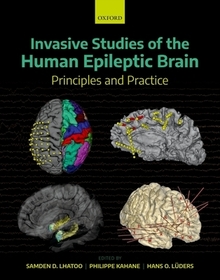
Invasive Studies of the Human Epileptic Brain
Principles and Practice
-
10% KEDVEZMÉNY?
- A kedvezmény csak az 'Értesítés a kedvenc témákról' hírlevelünk címzettjeinek rendeléseire érvényes.
- Kiadói listaár GBP 237.50
-
113 465 Ft (108 062 Ft + 5% áfa)
Az ár azért becsült, mert a rendelés pillanatában nem lehet pontosan tudni, hogy a beérkezéskor milyen lesz a forint árfolyama az adott termék eredeti devizájához képest. Ha a forint romlana, kissé többet, ha javulna, kissé kevesebbet kell majd fizetnie.
- Kedvezmény(ek) 10% (cc. 11 347 Ft off)
- Kedvezményes ár 102 119 Ft (97 256 Ft + 5% áfa)
Iratkozzon fel most és részesüljön kedvezőbb árainkból!
Feliratkozom
113 465 Ft

Beszerezhetőség
Bizonytalan a beszerezhetőség. Érdemes még egyszer keresni szerzővel és címmel. Ha nem talál másik, kapható kiadást, forduljon ügyfélszolgálatunkhoz!
Why don't you give exact delivery time?
A beszerzés időigényét az eddigi tapasztalatokra alapozva adjuk meg. Azért becsült, mert a terméket külföldről hozzuk be, így a kiadó kiszolgálásának pillanatnyi gyorsaságától is függ. A megadottnál gyorsabb és lassabb szállítás is elképzelhető, de mindent megteszünk, hogy Ön a lehető leghamarabb jusson hozzá a termékhez.
A termék adatai:
- Kiadó Oxford University Press
- Megjelenés dátuma 2018. november 20.
- ISBN 9780198714668
- Kötéstípus Keménykötés
- Terjedelem576 oldal
- Méret 278x227x30 mm
- Súly 1648 g
- Nyelv angol 0
Kategóriák
Rövid leírás:
Invasive Studies of the Human Epileptic Brain is the definitive reference text on the use of invasive electroencephalographic (EEG) diagnostic studies in human epilepsy.
TöbbHosszú leírás:
No other neurological condition allows the same opportunities for an intracranial electrophysiological study of the human brain as epilepsy does. Epileptic surgery is designed to remove the epileptic focus from the human brain, thereby effecting either cure or substantial reduction of seizures in an individual with an otherwise intractable condition. Its use as a treatment modality dates from the late 19th century, and it has become a widely used treatment option
throughout the world in the last 20-30 years. The complexity of epilepsy cases in surgical centres, and the need for invasive electrode studies for pre-surgical evaluation, are both greatly increasing.
Invasive Studies of the Human Epileptic Brain is the definitive reference text on the use of invasive electroencephalographic (EEG) diagnostic studies in human epilepsy. Written by some of the most renowned epilepsy experts of the 20th and 21st centuries, the authors provide their expertise and insights into the identification and mapping of intracranial epileptiform and non-epileptiform activity, mapping of the human brain function, and approaches in the use of invasive
electroencephalography in a variety of clinical situations.
The book is organized into an easily readable series of chapters and is brilliantly illustrated with case studies; each providing an intuitively comprehensive approach to invasive brain studies.
This is an extremely useful book for those seeking multidisciplinary knowledge of invasive epilepsy recording. Its comprehensiveness will prove useful for those seeking to better collaboration through mutual understanding. For those in clinical practice, the organization of topics will enable effective review in a clinically relevant manner. Nealen G. Laxpati, Neurosurgery

