

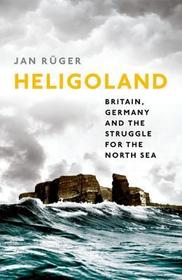
Heligoland
Britain, Germany, and the Struggle for the North Sea
-
10% KEDVEZMÉNY?
- A kedvezmény csak az 'Értesítés a kedvenc témákról' hírlevelünk címzettjeinek rendeléseire érvényes.
- Kiadói listaár GBP 29.99
-
13 540 Ft (12 895 Ft + 5% áfa)
Az ár azért becsült, mert a rendelés pillanatában nem lehet pontosan tudni, hogy a beérkezéskor milyen lesz a forint árfolyama az adott termék eredeti devizájához képest. Ha a forint romlana, kissé többet, ha javulna, kissé kevesebbet kell majd fizetnie.
- Kedvezmény(ek) 10% (cc. 1 354 Ft off)
- Kedvezményes ár 12 186 Ft (11 606 Ft + 5% áfa)
Iratkozzon fel most és részesüljön kedvezőbb árainkból!
Feliratkozom
13 540 Ft

Beszerezhetőség
Becsült beszerzési idő: A Prosperónál jelenleg nincsen raktáron, de a kiadónál igen. Beszerzés kb. 3-5 hét..
A Prosperónál jelenleg nincsen raktáron.
Why don't you give exact delivery time?
A beszerzés időigényét az eddigi tapasztalatokra alapozva adjuk meg. Azért becsült, mert a terméket külföldről hozzuk be, így a kiadó kiszolgálásának pillanatnyi gyorsaságától is függ. A megadottnál gyorsabb és lassabb szállítás is elképzelhető, de mindent megteszünk, hogy Ön a lehető leghamarabb jusson hozzá a termékhez.
A termék adatai:
- Kiadó OUP Oxford
- Megjelenés dátuma 2017. január 12.
- ISBN 9780199672462
- Kötéstípus Keménykötés
- Terjedelem384 oldal
- Méret 242x162x33 mm
- Súly 646 g
- Nyelv angol
- Illusztrációk 29 black & white illustrations, 1 map 0
Kategóriák
Rövid leírás:
The story of Heligoland, the North Sea island which for generations stood as a symbol of Anglo-German conflict. A fascinating microcosm of a long and often troubled relationship, covering two centuries and two world wars.
TöbbHosszú leírás:
On 18 April 1947, British forces set off the largest non-nuclear explosion in history. The target was a small island in the North Sea, thirty miles off the German coast, which for generations had stood as a symbol of Anglo-German conflict: Heligoland.
A long tradition of rivalry was to come to an end here, in the ruins of Hitler's island fortress. Pressed as to why it was not prepared to give Heligoland back, the British government declared that the island represented everything that was wrong with the Germans: 'If any tradition was worth breaking, and if any sentiment was worth changing, then the German sentiment about Heligoland was such a one'.
Drawing on a wide range of archival material, Jan Rüger explores how Britain and Germany have collided and collaborated in this North Sea enclave. For much of the nineteenth century, this was Britain's smallest colony, an inconvenient and notoriously discontented outpost at the edge of Europe. Situated at the fault line between imperial and national histories, the island became a metaphor for Anglo-German rivalry once Germany acquired it in 1890. Turned into a naval stronghold under the Kaiser and again under Hitler, it was fought over in both world wars. Heavy bombardment by the Allies reduced it to ruins, until the Royal Navy re-took it in May 1945. Returned to West Germany in 1952, it became a showpiece of reconciliation, but one that continues to bear the scars of the twentieth century.
Tracing this rich history of contact and conflict from the Napoleonic Wars to the Cold War, Heligoland brings to life a fascinating microcosm of the Anglo-German relationship. For generations this cliff-bound island expressed a German will to bully and battle Britain; and it mirrored a British determination to prevent Germany from establishing hegemony on the Continent. Caught in between were the Heligolanders and those involved with them: spies and smugglers, poets and painters, sailors and soldiers.
Heligoland is the compelling story of a relationship which has defined modern Europe.
The breadth of research - from areas as diverse as music, art, and literature, to naval planning and Nazi propaganda - is impressive, as is the authors skill in selecting what to leave out in what might easily have become an unwieldy study. Heligoland is a valuable addition to the literature to Anglo-German affairs since 1800, and one which - due to its inclusivity and breadth- will be of interest to all scholars interested in either country or indeed the history of Europe, in that period.
Tartalomjegyzék:
Prologue: Between Worlds
Edge of Europe
Nation and Empire
A Matter of Sentiment
Making Germans
Island Fortress
To Heligoland and Back
Disarming Germany
Hitler's Island
Out of Ruins
Epilogue: No More Heligolands
List of Abbreviations
Notes
Sources
Acknowledgements
Picture Credits
Index

