

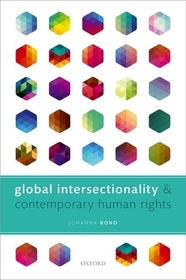
Global Intersectionality and Contemporary Human Rights
-
10% KEDVEZMÉNY?
- A kedvezmény csak az 'Értesítés a kedvenc témákról' hírlevelünk címzettjeinek rendeléseire érvényes.
- Kiadói listaár GBP 105.00
-
50 163 Ft (47 775 Ft + 5% áfa)
Az ár azért becsült, mert a rendelés pillanatában nem lehet pontosan tudni, hogy a beérkezéskor milyen lesz a forint árfolyama az adott termék eredeti devizájához képest. Ha a forint romlana, kissé többet, ha javulna, kissé kevesebbet kell majd fizetnie.
- Kedvezmény(ek) 10% (cc. 5 016 Ft off)
- Kedvezményes ár 45 147 Ft (42 998 Ft + 5% áfa)
Iratkozzon fel most és részesüljön kedvezőbb árainkból!
Feliratkozom
50 163 Ft

Beszerezhetőség
Becsült beszerzési idő: A Prosperónál jelenleg nincsen raktáron, de a kiadónál igen. Beszerzés kb. 3-5 hét..
A Prosperónál jelenleg nincsen raktáron.
Why don't you give exact delivery time?
A beszerzés időigényét az eddigi tapasztalatokra alapozva adjuk meg. Azért becsült, mert a terméket külföldről hozzuk be, így a kiadó kiszolgálásának pillanatnyi gyorsaságától is függ. A megadottnál gyorsabb és lassabb szállítás is elképzelhető, de mindent megteszünk, hogy Ön a lehető leghamarabb jusson hozzá a termékhez.
A termék adatai:
- Kiadó OUP Oxford
- Megjelenés dátuma 2021. július 22.
- ISBN 9780198868835
- Kötéstípus Keménykötés
- Terjedelem274 oldal
- Méret 240x163x20 mm
- Súly 554 g
- Nyelv angol 131
Kategóriák
Rövid leírás:
This title offers a new way to think about human rights and the type of harm caused by discrimination globally. It traces the growing recognition of intersectionality in the work of human rights organizations around the world. This work argues that these groups should look for ways to fully incorporate intersectional analysis into the work they do.
TöbbHosszú leírás:
Global Intersectionality and Contemporary Human Rights argues for an expansive definition of human rights, one that encompasses the harm caused by multiple, intersecting forms of subordination. Intersectionality theory posits that aspects of identity, such as race and gender, are mutually constitutive and intersect to create unique experiences of discrimination and subordination. Perpetrators of sexual violence in armed conflict, of example, often target women based on both gender and ethnicity. Human rights remedies that fail to capture the intersectional nature of human rights violations do not offer comprehensive redress to victims.
This title explores the influence of intersectionality theory on human rights in the modern era and traces the evolution of intersectionality as a theoretical framework in the United States and around the world. It draws upon feminist theory and human rights jurisprudence to argue that scholars and activists have under-utilized intersectionality theory in the global discourse of human rights. As the central intergovernmental organization charged with the protection of human rights, the United Nations has been slow to embrace the insights gained from intersectionality theory. This work argues that the United Nations and other human rights organizations must more actively embrace intersectionality as an analytical framework in order to fully address the complexity of human rights violations around the world.
Tartalomjegyzék:
Introduction
Foundations of Intersectionality Theory
Global Application of Intersectionality Theory
Evolution of Intersectionality in the UN Treaty Bodies
Intersectionality and Human Rights within Regional Human Rights Systems
Intersectionality in Treaty Body Decisions
Intersectionality in the State Reporting Process
Putting Intersectionality to Work: Nongovernmental Organizations
Strategies for Reform: Facilitating Intersectionality in Human Rights Advocacy
Conclusion

