

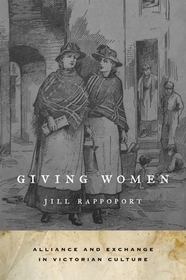
Giving Women
Alliance and Exchange in Victorian Culture
-
10% KEDVEZMÉNY?
- A kedvezmény csak az 'Értesítés a kedvenc témákról' hírlevelünk címzettjeinek rendeléseire érvényes.
- Kiadói listaár GBP 97.00
-
46 341 Ft (44 135 Ft + 5% áfa)
Az ár azért becsült, mert a rendelés pillanatában nem lehet pontosan tudni, hogy a beérkezéskor milyen lesz a forint árfolyama az adott termék eredeti devizájához képest. Ha a forint romlana, kissé többet, ha javulna, kissé kevesebbet kell majd fizetnie.
- Kedvezmény(ek) 10% (cc. 4 634 Ft off)
- Kedvezményes ár 41 708 Ft (39 722 Ft + 5% áfa)
Iratkozzon fel most és részesüljön kedvezőbb árainkból!
Feliratkozom
46 341 Ft

Beszerezhetőség
Megrendelésre a kiadó utánnyomja a könyvet. Rendelhető, de a szokásosnál kicsit lassabban érkezik meg.
Why don't you give exact delivery time?
A beszerzés időigényét az eddigi tapasztalatokra alapozva adjuk meg. Azért becsült, mert a terméket külföldről hozzuk be, így a kiadó kiszolgálásának pillanatnyi gyorsaságától is függ. A megadottnál gyorsabb és lassabb szállítás is elképzelhető, de mindent megteszünk, hogy Ön a lehető leghamarabb jusson hozzá a termékhez.
A termék adatai:
- Kiadó OUP USA
- Megjelenés dátuma 2012. január 5.
- ISBN 9780199772605
- Kötéstípus Keménykötés
- Terjedelem270 oldal
- Méret 165x236x27 mm
- Súly 579 g
- Nyelv angol
- Illusztrációk 29 illustrations 0
Kategóriák
Rövid leírás:
Drawing on novels, poetry, periodicals, and political pamphlets, Giving Women examines the literary expression and cultural consequences of gift exchange among English women from the 1820s until the end of the First World War.
TöbbHosszú leírás:
Altruism and self-assertiveness went hand in hand for Victorian women. During a period when most lacked property rights and professional opportunities, gift transactions allowed them to enter into economic negotiations of power as volatile and potentially profitable as those within the market systems that so frequently excluded or exploited them. They made presents of holiday books and homemade jams, transformed inheritances into intimate and aggressive bequests, and, in both prose and practice, offered up their own bodies in sacrifice. Far more than selfless acts of charity or sure signs of their suitability for marriage, such gifts radically reconstructed women's personal relationships and public activism in the nineteenth century.
Giving Women examines the literary expression and cultural consequences of English women's giving from the 1820s to the First World War. Attending to the dynamic action and reaction of gift exchange in fiction and poetry by Charlotte Brontë, Elizabeth Barrett Browning, Elizabeth Gaskell, and Christina Rossetti as well as in literary annuals, Salvation Army periodicals, and political pamphlets, Rappoport demonstrates how female authors and fictional protagonists alike mobilized networks outside of marriage and the market. Through giving, women redefined the primary allegiances of their everyday lives, forged public coalitions, and advanced campaigns for abolition, slum reform, eugenics, and suffrage.
What Giving Women does best is to provide us with a wealth of detail on the ways in which Victorian women use the models of exchange associated with gift and sacrifice to authorize a range of social, political, and literary interventions.
Tartalomjegyzék:
INTRODUCTION
I. Women Giving
II. Gifts of Writing
III. Organization of the Book
PART I Balanced Accounts
CHAPTER 1 Literary Offerings
I. Benevolent Books, Receptive Readers
II. Gifts of Freedom
III. Alliance and Exchange
CHAPTER 2 Fictions of Reciprocity in Jane Eyre and Aurora Leigh
I. Jane's Inheritance
II. "An[other] Undowered Orphan"
III. Blind Economies
CHAPTER 3 Conservation in Cranford:
Sympathy, Secrets, and the First Law of Thermodynamics
I. The Science of Giving
II. Secrets in Circulation
PART II Much Obliged
CHAPTER 4 The Price of Redemption in "Goblin Marke"
I. Sisterhood "Beyond the Reach of Any Remuneration"
II. Lizzie's Silver Penny
III. The Safest Investments
CHAPTER 5 Service and Savings in the Slums
I. "Lower Still": Sacrifice and Sistering the Slums
II. Cupboards, Chairs, and Conversion
III. "Coming Down" in order to Rise Up: Risk and Asset
IV. Writing the Slums
CHAPTER 6 The Give and Take of "New-Woman" Eugenics
I. Consuming Women, Selfish Mothers
II. Bio-Altruism
III. The Sacrifice of Motherhood
EPILOGUE Homemade Jams & Militant Martyrs:
Politics of Generosity in Campaigns for Women's Suffrage
I. Appealing for the Vote
II. Dying for the Vote
III. A Politics of Generosity
WORKS CITED

