

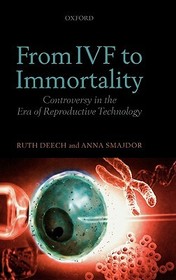
From IVF to Immortality
Controversy in the Era of Reproductive Technology
-
10% KEDVEZMÉNY?
- A kedvezmény csak az 'Értesítés a kedvenc témákról' hírlevelünk címzettjeinek rendeléseire érvényes.
- Kiadói listaár GBP 92.00
-
41 538 Ft (39 560 Ft + 5% áfa)
Az ár azért becsült, mert a rendelés pillanatában nem lehet pontosan tudni, hogy a beérkezéskor milyen lesz a forint árfolyama az adott termék eredeti devizájához képest. Ha a forint romlana, kissé többet, ha javulna, kissé kevesebbet kell majd fizetnie.
- Kedvezmény(ek) 10% (kb. 4 154 Ft)
- Kedvezményes ár 37 384 Ft (35 604 Ft + 5% áfa)
Iratkozzon fel most és részesüljön kedvezőbb árainkból!
Feliratkozom
41 538 Ft

Beszerezhetőség
Megrendelésre a kiadó utánnyomja a könyvet. Rendelhető, de a szokásosnál kicsit lassabban érkezik meg.
Why don't you give exact delivery time?
A beszerzés időigényét az eddigi tapasztalatokra alapozva adjuk meg. Azért becsült, mert a terméket külföldről hozzuk be, így a kiadó kiszolgálásának pillanatnyi gyorsaságától is függ. A megadottnál gyorsabb és lassabb szállítás is elképzelhető, de mindent megteszünk, hogy Ön a lehető leghamarabb jusson hozzá a termékhez.
A termék adatai:
- Kiadó OUP Oxford
- Megjelenés dátuma 2007. november 15.
- ISBN 9780199219780
- Kötéstípus Keménykötés
- Terjedelem248 oldal
- Méret 243x164x24 mm
- Súly 530 g
- Nyelv angol 0
Kategóriák
Rövid leírás:
This book provides a clear, simple account of techniques involved in assisted reproduction and embryo research. It thoughtfully and provocatively explores controversies raised by developments in reproductive technology since the first IVF baby in 1978, such as 'saviour siblings', designer babies, reproductive cloning and embryo research.
TöbbHosszú leírás:
This is a book for anyone who has ever paused to wonder: Will cloning ever be legal? Why it is that 'saviour siblings' and sex selection provoke such strong reactions? Will there ever be such a thing as an artificial womb?
Assisted reproductive technologies are unique in their capacity to challenge our assumptions and elicit passionate responses. Looking at the moral, philosophical, and legal issues surrounding cases of surrogacy, single or same-sex parenthood, retrieval of sperm from dead or dying patients, and the insemination of post-menopausal women, this book questions whether these rapidly-developing technologies are refashioning the nature of the family.
The UK has played a unique role in the development and regulation of reproductive technologies, and has been at the forefront of controversy over 'saviour siblings', designer babies, reproductive cloning, and embryo research. This book provides a clear and simple account of the techniques involved in assisted reproduction and embryo research, and discusses the legal and ethical implications of some of these technologies, illustrated by compelling descriptions of real-life cases. The book also addresses the ways in which reproductive technologies are regulated, critically examining the role of the Human Fertilisation and Embryology Authority and comparing the UK's approach with that of other countries. Finally, it contemplates the possibility that some of our most deeply-held assumptions about human nature may be called into question by further developments in stem cell research and fertility treatments.
Tartalomjegyzék:
Reproductive Technologies and the Birth of the HFEA
Ethics, Embryos, and Infertility
Saviour Siblings, Designer Babies, and Sex Selection
Fertility is a Feminist Issue
Private Lives and Public Policy: The Story of Diane Blood
Human Rights and Reproduction
Deconstructing the Family: The Welfare of the Child Clause
Embryonic Stem Cells and Therapeutic Cloning

