

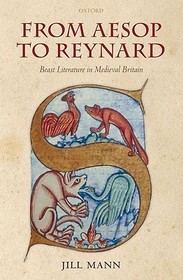
From Aesop to Reynard
Beast Literature in Medieval Britain
-
10% KEDVEZMÉNY?
- A kedvezmény csak az 'Értesítés a kedvenc témákról' hírlevelünk címzettjeinek rendeléseire érvényes.
- Kiadói listaár GBP 107.50
-
48 536 Ft (46 225 Ft + 5% áfa)
Az ár azért becsült, mert a rendelés pillanatában nem lehet pontosan tudni, hogy a beérkezéskor milyen lesz a forint árfolyama az adott termék eredeti devizájához képest. Ha a forint romlana, kissé többet, ha javulna, kissé kevesebbet kell majd fizetnie.
- Kedvezmény(ek) 10% (kb. 4 853 Ft)
- Kedvezményes ár 43 683 Ft (41 603 Ft + 5% áfa)
Iratkozzon fel most és részesüljön kedvezőbb árainkból!
Feliratkozom
48 536 Ft

Beszerezhetőség
Megrendelésre a kiadó utánnyomja a könyvet. Rendelhető, de a szokásosnál kicsit lassabban érkezik meg.
Why don't you give exact delivery time?
A beszerzés időigényét az eddigi tapasztalatokra alapozva adjuk meg. Azért becsült, mert a terméket külföldről hozzuk be, így a kiadó kiszolgálásának pillanatnyi gyorsaságától is függ. A megadottnál gyorsabb és lassabb szállítás is elképzelhető, de mindent megteszünk, hogy Ön a lehető leghamarabb jusson hozzá a termékhez.
A termék adatai:
- Kiadó OUP Oxford
- Megjelenés dátuma 2009. november 12.
- ISBN 9780199217687
- Kötéstípus Keménykötés
- Terjedelem394 oldal
- Méret 242x163x27 mm
- Súly 734 g
- Nyelv angol
- Illusztrációk Frontispiece 0
Kategóriák
Rövid leírás:
Bringing together material in English, French, and Latin,this book analyzes the shrewd perceptions about human life and language that emerge from beast narratives. Works discussed include the Speculum stultorum of Nigel of Longchamp, The Owl and the Nightingale, Chaucer's Parliament of Fowls, The Fox and the Wolf, and the Moral Fabillis of Robert Henryson.
TöbbHosszú leírás:
What do stories about animals have to tell us about human beings? This book analyzes the shrewd perceptions about human life - and especially human language - that emerge from narratives in which the main figures are 'talking animals'. Its guiding question is not 'what' but 'how' animals mean. Using this question to draw a clear distinction between beast fable and beast epic, it goes on to examine the complex variations of these forms that are to be found in the literature of medieval Britain, in English, French, Latin, and Scots. The range, variety, and brilliant inventiveness of this tradition are demonstrated in chapters on the fables of Marie de France, the Speculum stultorum of Nigel of Longchamp (the comic adventures of a donkey), the debate poem The Owl and the Nightingale, Chaucer's Parliament of Fowls and the tales of the Squire, Manciple and Nun's Priest, the Reynardian tale of The Fox and the Wolf, and the Moral Fabillis of Robert Henryson. English translations provided for all quotations make the works discussed accessible to the modern reader.
This is the book that medieval scholars have been hoping for... The command of context gives unique authority to Mann's account, and unique insight... fascinating throughout
Tartalomjegyzék:
Introduction
How Animals Mean
Marie de France: the Courtly Fable
Nigel of Longchamp: the Speculum stultorum
The Owl and the Nightingale
Chaucerian Birds
Reynard in England
Henryson: the Epicized Fable
Appendix 1: Suggested Identifications of Marie de France
Appendix 2: Narrative Summary of the Speculum stultorum
Appendix 3: The Epistle to William
Appendix 4: Gallus et vulpes
Bibliography

