

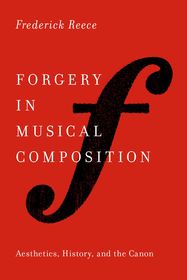
Forgery in Musical Composition
Aesthetics, History, and the Canon
-
10% KEDVEZMÉNY?
- A kedvezmény csak az 'Értesítés a kedvenc témákról' hírlevelünk címzettjeinek rendeléseire érvényes.
- Kiadói listaár GBP 64.00
-
28 896 Ft (27 520 Ft + 5% áfa)
Az ár azért becsült, mert a rendelés pillanatában nem lehet pontosan tudni, hogy a beérkezéskor milyen lesz a forint árfolyama az adott termék eredeti devizájához képest. Ha a forint romlana, kissé többet, ha javulna, kissé kevesebbet kell majd fizetnie.
- Kedvezmény(ek) 10% (cc. 2 890 Ft off)
- Kedvezményes ár 26 006 Ft (24 768 Ft + 5% áfa)
Iratkozzon fel most és részesüljön kedvezőbb árainkból!
Feliratkozom
28 896 Ft

Beszerezhetőség
Becsült beszerzési idő: A Prosperónál jelenleg nincsen raktáron, de a kiadónál igen. Beszerzés kb. 3-5 hét..
A Prosperónál jelenleg nincsen raktáron.
Why don't you give exact delivery time?
A beszerzés időigényét az eddigi tapasztalatokra alapozva adjuk meg. Azért becsült, mert a terméket külföldről hozzuk be, így a kiadó kiszolgálásának pillanatnyi gyorsaságától is függ. A megadottnál gyorsabb és lassabb szállítás is elképzelhető, de mindent megteszünk, hogy Ön a lehető leghamarabb jusson hozzá a termékhez.
A termék adatai:
- Kiadó OUP USA
- Megjelenés dátuma 2025. május 21.
- ISBN 9780197618301
- Kötéstípus Keménykötés
- Terjedelem256 oldal
- Méret 240x167x24 mm
- Súly 513 g
- Nyelv angol
- Illusztrációk 11 illustrations 589
Kategóriák
Rövid leírás:
Forgery in Musical Composition tells the fascinating history of forgery in classical music culture from the 1790s to the 1990s. The book exposes how and why musical counterfeits are made, casting new light on canonical composers such as Haydn, Mozart, and Schubert alongside prominent twentieth-century musicians like Fritz Kreisler and Glenn Gould. Drawing on a wealth of scores, primary sources, and interviews, the study ultimately suggests that confrontations with the reality of compositional forgery can help clarify concerns about authenticity, creativity, and the self which continue to shape musical culture in the present.
TöbbHosszú leírás:
We all know about art forgeries, but why write fake classical music? In Forgery in Musical Composition, Frederick Reece investigates the methods and motives of mysterious musicians who sign famous historical names like Haydn, Mozart, and Schubert to their own original works. Analyzing a series of genuinely fake sonatas, concertos, and symphonies in detail, Reece's study exposes the shadowy roles that forgeries have played in shaping perceptions of authenticity, creativity, and the self within classical music culture from the 1790s to the 1990s.
Holding a magnifying glass to a wide array of phony works, Forgery in Musical Composition explains how skillful fakers have succeeded in the past while also proposing active steps that scholars and musicians can take to better identify deceptive compositions in the future. Pursuing his topic from case to case, Reece observes that fake historical masterpieces have often seduced listeners not simply by imitating old works, but rather by mirroring modern cultural beliefs about innovation, identity, and meaning in music. Here forged compositions have important truths to tell us about knowing and valuing works of art precisely because they are not what they appear.
This book is suitable for academic music libraries.
Tartalomjegyzék:
List of Music Examples
List of Figures
List of Tables
Preface
Acknowledgments
Introduction: The Van Meegeren Syndrome
PART I. ROMANTIC CULTURES OF FORGERY, 1791-1945
1. Mozartian Swan Songs
2. Kreislerian Fantasies
PART II. MODERN CULTURES OF FORGERY, 1945-2000
3. Schubert's Untrue Symphony
4. Haydn's Missing Link
Epilogue
Bibliography
Index

