

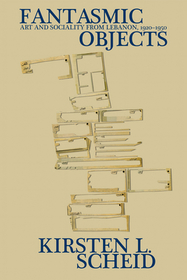
Fantasmic Objects – Art and Sociality from Lebanon, 1920–1950
Art and Sociality from Lebanon, 1920-1950
Sorozatcím: Public Cultures of the Middle East and North Africa;
-
10% KEDVEZMÉNY?
- A kedvezmény csak az 'Értesítés a kedvenc témákról' hírlevelünk címzettjeinek rendeléseire érvényes.
- Kiadói listaár GBP 26.99
-
12 894 Ft (12 280 Ft + 5% áfa)
Az ár azért becsült, mert a rendelés pillanatában nem lehet pontosan tudni, hogy a beérkezéskor milyen lesz a forint árfolyama az adott termék eredeti devizájához képest. Ha a forint romlana, kissé többet, ha javulna, kissé kevesebbet kell majd fizetnie.
- Kedvezmény(ek) 10% (cc. 1 289 Ft off)
- Kedvezményes ár 11 605 Ft (11 052 Ft + 5% áfa)
Iratkozzon fel most és részesüljön kedvezőbb árainkból!
Feliratkozom
12 894 Ft

Beszerezhetőség
Becsült beszerzési idő: A Prosperónál jelenleg nincsen raktáron, de a kiadónál igen. Beszerzés kb. 3-5 hét..
A Prosperónál jelenleg nincsen raktáron.
Why don't you give exact delivery time?
A beszerzés időigényét az eddigi tapasztalatokra alapozva adjuk meg. Azért becsült, mert a terméket külföldről hozzuk be, így a kiadó kiszolgálásának pillanatnyi gyorsaságától is függ. A megadottnál gyorsabb és lassabb szállítás is elképzelhető, de mindent megteszünk, hogy Ön a lehető leghamarabb jusson hozzá a termékhez.
A termék adatai:
- Kiadó MH – Indiana University Press
- Megjelenés dátuma 2022. december 6.
- Kötetek száma Print PDF
- ISBN 9780253064240
- Kötéstípus Puhakötés
- Terjedelem374 oldal
- Méret 228x152x22 mm
- Súly 754 g
- Nyelv angol
- Illusztrációk 21 color illus., 38 b&w illus. Illustrations, black & white 268
Kategóriák
Hosszú leírás:
In Lebanon, the study of modern art—rather than power or hierarchy—has compelled citizens to confront how they define themselves as a postcolonial nation.
In Fantasmic Objects, Kirsten L. Scheid offers a striking study of both modern art in Lebanon and modern Lebanon through art. By focusing on the careers of Moustapha Farrouk and Omar Onsi, forefathers of an iconic national repertoire, and their rebellious student Saloua Raouda Choucair, founder of an antirepresentational, participatory art, Scheid traces an emerging sense of what it means to be Lebanese through the evolution of new exhibition, pedagogical, and art-writing practices. She reveals that art and artists helped found the nation during French occupation, as the formal qualities and international exhibitions of nudes and landscapes in the 1930s crystallized notions of modern masculinity, patriotic femininity, non-sectarian religiosity, and citizenship.
Examining the efforts of painters, sculptors, and activists in Lebanon who fiercely upheld aesthetic development and battled for new forms of political being, Fantasmic Objects offers an insightful approach to the history and formation of modern Lebanon.

