

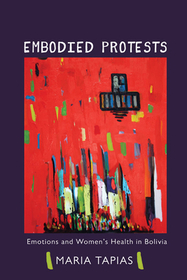
Embodied Protests – Emotions and Women`s Health in Bolivia
Emotions and Women's Health in Bolivia
Sorozatcím: Interp Culture New Millennium; 64;
-
10% KEDVEZMÉNY?
- A kedvezmény csak az 'Értesítés a kedvenc témákról' hírlevelünk címzettjeinek rendeléseire érvényes.
- Kiadói listaár GBP 20.99
-
10 027 Ft (9 550 Ft + 5% áfa)
Az ár azért becsült, mert a rendelés pillanatában nem lehet pontosan tudni, hogy a beérkezéskor milyen lesz a forint árfolyama az adott termék eredeti devizájához képest. Ha a forint romlana, kissé többet, ha javulna, kissé kevesebbet kell majd fizetnie.
- Kedvezmény(ek) 10% (cc. 1 003 Ft off)
- Kedvezményes ár 9 025 Ft (8 595 Ft + 5% áfa)
Iratkozzon fel most és részesüljön kedvezőbb árainkból!
Feliratkozom
10 027 Ft

Beszerezhetőség
A kiadónál átmenetileg nincs raktáron, ezért a szokásosnál (2-4 hét) többet kell várni a beszerzésre. Ez általában néhány hét plusz időt jelent.
Why don't you give exact delivery time?
A beszerzés időigényét az eddigi tapasztalatokra alapozva adjuk meg. Azért becsült, mert a terméket külföldről hozzuk be, így a kiadó kiszolgálásának pillanatnyi gyorsaságától is függ. A megadottnál gyorsabb és lassabb szállítás is elképzelhető, de mindent megteszünk, hogy Ön a lehető leghamarabb jusson hozzá a termékhez.
A termék adatai:
- Kiadás sorszáma 1st Edition
- Kiadó MO – University of Illinois Press
- Megjelenés dátuma 2015. június 15.
- Kötetek száma Paperback
- ISBN 9780252080746
- Kötéstípus Puhakötés
- Lásd még 9780252039171
- Terjedelem176 oldal
- Méret 229x152x18 mm
- Súly 286 g
- Nyelv angol
- Illusztrációk 4 black and white photographs, 1 map 0
Kategóriák
Hosszú leírás:
Embodied Protests examines how Bolivia's hesitant courtship with globalization manifested in the visceral and emotional diseases that afflicted many Bolivian women. Drawing on case studies conducted among market- and working-class women in the provincial town of Punata, Maria Tapias examines how headaches and debilidad, so-called normal bouts of infant diarrhea, and the malaise oppressing whole communities were symptomatic of profound social suffering. She approaches the narratives of distress caused by poverty, domestic violence, and the failure of social networks as constituting the knowledge that shaped their understandings of well-being. At the crux of Tapias's definitive analysis is the idea that individual health perceptions, actions, and practices cannot be separated from local cultural narratives or from global and economic forces.
Evocative and compassionate, Embodied Protests gives voice to the human costs of the ongoing neoliberal experiment.
Több
