

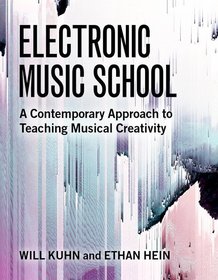
Electronic Music School
A Contemporary Approach to Teaching Musical Creativity
-
10% KEDVEZMÉNY?
- A kedvezmény csak az 'Értesítés a kedvenc témákról' hírlevelünk címzettjeinek rendeléseire érvényes.
- Kiadói listaár GBP 29.99
-
13 540 Ft (12 895 Ft + 5% áfa)
Az ár azért becsült, mert a rendelés pillanatában nem lehet pontosan tudni, hogy a beérkezéskor milyen lesz a forint árfolyama az adott termék eredeti devizájához képest. Ha a forint romlana, kissé többet, ha javulna, kissé kevesebbet kell majd fizetnie.
- Kedvezmény(ek) 10% (kb. 1 354 Ft)
- Kedvezményes ár 12 186 Ft (11 606 Ft + 5% áfa)
Iratkozzon fel most és részesüljön kedvezőbb árainkból!
Feliratkozom
13 540 Ft

Beszerezhetőség
Becsült beszerzési idő: A Prosperónál jelenleg nincsen raktáron, de a kiadónál igen. Beszerzés kb. 3-5 hét..
A Prosperónál jelenleg nincsen raktáron.
Why don't you give exact delivery time?
A beszerzés időigényét az eddigi tapasztalatokra alapozva adjuk meg. Azért becsült, mert a terméket külföldről hozzuk be, így a kiadó kiszolgálásának pillanatnyi gyorsaságától is függ. A megadottnál gyorsabb és lassabb szállítás is elképzelhető, de mindent megteszünk, hogy Ön a lehető leghamarabb jusson hozzá a termékhez.
A termék adatai:
- Kiadó OUP USA
- Megjelenés dátuma 2021. szeptember 29.
- ISBN 9780190076641
- Kötéstípus Puhakötés
- Terjedelem320 oldal
- Méret 213x277x15 mm
- Súly 862 g
- Nyelv angol 125
Kategóriák
Rövid leírás:
This book offers a new practical blueprint for teachers wanting to teach music technology to secondary age students. Authors and veteran music educators Will Kuhn and Ethan Hein give readers all the practical tools they need to open their own electronic music programs.
TöbbHosszú leírás:
Electronic Music School: A Contemporary Approach to Teaching Musical Creativity is a practical blueprint for teachers wanting to begin teaching music technology to secondary age students. Will Kuhn and Ethan Hein inspire classroom music teachers to expand beyond traditional ensemble-based music education offerings to create a culture of unique creativity and inclusivity at their schools.
Part One offers an overview of the philosophical and institutional aspects of starting a music technology program, with a particular focus on the culture of electronic music surrounding digital music creation tools. Part Two dives deep into curricula for music lab classes, including several lesson examples and techniques. This section also includes abbreviated project plans for teachers who have fewer contact hours with their students. Part Three discusses how music technology courses can grow into a larger media creation program, how such a program can contribute to the broader school culture, and how project-based music learning effectively prepares students for careers in media. Electronic Music School also includes narratives from music technology students themselves, who often have an intuitive understanding of the future directions music technology programs can take.
Featuring a creative workshop model that goes beyond our traditional music education pedagogy and curriculum, Kuhn & Ethan Hein shape new trends for music teachers to support their own students as successful electronic music makers in multiple settings. Whether learning in PK-12 settings, in school, at home or in the community, Electronic Music School is a must read guide for all worldwide.
Tartalomjegyzék:
Preface: The Music Class at the End of the World
Acknowledgements
To the Reader
Part One: What You Need to Start Your Own Electronic Music School
1. Towards a Creative Music Curriculum
2. An Art Class for Music
3. Understanding What a School Really Wants
4. Tech You'll Need For Your Program
5. Ableton Live And Push
Part Two: Creative Electronic Music Projects for the Masses
6. Designing Creative Music Projects for All Types of Students
7. Teaching Recording and Sampling with Audio Projects
8. Teaching Songwriting with MIDI Projects
9. Teaching Creativity with Outside-the-Box Projects
10. Common Issues For Students In Music Lab Lessons
11. Assessing Music Lab Projects
12. Futureproofing, Extending and Moving Beyond Music Lab Projects
Part Three: Community Music Culture and Extracurriculars
13. Live Performing and Afterschool Groups
14. Understanding Student Led Groups
15. Virtual Electronic Music School
16. A Rising Tide
Index

