

-
10% KEDVEZMÉNY?
- Kiadói listaár GBP 53.99
-
24 376 Ft (23 215 Ft + 5% áfa)
Az ár azért becsült, mert a rendelés pillanatában nem lehet pontosan tudni, hogy a beérkezéskor milyen lesz a forint árfolyama az adott termék eredeti devizájához képest. Ha a forint romlana, kissé többet, ha javulna, kissé kevesebbet kell majd fizetnie.
- Kedvezmény(ek) 10% (kb. 2 438 Ft)
- Kedvezményes ár 21 938 Ft (20 894 Ft + 5% áfa)
21 938 Ft

Beszerezhetőség
Becsült beszerzési idő: A Prosperónál jelenleg nincsen raktáron, de a kiadónál igen. Beszerzés kb. 3-5 hét..
A Prosperónál jelenleg nincsen raktáron.
Why don't you give exact delivery time?
A beszerzés időigényét az eddigi tapasztalatokra alapozva adjuk meg. Azért becsült, mert a terméket külföldről hozzuk be, így a kiadó kiszolgálásának pillanatnyi gyorsaságától is függ. A megadottnál gyorsabb és lassabb szállítás is elképzelhető, de mindent megteszünk, hogy Ön a lehető leghamarabb jusson hozzá a termékhez.
A termék adatai:
- Kiadás sorszáma 1
- Kiadó Routledge
- Megjelenés dátuma 2002. szeptember 30.
- Kötetek száma Paperback
- ISBN 9780202307138
- Kötéstípus Puhakötés
- Lásd még 9780202307121
- Terjedelem280 oldal
- Méret 229x152 mm
- Súly 340 g
- Nyelv angol 0
Kategóriák
Rövid leírás:
Drug courts offer offenders an intensive court-based treatment program as an alternative to the normal adjudication process
TöbbHosszú leírás:
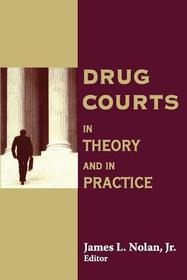
Drug courts offer offenders an intensive court-based treatment program as an alternative to the normal adjudication process. Begun in 1989, they have since spread dramatically throughout the United States. In this interdisciplinary examination of the expanding movement, a distinguished panel of legal practitioners and academics offers theoretical assessments and on-site empirical analyses of the workings of various courts in the United States, along with detailed comparisons and contrasts with related developments in Britain. Practitioners, politicians, and academics alike acknowledge the profound impact drug courts have had on the American criminal justice system. From a range of disciplinary perspectives, contributors to this volume seek to make sense of this important judicial innovation. While addressing a range of questions, Drug Courts also aims to achieve a careful balance between focused empirical studies and broader theoretical analyses of the same phenomenon. The volume maintains an analytical concentration on drug courts and on the important practical, philosophical, and jurisprudential consequences of this unique form of therapeutic jurisprudence.
Drug courts depart from the practices and procedures of typical criminal courts. Prosecutors and defense counsel play much-reduced roles. Often lawyers are not even present during regular drug court sessions. Instead, the main courtroom drama is between the judge and client, both of whom speak openly and freely in the drug court setting. Often accompanying the client is a treatment provider who advises the judge and reviews the client's progress in treatment. Court sessions are characterized by expressive and sometimes tearful testimonies about the recovery process, and are often punctuated with applause from those in attendance. Taken together, the chapters provide a variety of perspectives on drug courts, and extend our knowledge of the birth and evolution of a new movement. Drug Courts is an essential reference for courses in criminology, the sociology of drugs and deviance, and the philosophy of law and punishment.
TöbbTartalomjegyzék:
I: Empirical Explorations; 1: Theory and Practice in the Baltimore City Drug Treatment Court; 2: Systemic Constraints on the Implementation of a Northeastern Drug Court; 3: West Coast Drug Courts: Getting Offenders Morally Involved in the Criminal Justice Process; 4: The Denver Drug Court and Its Unintended Consequences; 5: Separated by an Uncommon Law: Drug Courts in Great Britain and America; II: Theoretical Assessments; 6: The Adversary System and Attorney Role in the Drug Treatment Court Movement; 7: Therapeutic Jurisprudence and Drug Treatment Courts: Integrating Law and Science; 8: Drug Treatment Courts: A Traditional Perspective; 9: The Drug Court Movement: An Analysis of Tacit Assumptions; 10: Drug Control and the Ascendancy of Britain’s Therapeutic Culture; 11: Drug Courts, the Judge, and the Rehabilitative Ideal
Több
