

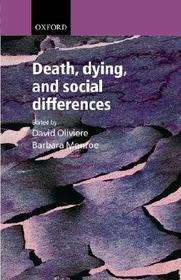
Death, Dying and Social Differences
-
10% KEDVEZMÉNY?
- A kedvezmény csak az 'Értesítés a kedvenc témákról' hírlevelünk címzettjeinek rendeléseire érvényes.
- Kiadói listaár GBP 39.99
-
18 055 Ft (17 195 Ft + 5% áfa)
Az ár azért becsült, mert a rendelés pillanatában nem lehet pontosan tudni, hogy a beérkezéskor milyen lesz a forint árfolyama az adott termék eredeti devizájához képest. Ha a forint romlana, kissé többet, ha javulna, kissé kevesebbet kell majd fizetnie.
- Kedvezmény(ek) 10% (kb. 1 806 Ft)
- Kedvezményes ár 16 249 Ft (15 476 Ft + 5% áfa)
Iratkozzon fel most és részesüljön kedvezőbb árainkból!
Feliratkozom
18 055 Ft

Beszerezhetőség
A kiadónál véglegesen elfogyott, nem rendelhető. Érdemes újra keresni a címmel, hátha van újabb kiadás.
Why don't you give exact delivery time?
A beszerzés időigényét az eddigi tapasztalatokra alapozva adjuk meg. Azért becsült, mert a terméket külföldről hozzuk be, így a kiadó kiszolgálásának pillanatnyi gyorsaságától is függ. A megadottnál gyorsabb és lassabb szállítás is elképzelhető, de mindent megteszünk, hogy Ön a lehető leghamarabb jusson hozzá a termékhez.
A termék adatai:
- Kiadó Oxford University Press
- Megjelenés dátuma 2004. szeptember 23.
- ISBN 9780198527756
- Kötéstípus Puhakötés
- Terjedelem220 oldal
- Méret 216x138x13 mm
- Súly 304 g
- Nyelv angol
- Illusztrációk 5 tables and 1 line drawing 0
Kategóriák
Rövid leírás:
This book covers the extent to which specialist palliative care services are accessible to different social groups and the ways of working with difference within such services. It brings together an international group of expert contributors from multi-disciplinary backgrounds to provide the knowledge, values and debate to help professionals work sensitively and respond effectively to the needs of different social groups. The editors have considerable experience working with the
dying and bereaved as practitioners, researchers and managers.
Hosszú leírás:
Death, Dying and Social Differences addresses the importance of care of dying people in their social context. It focuses on the much neglected area of the social aspects of death and dying. It highlights the key ways that health and social care professionals who provide end of life care can cater for those from a variety of social circumstances and communities. It speaks about best professional practice that can balance the inequalities in society's structures and what that
means for the dying and their carers.
A first of its kind, the twelve chapters by leaders in their fields, are aimed at clinicians and practitioners from all disciplines, policy-makers and managers who are committed to palliative and good end of life care for all. A multi-professional and case-based approach underpins the principles and practices of innovative care.
The book considers the differences in the palliative care of people with advanced cancer and other life threatening conditions, related to poverty, social class, gender, sexuality, age, ethnicity and religion, as well as the circumstances of patients and carers who have disabilities, experience psychiatric illness, are refugees, are subject to abuse or who are prisoners. It uncovers 'disadvantaged dying' and suggests appropriate responses.
The physical, spiritual, psychological and holistic aspects of care are largely shaped by and intertwined with a person's environment and social experiences. The book unpacks this essential ingredient of care of the very ill and bereaved and those close to them.
Although death can be a great leveller, it can also highlight great differences in the quality of the experience. This book offers a key to upholding maximum human dignity for dying people and those they leave behind.
. . . very useful to not only medical professionals but all those seeking quality end-of-life care for all.
Tartalomjegyzék:
Foreword
Introduction: working with death, dying and difference
Social class, poverty and social exclusion
Minority ethnic communities and religious groups
Sexual identity - gender and sexual orientation
Older people
Mental health needs
Disability
Abuse
Offenders
Refugees
Finances
Carers and caregivers

