

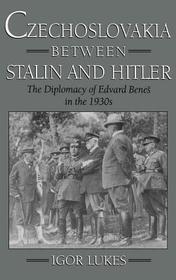
Czechoslovakia between Stalin and Hitler
The Diplomacy of Edvard Benes in the 1930s
-
10% KEDVEZMÉNY?
- A kedvezmény csak az 'Értesítés a kedvenc témákról' hírlevelünk címzettjeinek rendeléseire érvényes.
- Kiadói listaár GBP 217.50
-
98 201 Ft (93 525 Ft + 5% áfa)
Az ár azért becsült, mert a rendelés pillanatában nem lehet pontosan tudni, hogy a beérkezéskor milyen lesz a forint árfolyama az adott termék eredeti devizájához képest. Ha a forint romlana, kissé többet, ha javulna, kissé kevesebbet kell majd fizetnie.
- Kedvezmény(ek) 10% (kb. 9 820 Ft)
- Kedvezményes ár 88 381 Ft (84 173 Ft + 5% áfa)
Iratkozzon fel most és részesüljön kedvezőbb árainkból!
Feliratkozom
98 201 Ft

Beszerezhetőség
Megrendelésre a kiadó utánnyomja a könyvet. Rendelhető, de a szokásosnál kicsit lassabban érkezik meg.
Why don't you give exact delivery time?
A beszerzés időigényét az eddigi tapasztalatokra alapozva adjuk meg. Azért becsült, mert a terméket külföldről hozzuk be, így a kiadó kiszolgálásának pillanatnyi gyorsaságától is függ. A megadottnál gyorsabb és lassabb szállítás is elképzelhető, de mindent megteszünk, hogy Ön a lehető leghamarabb jusson hozzá a termékhez.
A termék adatai:
- Kiadó OUP USA
- Megjelenés dátuma 1996. szeptember 12.
- ISBN 9780195102666
- Kötéstípus Keménykötés
- Terjedelem352 oldal
- Méret 238x162x27 mm
- Súly 748 g
- Nyelv angol
- Illusztrációk 16 pp halftones 0
Kategóriák
Rövid leírás:
This is a diplomatic history of events leading up to the Munich crisis in 1938 in which Great Britain and France decided to appease Hitler's demands to annex the Sudetenland. While much has been written on this period, this book will be the most comprehensive to date and also the first to integrate a full understanding of the Czech role with wider events.
TöbbHosszú leírás:
This is a diplomatic history of events leading up to the Munich crisis in 1938 in which Great Britain and France decided to appease Hitler's demands to annex the Sudentenland. While much has been written on this period, Igor Lukes' study is the most comprehensive to date and also the first to integrate a full understanding of the Czech role with wider events.
The literature on the crisis leading to the Munich agreement of 1938 is immense. This book by Igor lukes is a useful addition primarily because of the author's extensive use of archives in Prague, including some hitherto either closed to research, utilized only by selected scholars adhering to the Communist Party line, or not considered at all. Lukes has combed them all with care.

