

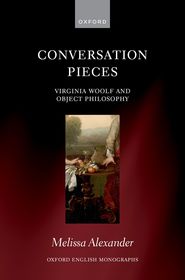
-
10% KEDVEZMÉNY?
- A kedvezmény csak az 'Értesítés a kedvenc témákról' hírlevelünk címzettjeinek rendeléseire érvényes.
- Kiadói listaár GBP 81.00
-
38 697 Ft (36 855 Ft + 5% áfa)
Az ár azért becsült, mert a rendelés pillanatában nem lehet pontosan tudni, hogy a beérkezéskor milyen lesz a forint árfolyama az adott termék eredeti devizájához képest. Ha a forint romlana, kissé többet, ha javulna, kissé kevesebbet kell majd fizetnie.
- Kedvezmény(ek) 10% (cc. 3 870 Ft off)
- Kedvezményes ár 34 828 Ft (33 170 Ft + 5% áfa)
Iratkozzon fel most és részesüljön kedvezőbb árainkból!
Feliratkozom
38 697 Ft

Beszerezhetőség
Még nem jelent meg, de rendelhető. A megjelenéstől számított néhány héten belül megérkezik.
Why don't you give exact delivery time?
A beszerzés időigényét az eddigi tapasztalatokra alapozva adjuk meg. Azért becsült, mert a terméket külföldről hozzuk be, így a kiadó kiszolgálásának pillanatnyi gyorsaságától is függ. A megadottnál gyorsabb és lassabb szállítás is elképzelhető, de mindent megteszünk, hogy Ön a lehető leghamarabb jusson hozzá a termékhez.
A termék adatai:
- Kiadó OUP Oxford
- Megjelenés dátuma 2026. április 23.
- ISBN 9780198990659
- Kötéstípus Keménykötés
- Terjedelem224 oldal
- Méret 234x156 mm
- Nyelv angol
- Illusztrációk 2 Figures 700
Kategóriák
Rövid leírás:
This book illuminates the extent to which the thought of modernist authors resonated with the affective legacy of philosophical empiricism. It explores the work of Virginia Woolf alongside the writings of Arnold Bennett, Walter Pater, Henri Bergson, and Leslie Stephen.
TöbbHosszú leírás:
Conversation Pieces sketches an object-oriented lineage for modernism, showing that Virginia Woolf's passion for objects was fuelled by her participation in a widespread conversation about philosophical empiricism's affective and aesthetic legacies--one involving a variety of eighteenth, nineteenth, and twentieth-century thinkers, such as David Hume, Leslie Stephen, Walter Pater, Vernon Lee, Henri Bergson, William James, G.E. Moore, and Bertrand Russell. While empiricism has been largely neglected by literary scholars, its view of objects powerfully shaped modernist sensibilities and aesthetics. Woolf's and other early-twentieth-century writers and philosophers' multifaceted responses to the evolving character of empiricist philosophy reveal that empiricism continued into the twentieth century as one of the most ubiquitous and vigorous elements energizing modern thought. However, modernism was also defined by an important departure from empiricism. While traditional empiricism had suggested that experience is profoundly circumscribed because we can only know our own sense impressions, many sought to radicalize empiricism by making the preliminary acceptance of mind-independent objects the necessary foundation for intersubjectivity and the acknowledgement of otherness.
Woolf describes the scene of shared attention to an object as an exemplary starting point for engaging with the complexities, contradictions, and tensions of living in a more-than-human world. As writers continually turned to the object for its promise of a conversable world, the conversation piece came to encapsulate modern aspirations for relationality.

