

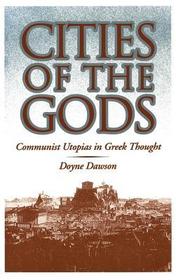
Cities of the Gods
Communist Utopias in Greek Thought
-
10% KEDVEZMÉNY?
- A kedvezmény csak az 'Értesítés a kedvenc témákról' hírlevelünk címzettjeinek rendeléseire érvényes.
- Kiadói listaár GBP 195.00
-
88 042 Ft (83 850 Ft + 5% áfa)
Az ár azért becsült, mert a rendelés pillanatában nem lehet pontosan tudni, hogy a beérkezéskor milyen lesz a forint árfolyama az adott termék eredeti devizájához képest. Ha a forint romlana, kissé többet, ha javulna, kissé kevesebbet kell majd fizetnie.
- Kedvezmény(ek) 10% (kb. 8 804 Ft)
- Kedvezményes ár 79 238 Ft (75 465 Ft + 5% áfa)
Iratkozzon fel most és részesüljön kedvezőbb árainkból!
Feliratkozom
88 042 Ft

Beszerezhetőség
Megrendelésre a kiadó utánnyomja a könyvet. Rendelhető, de a szokásosnál kicsit lassabban érkezik meg.
Why don't you give exact delivery time?
A beszerzés időigényét az eddigi tapasztalatokra alapozva adjuk meg. Azért becsült, mert a terméket külföldről hozzuk be, így a kiadó kiszolgálásának pillanatnyi gyorsaságától is függ. A megadottnál gyorsabb és lassabb szállítás is elképzelhető, de mindent megteszünk, hogy Ön a lehető leghamarabb jusson hozzá a termékhez.
A termék adatai:
- Kiadó OUP USA
- Megjelenés dátuma 1992. szeptember 3.
- ISBN 9780195069839
- Kötéstípus Keménykötés
- Terjedelem320 oldal
- Méret 236x162x25 mm
- Súly 658 g
- Nyelv angol
- Illusztrációk line illustrations 0
Kategóriák
Hosszú leírás:
Cities of the Gods is a historical study of the theory of Utopian communism in ancient Greek thought, identifying and assessing its several currents. The author looks at the reason for the decline of the Utopian traditions after c. 150 BC and suggests that the main factor was the Roman conquest of the Greek world, which produced a more conservative intellectual climate. He concludes by looking at the evidence for the survival of utopian traditions, particularly their influence on early Christianity.
`This is a most welcome book on a subject of great interest ... Altogether, this is an admirable study, in which much out-of-the-way material is brought together, and discussed with great good sense and some humour ... an admirable achievement'
John Dillon, Trinity College, Dublin

